Why Are German Shepherds Police Dogs?
German Shepherds are favored for police work primarily due to their high intelligence, willingness to work, and unique physical attributes. These traits make…
Why are German shepherds police dogs?
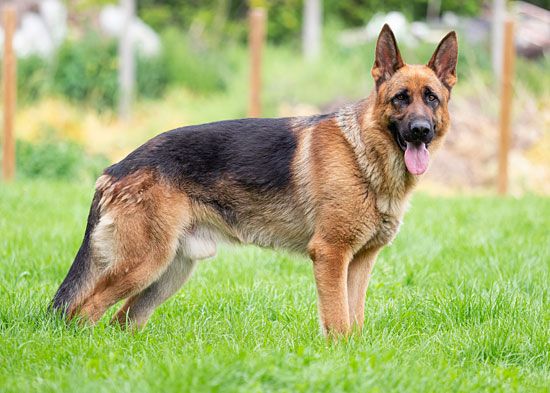
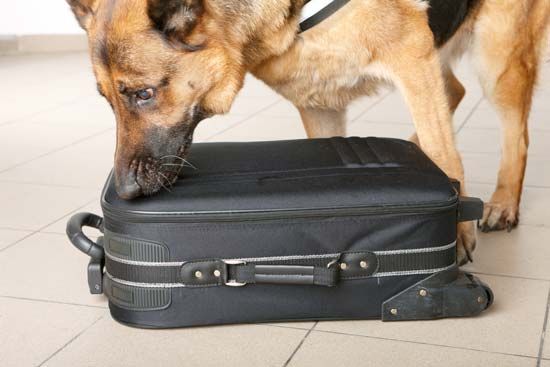
German Shepherds are favored for police work primarily due to their high intelligence, willingness to work, and unique physical attributes. These traits make them exceptionally well-suited for the rigorous training required for patrol duties, such as tracking fugitives, search and rescue operations, and the detection of illegal drugs and explosives.12
Physically, the breed is large, strong, and athletic, allowing them to handle demanding tasks like apprehending suspects or navigating challenging terrain. Their keen sense of smell is a critical asset for detection work, while their protective nature and alertness make them reliable partners for police officers.13
Developed in Germany as a working breed, they possess a temperament that is both vigilant and loyal. While other breeds are sometimes utilized in law enforcement, the German Shepherd remains the most widely trained dog for regular patrol work. Because of their strong protective instincts, they require consistent, firm training to ensure their behavior is appropriately directed.23
What other dog breeds are commonly used for police work?
While the German Shepherd is the most widely trained breed for regular patrol work, several other dog breeds are utilized by law enforcement for their specific physical and sensory capabilities.4
Breeds Used in Law Enforcement
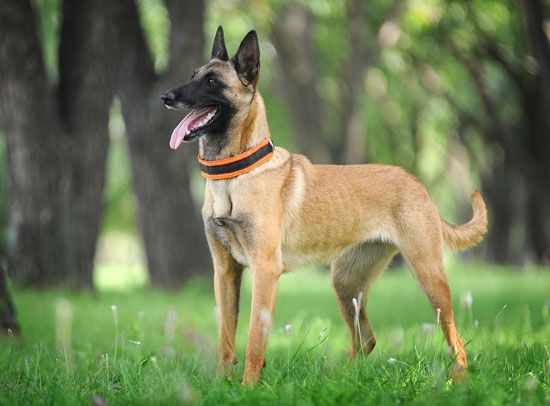
- Belgian Malinois: Highly valued by police and military units for their exceptional strength, stamina, and loyalty. They are frequently used for protection and patrol duties.1
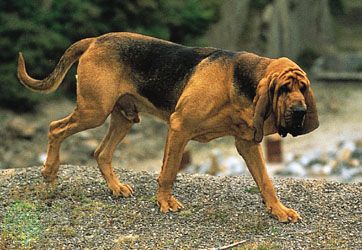
- Bloodhounds: Renowned for their superior sense of smell, which is the highest among all dog breeds. They are primarily used for tracking fugitives and search-and-rescue operations over vast distances.5
- Labrador Retrievers: Often employed for their intelligence and work ethic, particularly in detection tasks such as locating illegal drugs and explosives, as well as in search-and-rescue missions.2
- Other Breeds: Depending on the specific requirements of the department, breeds such as Boxers, Doberman Pinschers, Airedale Terriers, Rottweilers, and Schnauzers are also sometimes used.4
For detection work, a dog’s olfactory sensitivity is often more critical than its physical size. Regardless of the breed, all police dogs must undergo rigorous training and meet strict criteria regarding their temperament and physical characteristics to ensure they can perform their duties safely and effectively.4
How are police dogs trained to detect illegal substances?
Police dogs are trained to detect illegal substances by leveraging their superior olfactory sensitivity, a process that focuses on teaching the animal to associate specific odors with a reward. While the size of the dog is less critical for detection tasks than it is for patrol work, the animals must meet rigorous criteria regarding their temperament and physical health to ensure they can perform effectively.2
Training methods for detection dogs are highly structured and often serve as the foundation for various nose work and tracking competitions. During training, dogs are taught to conduct systematic searches across different environments, including:
- External and internal searches: Scanning buildings or open areas.
- Vehicle searches: Inspecting the exterior and interior of automobiles.
- Container searches: Identifying specific scents hidden within various objects.7
The training emphasizes the dog’s ability to locate a target odor—such as those found in illicit substances—within a set timeframe. By mastering these search patterns, the dogs become reliable tools for law enforcement in identifying hidden caches of contraband.27
What is the history of using dogs in military roles?
Throughout history, dogs have served in various military capacities, evolving from ancient roles as guardians to specialized assets on the modern battlefield. While dogs have been domesticated for thousands of years, their integration into organized military structures became particularly prominent during the 20th century.
Roles in Conflict
During World War I, the need for reliable communication in the face of intense artillery fire led armies to utilize dogs as messengers. These animals were capable of navigating difficult terrain where traditional wire-based communication systems often failed. The German army, in particular, developed highly efficient messenger dog programs.
Beyond communication, dogs served in several critical functions:
- Detection: Some dogs, such as the famous Sergeant Stubby, were trained to detect the presence of poisonous gases like mustard gas, alerting soldiers to put on protective gear.
- Search and Rescue: Dogs were used to locate wounded soldiers in fields between trenches, with their barks alerting searchers to those in need of medical attention.
- Guard Duty: Dogs were employed to secure camps and identify unauthorized individuals, including enemy spies.
Legacy and Recognition
The service of these animals often transcended their tactical utility, as they frequently became mascots that boosted troop morale. Sergeant Stubby, a stray who served with the 102nd Infantry, became a national hero and the first dog to be promoted to the rank of sergeant in the U.S. Army. His story highlights the deep bond formed between soldiers and their canine counterparts during wartime.
Sources
- Why are German shepherds police dogs? — Encyclopædia Britannica
- police - Police dogs — Encyclopædia Britannica
- German Shepherd — Encyclopædia Britannica
- Why are bloodhounds used as police dogs? — Encyclopædia Britannica
- Belgian Malinois — Encyclopædia Britannica
- Labrador Retriever — Encyclopædia Britannica
- dog sports - Nose work (scent work) and tracking — Encyclopædia Britannica
- dog - Role in human societies — Encyclopædia Britannica
- Sergeant Stubby — Encyclopædia Britannica
- war dog — Merriam-Webster
- military communication - From World War I to 1940 — Encyclopædia Britannica
Published on · 4 min read