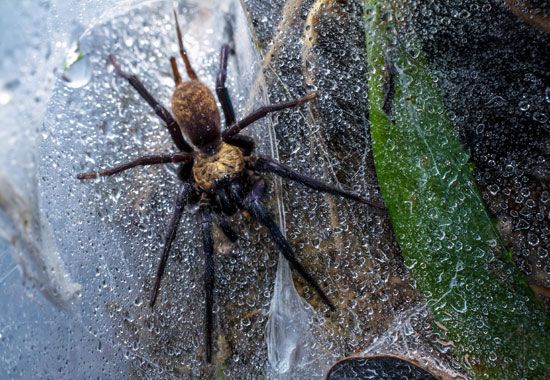
Why Are People Afraid of Spiders?
Fear of spiders is a complex response rooted in a mix of evolutionary, genetic, psychological, and social factors. From an evolutionary perspective, humans…
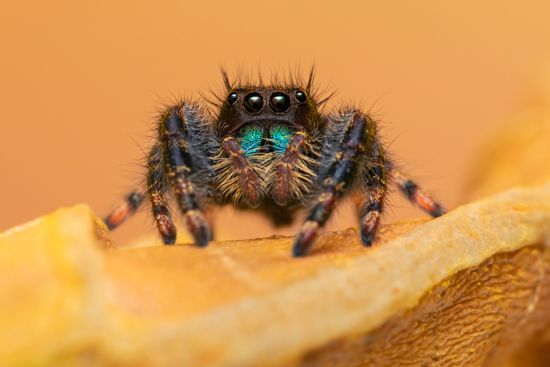
Why are people afraid of spiders?
Fear of spiders is a complex response rooted in a mix of evolutionary, genetic, psychological, and social factors. From an evolutionary perspective, humans may have developed a cautious instinct toward these creatures as a survival mechanism to avoid potential venomous bites, even though only a tiny fraction of the world’s 46,000+ species are actually harmful to humans.12
Cultural portrayals often reinforce this fear, while personal experiences—such as a past traumatic encounter or observing a family member’s anxiety—can trigger the development of arachnophobia. This extreme, irrational fear is classified as an anxiety disorder when it significantly interferes with daily life, often causing physical symptoms like rapid heartbeat, sweating, and dizziness due to hyperactivity in the amygdala.12
While severe cases may require cognitive behavior therapy or exposure therapy, a general dislike of spiders can often be managed through curiosity and learning about these organisms.12
What are some other common phobias?
Phobias are classified as anxiety disorders characterized by an extreme, irrational fear of a specific object or situation that leads to avoidance behaviors. While there are hundreds of named phobias, they are generally categorized by the specific stimulus involved.3
Common examples include:
- Acrophobia: An intense fear of high places.3
- Claustrophobia: A fear of being in closed or confined spaces.3
- Agoraphobia: A debilitating fear of being in open, public, or unfamiliar places where escape might be difficult or help unavailable.34
- Xenophobia: A fear of strangers or those perceived as foreign.3
- Zoophobia: A general term for the fear of animals.3
- Nyctophobia: A fear of the dark.3
- Ochlophobia: A fear of crowds.3
- Phobophobia: An unusual fear of developing a phobia itself.5
These conditions are often treated through behaviour therapy, specifically cognitive behavioral therapy, which uses gradual exposure to desensitize individuals to their fears.34
How does the amygdala control our fear responses?
The amygdala is a small, almond-shaped structure in the brain’s limbic system that serves as a critical hub for processing emotions, particularly fear. It controls fear responses through a complex network of sensory input, internal processing, and physiological output.910
How the Amygdala Processes Fear
- Threat Detection: The amygdala receives sensory information from various parts of the brain, allowing it to evaluate the emotional significance of stimuli. When a potential threat is identified, the amygdala activates to initiate a defensive state.910
- Conditioning: Through Pavlovian conditioning, the amygdala learns to associate neutral stimuli with aversive experiences. Once this learning occurs, the amygdala can trigger fear responses even in the absence of an immediate physical threat.911
- Physiological Activation: Upon detecting a threat, the amygdala signals the hypothalamus to initiate the fight-or-flight response. This triggers the adrenal glands to release adrenaline, which increases heart rate and breathing to prepare the body for action.1110
- Regulation: The prefrontal cortex interacts with the amygdala to provide cognitive control, helping to regulate or “extinguish” fear responses when they are no longer adaptive.911
What are some ways to overcome a specific phobia?
Overcoming a specific phobia typically involves cognitive behavior therapy (CBT), which focuses on changing negative thought patterns and modifying avoidance behaviors. The most effective method within this framework is exposure therapy, which requires individuals to confront their feared objects or situations in a controlled, safe manner until the associated anxiety diminishes.12132
Key strategies include:
- Exposure Techniques: This involves repeated, prolonged contact with the feared stimulus. It can be gradual (progressing through a “fear hierarchy” of increasingly difficult situations), imaginal (visualizing the fear), or virtual reality-based.21413
- Cognitive Restructuring: Therapists help individuals identify and challenge irrational thoughts, replacing them with more balanced interpretations.13
- Relaxation Training: Techniques such as meditation, progressive muscle relaxation, and breathing exercises are used to manage physical symptoms of anxiety.1513
- Behavioral Experiments: Testing the validity of negative assumptions by intentionally engaging in feared situations to observe that the consequences are often less severe than anticipated.13
These treatments can be conducted with a professional or, in many cases, through self-help manuals. Would you like to explore the differences between specific exposure methods like flooding and systematic desensitization?2
Sources
- Why are people afraid of spiders? — Encyclopædia Britannica
- arachnophobia — Encyclopædia Britannica
- phobia — Encyclopædia Britannica
- agoraphobia — Encyclopædia Britannica
- social anxiety disorder — Encyclopædia Britannica
- phobia — Merriam-Webster
- phobias — Merriam-Webster
- 14 Phobias You Probably Haven't Heard Of | Phobophobia — Merriam-Webster
- amygdala — Encyclopædia Britannica
- limbic system - How the limbic system affects health and well-being — Encyclopædia Britannica
- limbic system - Components of the limbic system — Encyclopædia Britannica
- mental disorder - Behavioral psychotherapy — Encyclopædia Britannica
- exposure therapy — Encyclopædia Britannica
- cognitive behavior therapy — Encyclopædia Britannica
- cognitive behavior therapy - Therapeutic techniques and strategies — Encyclopædia Britannica
Published on · 3 min read