Why Do Cats Hate Water?
It is a common misconception that all cats hate water. While many domestic felines avoid getting wet, some breeds, such as the Maine Coon and Turkish Van…
Why Do Cats Hate Water?
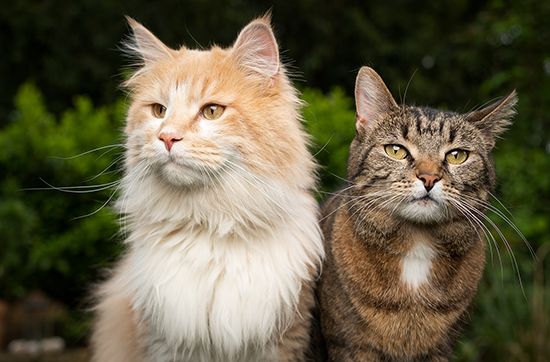
It is a common misconception that all cats hate water. While many domestic felines avoid getting wet, some breeds, such as the Maine Coon and Turkish Van, are known to enjoy swimming due to their water-resistant fur.1
For those that do avoid water, behaviorists suggest several reasons:
- Fur Maintenance: Cats are fastidious groomers. Wet fur is uncomfortable, heavy, and slow to dry, which hinders a cat’s agility and makes them more vulnerable to predators.1
- Evolutionary History: Because the species evolved in dry climates, they may simply lack familiarity with large bodies of water.1
- Shock: A negative experience, such as accidentally falling into a bathtub, can create a lasting fear of water.1
Interestingly, many water-averse cats are still drawn to running water, such as a dripping faucet. This behavior is likely driven by their instinct to hunt, as the movement and sound of the water stimulate their predatory drive without requiring them to get fully wet.1
Which cat breeds are known for enjoying water?
While many domestic cats typically avoid water, certain breeds are known for their affinity for swimming. These cats possess unique fur textures that provide greater water resistance compared to other breeds, allowing them to remain comfortable even when wet.1
The following domestic cat breeds are recognized for being less fearful of water and often enjoying a swim:
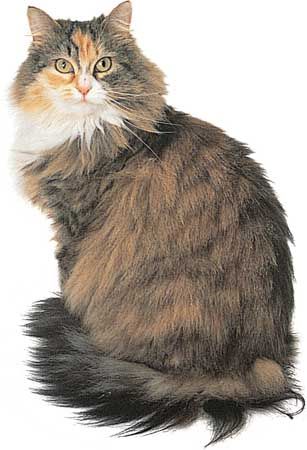
- Maine Coon: Known for their large size and robust build, these cats have a thick, water-resistant overcoat and an insulating undercoat that helped their ancestors survive in harsh, cold climates.12
- Bengal: This breed is noted for its willingness to engage with water and its generally adventurous temperament.1
- Turkish Van: Often referred to as the “swimming cat,” this breed is well-known for its unusual fondness for water and its ability to swim.1
How does a cat’s fur texture affect its water resistance?
A cat’s ability to resist water is largely determined by the structure of its coat, which consists of three distinct hair types: guard, awn, and down hairs.1
The guard hairs are the most critical for water resistance. These are long, stiff hairs that form the top layer of the coat, acting as a protective barrier that helps keep the cat dry. In contrast, the secondary hairs—the awn and down hairs—make up the undercoat. While these provide insulation, they are finer and more prone to matting.1
For most domestic cats, wet fur is a significant disadvantage because it becomes heavy and takes a long time to dry, which reduces their agility and makes them more vulnerable to predators. However, certain breeds like the Maine Coon and Turkish Van possess unique fur textures that are inherently more water-resistant than those of other breeds, allowing them to remain comfortable and nimble even when wet.3
We could dive deeper into how different coat types, such as those found in the Sphynx or Devon Rex, compare in terms of maintenance and protection.
Why do cats enjoy playing with running water?
While many domestic cats generally avoid water due to the discomfort of wet fur, they are often fascinated by running or dripping water, such as from a faucet. Behaviorists suggest that this interest is driven by the cat’s natural predatory instincts. The movement of the water and the sounds it produces stimulate a cat’s drive to hunt and catch prey.1
This type of play is often appealing even to cats that are otherwise averse to water because it allows them to interact with the stream while keeping most of their body dry, as only their paws typically get wet. By engaging with the moving water, cats satisfy their curiosity and fulfill a need for mental and physical stimulation, much like they do when exploring other objects in their environment.14
Sources
- Why Do Cats Hate Water? — Encyclopædia Britannica
- Why are Maine Coon cats so big? — Encyclopædia Britannica
- cat - Skin and hair — Encyclopædia Britannica
- Why do cats like boxes? — Encyclopædia Britannica
- Movement perception - Auditory — Encyclopædia Britannica
Published on · 3 min read