Why Do Cats Like Boxes?
Cats are naturally drawn to boxes for several instinctual and physical reasons:
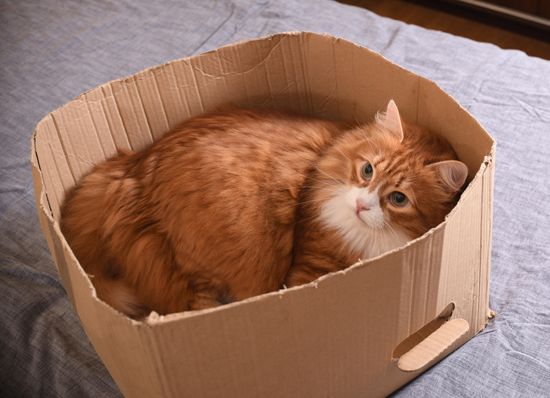
Why do cats like boxes?
Cats are naturally drawn to boxes for several instinctual and physical reasons:
- Security and Protection: As a survival instinct, cats seek out small, confined spaces to hide from potential predators or to ambush prey. A box provides a safe vantage point where they can observe their surroundings while remaining hidden.1
- Stress Relief: Boxes serve as a sanctuary during stressful or unfamiliar situations. Retreating into a box allows a cat to regain a sense of control and reduce anxiety, particularly during conflicts with other pets.1
- Warmth: Cats prefer temperatures between 86–97℉ (30–36℃). Cardboard acts as an effective insulator, helping the cat retain body heat and stay cozy.1
- Play and Stimulation: Boxes satisfy a cat’s natural curiosity. They provide a versatile environment for jumping, scratching, and hiding, which offers essential mental and physical stimulation.1
Why do cats have whiskers and how do they help them navigate?
Cats possess whiskers, or vibrissae, which are specialized, stiff hairs that function as highly sensitive touch receptors. These are located on the face and the back of the forelegs, serving as vital tools for navigation and survival.4
Whiskers help cats navigate by detecting subtle changes in their environment, including vibrations and the presence of nearby objects. Because cats are crepuscular—most active during dawn and dusk—these sensors allow them to move through their surroundings without colliding with obstacles, even in conditions of low light or complete darkness.4
Beyond navigation, whiskers are essential for hunting and communication. By moving their facial whiskers forward, cats signal curiosity or hunting intent, while pulling them back against the face typically indicates fear or aggression.4
What is the purpose of a cat’s purring?
While purring is commonly associated with contentment, it serves several purposes beyond expressing happiness.
- Communication: Purring begins in infancy as a form of animal communication between a mother cat and her kittens, signaling that the young are nursing well and are happy. Adult cats continue to use it as a friendly greeting or to express satisfaction when being petted.56
- Self-Soothing: Cats also purr when they are frightened, in pain, or sick. In these stressful circumstances, the act may serve as a self-soothing mechanism, similar to how humans might hum to calm themselves.6
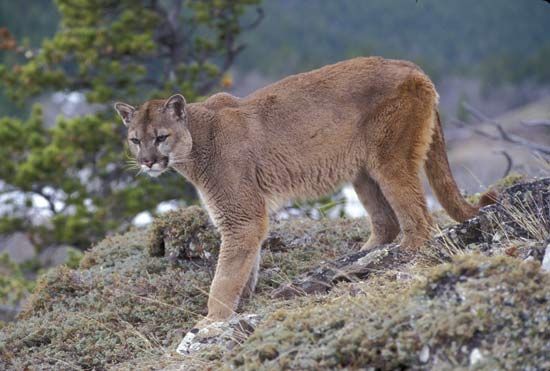
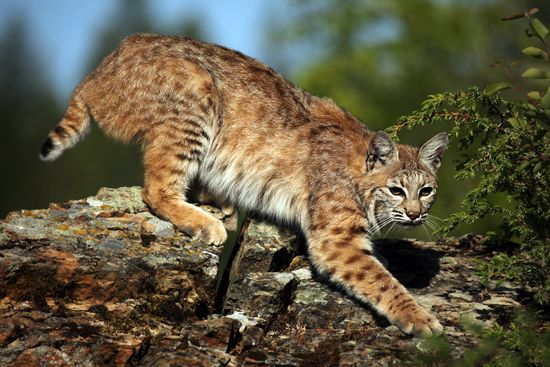
The sound is produced by the vibration of vocal cords at low frequencies, though the exact mechanism is still debated among scientists. Some theories suggest it involves the laryngeal muscles in the throat, while others propose it results from blood flow vibrations in the chest. This ability is found in the Felinae subfamily, such as cougars and bobcats, but not in roaring cats like lions or tigers/animal/lion) or tigers.56
Why do cats rub against their owners’ legs?
When a cat rubs against your legs, it is primarily engaging in a form of communication and marking behavior. This action serves several purposes:
- Scent Marking: Cats have scent glands located around their head, the base of their tail, and the underside of their paws. By rubbing against you, they transfer their personal scent to mark you as part of their social group or territory. This is a natural instinct that reinforces their bond with you as a trusted companion.78
- Affection and Greeting: This behavior often functions as a friendly greeting or a sign of affection, helping to strengthen the relationship between the cat and its owner.7
- Attention Seeking: Cats are observant creatures and may rub against your legs to communicate specific needs or desires. Whether they are looking to be fed, want to play, or simply desire attention, they use this physical contact—often accompanied by meowing or purring—to ensure they are noticed.7
Sources
- Why do cats like boxes? — Encyclopædia Britannica
- cats as pets - Behavior problems — Encyclopædia Britannica
- 100+ Animal Fun Facts and Trivia Questions - Cats — Encyclopædia Britannica
- Why do cats have whiskers? — Encyclopædia Britannica
- 16 Questions About Pets Answered - Why does my cat purr? — Encyclopædia Britannica
- Why do cats purr? — Encyclopædia Britannica
- Why do cats rub against your legs? — Encyclopædia Britannica
- cat - Body language and communication — Encyclopædia Britannica
- Why do cats open their mouths after smelling something? — Encyclopædia Britannica
Published on · 3 min read