Feline
Felines utilize a sophisticated combination of body language, vocalizations, and chemical signals to communicate with other cats and species.
How do felines communicate with each other and with other species?
Felines utilize a sophisticated combination of body language, vocalizations, and chemical signals to communicate with other cats and species.
Body Language
Cats convey intent through posture and movement. An erect tail signals a friendly greeting, while an arched back and bristled fur indicate fear or aggression to appear larger. Conversely, crouching can signal submission or predatory focus, depending on ear and whisker position. Tail movements are also key: swishing often indicates anger, while twitching may signal mild irritation.1
Vocal Communication
Cats use various sounds to express needs or warnings. Common vocalizations include:
- Meowing: Used as a greeting or plea for attention.2
- Purring: Generally signifies contentment, though it can also indicate distress or pain.2
- Warning sounds: Hissing, spitting, and growling serve as defensive signals when a cat feels threatened.2
- Yowling/Caterwauling: Often used as a demand or a mating call.2
Chemical Communication
Cats rely heavily on chemical communication via pheromones. They mark territory by rubbing scent glands on objects or through spraying. Additionally, the flehmen response—where a cat curls its lip to direct scents to the Jacobson’s organ—allows them to interpret complex social and environmental cues.13
What are some unique behaviors or traits found in specific feline species?
Feline species exhibit a wide array of specialized behaviors and physical traits adapted to their specific environments and ecological niches.
Social and Hunting Behaviors
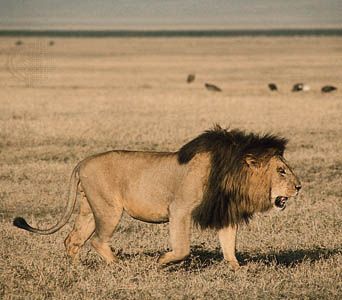
- Lions: Unlike most other cats, lions are highly gregarious, living in social groups called prides. This group structure allows them to hunt more effectively and defend their territory and cubs.56
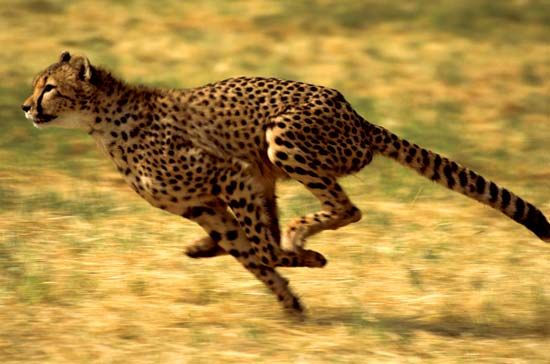
- Cheetahs: Known as the fastest land animals, cheetahs rely on bursts of speed to hunt in open savannas. Unlike the solitary nature of many big cats, male cheetahs often live in small groups of two to three.7
- Leopards: These cats are masters of stealth and strength. They are agile climbers and frequently drag their kills into trees to protect them from scavengers.7
- Saber-toothed cats: Extinct members of the genus Smilodon were built with powerful forelimbs adapted for grappling and subduing large Ice Age herbivores, rather than the high-speed pursuit seen in modern tigers.8
Unique Dietary and Physical Adaptations
- Fishing Cats: Found in Southeast Asia, these cats have adapted to a semi-aquatic lifestyle, feeding primarily on fish and mollusks by scooping them out of the water.9106
- Flat-headed cats: This species is unique among felines for its diet, as it is the only cat known to consume vegetation, such as fruit and sweet potatoes, in addition to its regular prey.6
- Snow Leopards: To survive in harsh, high-altitude mountain environments, snow leopards possess physical adaptations like broad paws, small rounded ears, and large nasal cavities designed to warm cold air before it enters their lungs.11
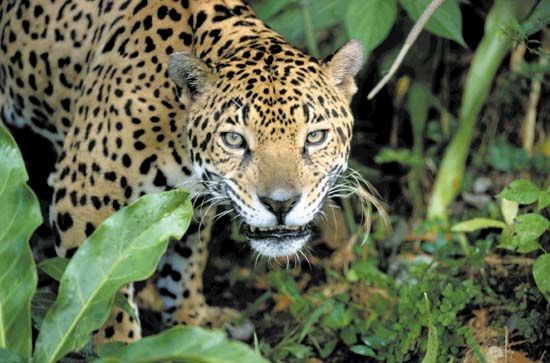
How many species of felines exist, and what are some examples of wild cats?
There are 37 recognized species in the family Felidae, which are categorized into 18 genera and three subfamilies. These cats are found worldwide, with the exception of Antarctica, though they have been introduced to Australia.14
Classification and Examples
The family is divided into the following subfamilies:
- Subfamily Felinae (29 species): This group includes most of the smaller cat species. Examples include the wildcat, bobcat, ocelot, serval, puma, and Pallas’s cat.14
- Subfamily Pantherinae (7 species): Often referred to as the “big” or “roaring” cats, this group includes the jaguar, lion, leopard, tiger, clouded leopard, and snow leopard14.
- Subfamily Acinonychinae (1 species): This subfamily consists exclusively of the cheetah.14
While many of these species are solitary hunters, they exhibit diverse adaptations, such as the semi-aquatic lifestyle of the fishing cat or the social structure of lion prides.1415
How have felines been portrayed in various cultures and mythologies throughout history?
Felines have held a complex and varied place in human culture and mythology for millennia, often shifting between symbols of divinity and objects of fear.
Ancient Reverence and Divinity
In ancient Egypt, cats were cherished as divine protectors and talismans of good fortune. They were associated with the cat-headed goddess Bastet, and their cultural importance is evidenced by the thousands of cat mummies discovered by archaeologists. Similarly, in Norse mythology, the goddess Freyja was depicted traveling in a chariot pulled by two large cats. In Hindu mythology, the tiger serves as the vahana (vehicle) of the goddess Durga.17181920
Superstition and Folklore
The perception of felines has not always been positive. During the Middle Ages in Europe, cats were often feared as agents of the devil and associated with witchcraft, leading to their mistreatment. This duality persists in modern superstitions; while a black cat is often considered an omen of bad luck in many Western cultures, it is viewed as a symbol of good fortune in Japan. The maneki-neko (“beckoning cat”) remains a popular Japanese symbol of prosperity.2118
Cultural Legacy
Beyond mythology, felines have been prominent in literature and art, from Aesop’s fables to the works of Rudyard Kipling and T.S. Eliot. Tigers, in particular, have inspired awe for centuries, appearing in Asian art and lore as powerful symbols, even as their parts have been erroneously sought for traditional medicines and talismans.1820
Sources
- cat - Body language and communication — Encyclopædia Britannica
- cat - Vocal communication — Encyclopædia Britannica
- Why do cats open their mouths after smelling something? — Encyclopædia Britannica
- pheromone — Encyclopædia Britannica
- Are Cheetahs Cats or Dogs? — Encyclopædia Britannica
- What’s the difference between a cheetah and a leopard? — Encyclopædia Britannica
- Encyclopædia Britannica First Edition: Cats — Encyclopædia Britannica
- Snow leopard — Encyclopædia Britannica
- fishing cat — Encyclopædia Britannica
- fishing cat — Merriam-Webster
- How big were saber-toothed cats compared to tigers? — Encyclopædia Britannica
- lion - Prides — Encyclopædia Britannica
- feline - Natural history — Encyclopædia Britannica
- feline - Evolution and classification — Encyclopædia Britannica
- wildcat — Encyclopædia Britannica
- lynx — Encyclopædia Britannica
- Did you know? — Merriam-Webster
- cat - Domestication — Encyclopædia Britannica
- tiger - Tigers and humans — Encyclopædia Britannica
- Vikings Helped Cats Conquer the World — Encyclopædia Britannica
- cat - Associations with human culture — Encyclopædia Britannica
Published on · 4 min read