Why Do Cats Purr?
Animal specialists believe that cats primarily purr to express contentment, a behavior that begins in infancy as a form of communication between a mother and…
Why do cats purr?
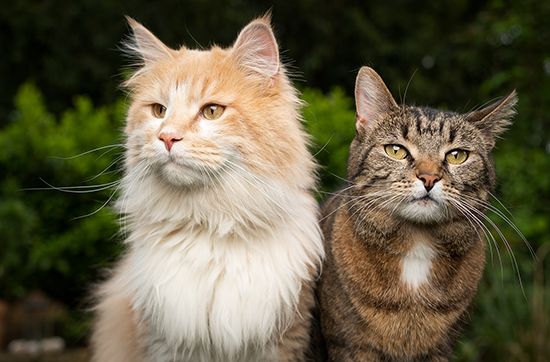
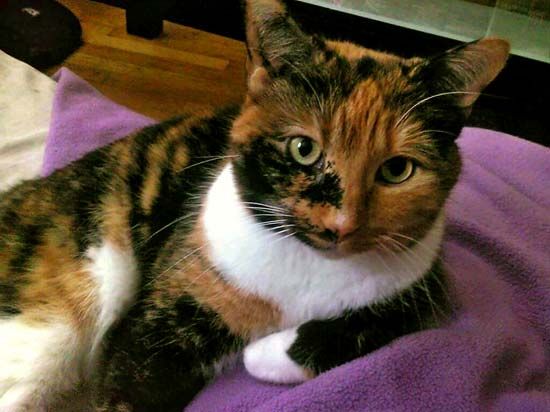
Animal specialists believe that cats primarily purr to express contentment, a behavior that begins in infancy as a form of communication between a mother and her kittens to signal that they are happy and feeding well.1
However, purring is not exclusively a sign of happiness. Cats may also purr when they are frightened, sick, or in pain, suggesting that the behavior may serve as a self-soothing mechanism, similar to how humans might hum during stressful situations.2
While the exact biological mechanism remains a subject of scientific debate, many experts believe the sound originates from the vibration of laryngeal muscles in the throat, which causes the vocal cords to vibrate at low frequencies during both inhalation and exhalation. Other theories suggest the sound is produced by blood flow vibrations in a large chest vein or the vibration of false vocal cords. This ability is common among domestic cats and members of the Felinae subfamily, though it is notably absent in roaring cats like lions and tigers.21
Do all cat species have the ability to purr?
Not all cat species have the ability to purr. The Felidae family is generally divided into two distinct groups based on their vocal capabilities:
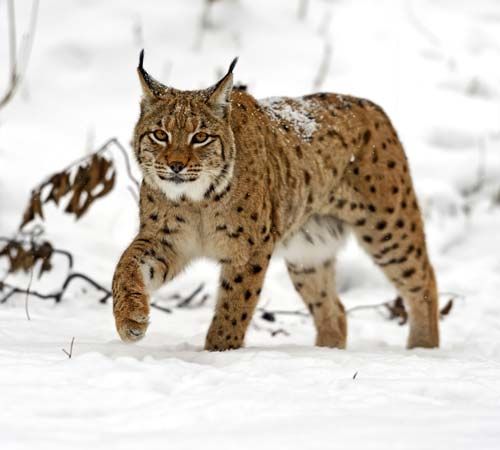
- Subfamily Felinae: These cats, which include domestic cats, cougars, and bobcats, possess the ability to purr.34
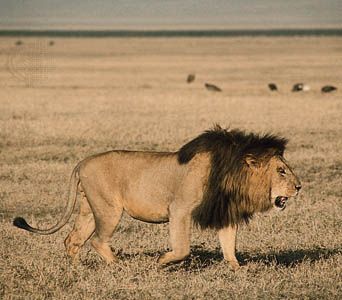
- Subfamily Pantherinae: These cats, often referred to as “roaring cats,” include lions, tigers, and leopards. They do not purr; instead, they are characterized by their ability to roar.345
The distinction lies in the anatomy of the throat. Purring in the Felinae subfamily is believed to result from the vibration of vocal cords at low frequencies, potentially aided by a specialized pad of fatty tissue within the vocal folds. In contrast, the anatomical structure of the larynx in roaring cats is adapted for producing deep, powerful roars rather than the continuous, rattling hum of a purr.345
Why do some cats purr when they are in pain or stressed?
While purring is commonly associated with contentment, it is not exclusively a sign of happiness. Cats frequently purr when they are frightened, sick, or in pain.31
Animal specialists suggest that in these stressful or painful circumstances, purring may serve as a self-soothing mechanism, functioning similarly to how humans might hum to calm themselves during difficult situations. This behavior is observed across the Felinae subfamily, including domestic cats, cougars, and bobcats.3
While the exact biological trigger for this stress-induced purring is still being studied, it is clear that the sound is a versatile form of communication that extends beyond simple pleasure. Whether used to signal well-being to a mother or to provide internal comfort during distress, the vibration remains a fundamental aspect of feline behavior.35
How does the purring mechanism differ between big cats and domestic cats?
The ability to purr is a distinct feature that separates members of the subfamily Felinae—which includes domestic cats, cougars, and bobcats—from the “roaring” cats of the subfamily Pantherinae, such as lions and tigers.34
The difference in these vocal capabilities is rooted in the anatomy of the throat:
- Purring Mechanism: In the Felinae subfamily, purring is believed to originate from the laryngeal muscles. These muscles cause the vocal cords to vibrate at low frequencies during both inhalation and exhalation. Research suggests this process is aided by a specialized pad of fatty tissue within the vocal folds, which enables the continuous, rattling hum.34
- Roaring Mechanism: Big cats in the Pantherinae subfamily possess a different laryngeal structure. They are distinguished by their ossified hyoid bones, which prevent them from purring but allow them to produce powerful roars.78
Sources
- 16 Questions About Pets Answered - Why does my cat purr? — Encyclopædia Britannica
- feline — Encyclopædia Britannica
- Why do cats purr? — Encyclopædia Britannica
- cat — Encyclopædia Britannica
- cat: Top Questions — Encyclopædia Britannica
- cat - Identifying cats — Encyclopædia Britannica
- feline - Evolution and classification — Encyclopædia Britannica
- List of small cats — Encyclopædia Britannica
- hyoid bone — Encyclopædia Britannica
- human skeleton - The hyoid: example of the anchoring function — Encyclopædia Britannica
Published on · 3 min read