Why Do Dogs Eat Grass?
While it is a common misconception that dogs only eat grass because they are sick, the behavior is actually driven by several factors. Dogs may consume grass…
Why do dogs eat grass?
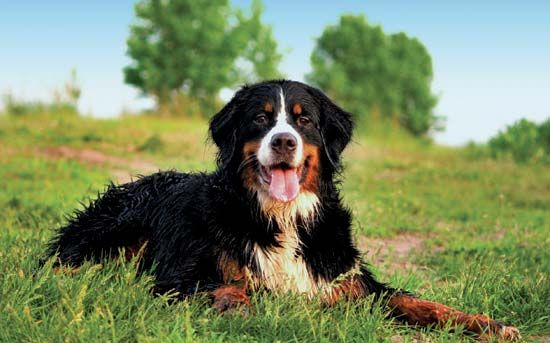
While it is a common misconception that dogs only eat grass because they are sick, the behavior is actually driven by several factors. Dogs may consume grass for the following reasons:
- Nutritional Needs: Grass provides fiber, a type of carbohydrate, which can aid in digestion and support regular bowel movements if their regular diet is lacking in fiber.1
- Digestive Relief: Some dogs eat grass to induce vomiting when they have an upset stomach. This can be a natural way to clear the stomach of irritants.1
- Behavioral Factors: Eating grass can simply be a result of boredom, habit, or a lack of sufficient physical activity. In some instances, it may also be a response to stress or anxiety.1
What are the signs of a nutritional deficiency in dogs?
While the provided search results do not offer a comprehensive list of all signs of nutritional deficiency in dogs, they do highlight specific health consequences related to inadequate intake:
- Poor Growth and Low Energy: Feeding a dog too little can lead to stunted growth and a noticeable lack of energy.2
- Anemia: Inadequate production of red blood cells can result from specific mineral deficiencies, such as a lack of iron or cobalt.3
- Bone Disease: While often associated with obesity, improper nutrition during critical growth phases can contribute to crippling bone diseases in puppies.2
Because nutritional needs vary significantly based on a dog’s age, activity level, and breed, it is essential to consult a veterinarian if you suspect your pet is not thriving. Diagnostic aids, such as blood tests measuring chemical constituents or cell counts, are often required to confirm whether health issues are caused by nutritional imbalances or other underlying diseases.3
How does fiber help a dog’s digestive system?
Dietary fiber plays a vital role in maintaining a healthy digestive system by acting as a material that is not fully digested by the small intestine and only partially broken down in the large intestine.4
For dogs, as with humans, fiber provides several key benefits:
- Regulates Bowel Movements: Fiber helps to relieve and prevent constipation, ensuring that the digestive tract functions regularly.4
- Slows Gastric Emptying: By slowing the rate at which food leaves the stomach, fiber helps regulate the digestive process.4
- Promotes Satiety: Fiber contributes to a feeling of fullness, which can be helpful in managing a dog’s appetite and weight.4
While fiber is essential for digestive health, it is important to ensure that a dog’s overall nutrition is balanced to meet their specific biological needs.
What are some safe ways to keep a dog entertained?
Keeping a dog entertained is essential for their physical and mental well-being, as it helps prevent behavioral issues like excessive barking or destructive chewing that often stem from pent-up energy.5
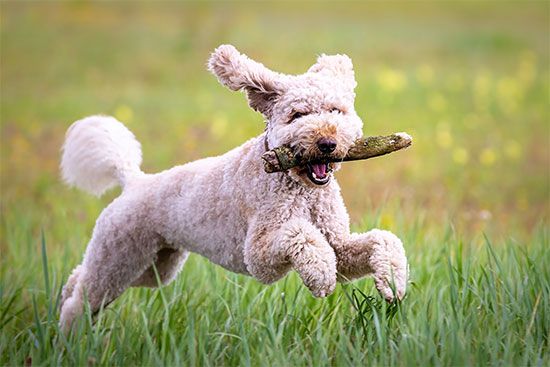
One of the most effective and natural ways to keep a dog engaged is through games like fetch. This activity is particularly beneficial because:
- It taps into natural instincts: For many breeds, especially those originally bred for retrieving or herding, chasing and returning an object mimics hunting behaviors.5
- It provides necessary exercise: Fetch allows dogs to run, jump, and improve their balance and reflexes in a controlled environment.5
- It strengthens the human-animal bond: Because dogs are social animals, the cooperative nature of fetch fosters teamwork and provides the positive reinforcement—such as praise and affection—that they crave.5
Beyond fetch, providing consistent opportunities for physical activity and social interaction is key to maintaining a happy, well-adjusted pet.5
Sources
- Why do dogs eat grass? — Encyclopædia Britannica
- dog - Nutrition and growth — Encyclopædia Britannica
- animal disease - Tests as diagnostic aids — Encyclopædia Britannica
- dietary fiber — Encyclopædia Britannica
- Why do dogs like to play fetch? — Encyclopædia Britannica
Published on · 3 min read