Why Do Dogs Like to Play Fetch?
Dogs enjoy playing fetch primarily due to a combination of instinctual drives, the need for physical activity, and the social bond they share with their…
Why do dogs like to play fetch?
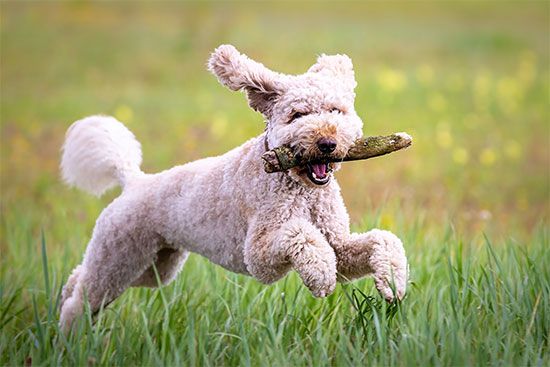
Dogs enjoy playing fetch primarily due to a combination of instinctual drives, the need for physical activity, and the social bond they share with their owners.1
Instinct and Behavior
For many breeds, such as Golden Retrievers and Labrador Retrievers, fetch taps into deeply ingrained hunting and retrieving instincts. This behavior is a form of play, which in animals often serves as a way to practice and refine adult skills like stalking and chasing prey.12
Physical and Social Benefits
- Energy Expenditure: Fetch provides a controlled way for dogs to run and jump, which helps improve balance, reflexes, and overall agility. Regular physical activity is essential for preventing behavioral problems caused by pent-up energy.1
- Human Connection: Because dogs are social animals, the cooperative nature of the game strengthens the bond between them and their human companions. The positive reinforcement and interaction involved make the activity rewarding for the dog.1
Which dog breeds are most famous for their retrieving skills?
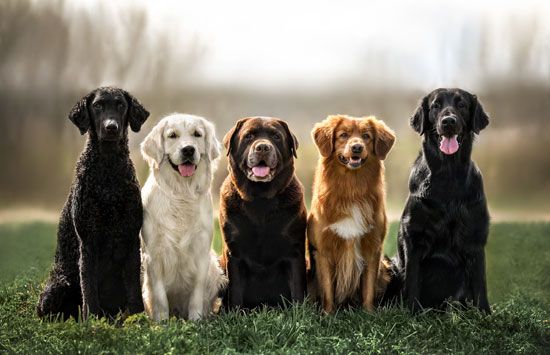
Retrievers are a specific group of sporting dogs bred and trained to retrieve game on both land and in water. They are characterized by their keen sense of smell, water-resistant coats, and “soft” mouths, which allow them to carry game without causing damage.34
The most famous breeds within this group include:
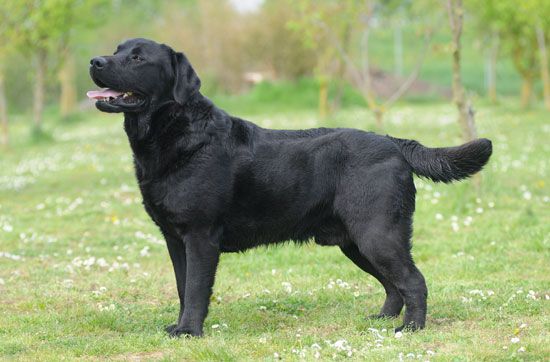
- Labrador Retriever: Originating in Newfoundland, this breed is an outstanding gun dog known for its muscular build, “otterlike” tail, and tireless retrieving ability.5
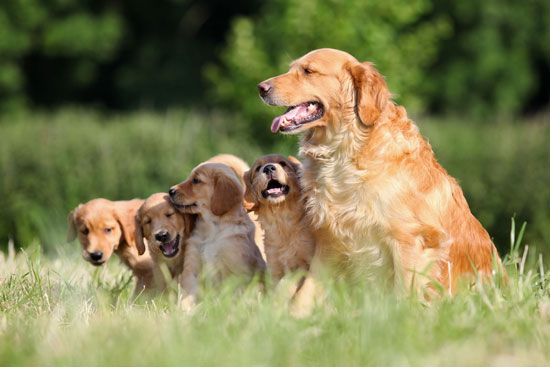
- Golden Retriever: A powerful breed from Scotland, noted for its water-repellent coat and gentle, affectionate nature.67
- Chesapeake Bay Retriever: A strong, powerful dog from the U.S. with a dense, coarse coat, highly regarded as an excellent duck hunter.67
- Curly-coated Retriever: One of the oldest retriever breeds, recognized by its distinctive coat of short, tight curls.4
- Flat-coated Retriever and Nova Scotia Duck Tolling Retriever: Other recognized breeds within the retriever category.3
How does play help young animals learn adult behaviors?
In zoology, play is a vital developmental process observed primarily in mammals and birds, serving as a foundation for acquiring adult behaviors. By engaging in activities that mimic serious life tasks without the associated risks, young animals can practice and refine essential skills.2
Developing Survival Skills
For young predators, play is a direct rehearsal for survival. For example, a kitten’s tendency to chase a ball or string mimics the movements required for stalking prey, while leaping and jumping prepare the animal for the physical demands of hunting. These behaviors allow young animals to develop coordination and tactical skills in a safe environment.2
Social and Hierarchical Learning
In social species, play is crucial for navigating group dynamics. It provides a structured opportunity for siblings or peers to interact, which helps them learn behaviors necessary for maintaining a dominance hierarchy. Through these interactions, animals practice social cues and communication, which are essential for long-term success within their social groups.8
We could dive deeper into how animal learning and brain complexity contribute to these sophisticated behaviors.
What are some other ways dogs communicate during play?
Beyond vocalizations like barking, whining, and growling, dogs utilize a sophisticated range of non-verbal signals to communicate during play and social interaction. These behaviors are rooted in the social structures of their ancestors, the wolves, and serve to maintain group harmony and express intent.910
Key methods of communication include:
- Body Posture and Positioning: A dog’s overall stance provides significant insight into its mood. During play, dogs often use specific postures to signal friendliness or excitement.910
- Tail Movement: While often associated with happiness, tail position and movement are nuanced. A loose, wagging tail typically signals a friendly or excited state, whereas a tail held high or stiffly can indicate aggression or submission.10
- Facial Expressions and Ear Position: Dogs use their ears and facial muscles to convey information. Changes in ear orientation and baring of teeth are common visual signals used to minimize conflict and clarify social intentions.911
- Scent Marking: Dogs possess scent-producing glands that allow them to communicate information about their age, sex, and mood to other dogs through paw prints, urine, and feces.9
Sources
- Why do dogs like to play fetch? — Encyclopædia Britannica
- play — Encyclopædia Britannica
- retriever — Encyclopædia Britannica
- dog - Sporting dogs — Encyclopædia Britannica
- sporting dog — Encyclopædia Britannica
- Labrador Retriever — Encyclopædia Britannica
- curly-coated retriever — Encyclopædia Britannica
- mammal - Social behaviour — Encyclopædia Britannica
- 16 Questions About Pets Answered - Why do dogs bark? — Encyclopædia Britannica
- canine - Natural history — Encyclopædia Britannica
- dog - Barking — Encyclopædia Britannica
- 16 Questions About Pets Answered - Why does my dog wag its tail when it’s happy to see me? — Encyclopædia Britannica
Published on · 3 min read