Why Have There Been So Many Bear Attacks in Japan in 2025 and 2026?
Japan has experienced a significant rise in bear attacks, with injuries reaching 238 in 2025 and continuing into 2026. This surge is primarily driven by…
Why Have There Been So Many Bear Attacks in Japan in 2025 and 2026?
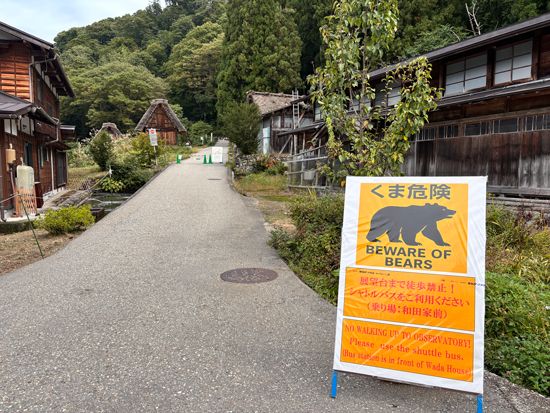
Japan has experienced a significant rise in bear attacks, with injuries reaching 238 in 2025 and continuing into 2026. This surge is primarily driven by climate change, which initially boosted bear populations—growing from 15,000 in 2012 to an estimated 58,000 by early 2026—by increasing food availability. However, when natural food sources like acorns and berries are scarce, bears are forced into residential areas to forage.1
This issue is exacerbated by:
- Demographic Shifts: Rural areas face declining human populations, leading to overgrown vegetation that provides cover for bears near human settlements.1
- Management Constraints: An aging population of licensed hunters and previous strict legal limitations on firearm use by authorities have reduced population control efforts.1
In response, the government is taking proactive steps, including legislation to cull 10,000 bears, relaxing firearm regulations, increasing management staff, and deploying artificial intelligence and drones to monitor and deter bears.1
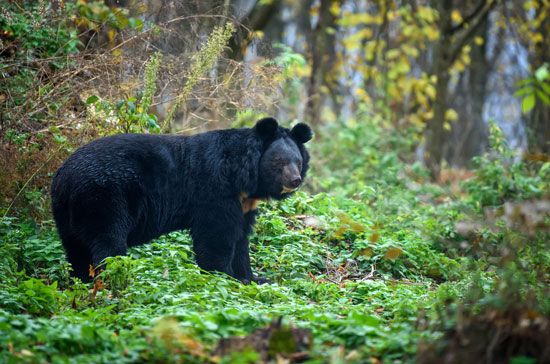
What are the main differences between Ussuri brown bears and Japanese black bears?
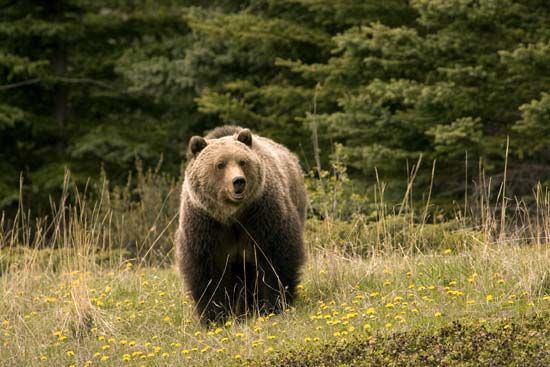
The Ussuri brown bear (Ursus arctos lasiotus) and the Japanese black bear (U. thibetanus japonicus) are the two bear species native to Japan. While both are omnivorous and share similar dietary habits—feeding on acorns, nuts, berries, and animal carcasses—they differ primarily in their geographic distribution and specific habitat preferences within the country.2
Key Differences
Feature
Ussuri Brown Bear
Japanese Black Bear
Scientific Name
Ursus arctos lasiotus
U. thibetanus japonicus
Primary Range
Hokkaido (northernmost main island)
Honshu and Shikoku
Habitat
Remote mountain and forest areas
Remote mountain and forest areas
Shared Characteristics
- Diet: Both species are omnivorous, relying heavily on forest mast such as acorns, beech nuts, and berries, as well as the carcasses of deer and boar.2
- Behavioral Challenges: Both species have been increasingly forced into human-populated areas due to climate-driven fluctuations in natural food sources, leading to heightened human-bear conflict.2
- Management: Both populations are subject to Japan’s evolving wildlife management strategies, which include culling programs, the use of technology like drones and artificial intelligence for monitoring, and efforts to increase the number of licensed hunters and management staff.2
How does an aging human population affect wildlife management in rural Japan?
The aging human population in rural Japan significantly complicates wildlife management, particularly regarding bear populations. This demographic shift has created a dual challenge for the country:
- Reduction in Hunting Pressure: The number of licensed hunters has plummeted from approximately 518,000 in 1975 to fewer than 218,500 by 2020. More than half of these remaining hunters are over the age of 60, leading to a critical shortage of personnel available to manage bear populations effectively.1
- Increased Bear Cover: As younger generations migrate to cities for employment, rural farming hamlets are left in the care of an aging population. With fewer people available to maintain the land, vegetation—including shrubs and grasses—has become overgrown. This provides bears with essential cover, allowing them to approach residential areas and raid crops more easily.1
These factors, combined with strict historical legal limitations on firearm use by authorities, have substantially reduced the ability to control bear numbers. In response, the government is now working to increase management staff and is exploring incentives to attract younger hunters to the field.1
What role does artificial intelligence play in tracking bear movements?
In response to the rising number of bear encounters in rural Japan, local governments and businesses are increasingly leveraging artificial intelligence as a critical tool for wildlife management.
The primary role of this technology is to enhance the monitoring and identification of individual bears that pose potential threats to human settlements. By integrating AI with other high-tech solutions—such as drones and networks of cameras placed along hiking trails—authorities can more effectively track bear movements in real time. This data-driven approach allows officials to identify specific animals that are encroaching on towns and villages, enabling a more targeted and proactive response to mitigate the risk of attacks.1
This technological integration is part of a broader effort to compensate for the decline in the number of active, licensed hunters and to manage a bear population that has grown significantly over the past decade.1
Sources
- Why Have There Been So Many Bear Attacks in Japan in 2025 and 2026? — Encyclopædia Britannica
- brown bear — Encyclopædia Britannica
- bear - Natural history — Encyclopædia Britannica
Published on · 3 min read