Brown Bear
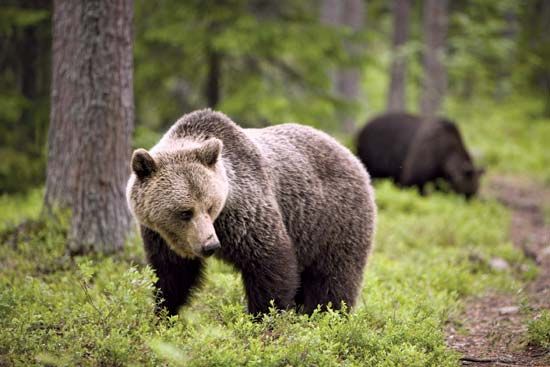
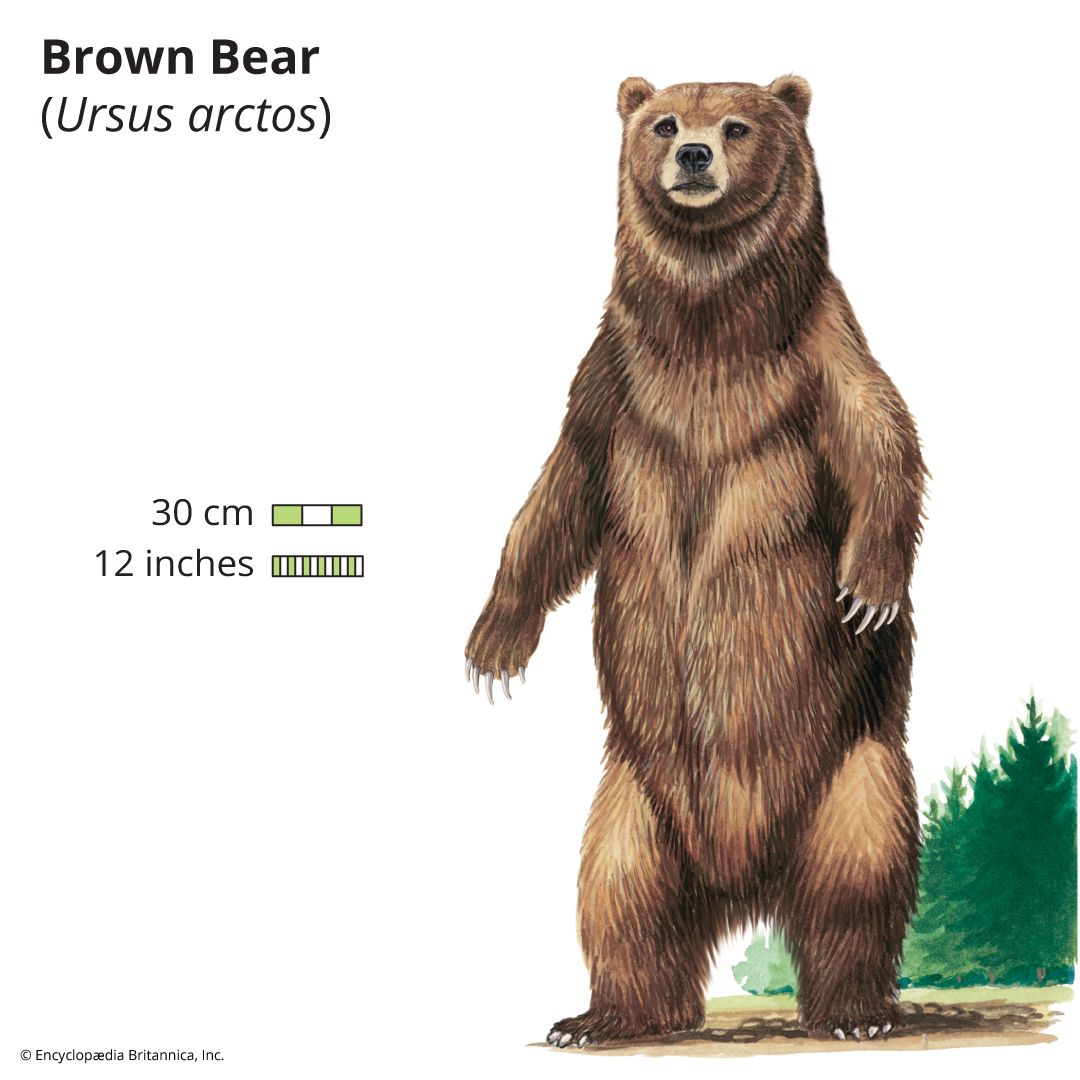
Brown bears (Ursus arctos) are omnivorous animals with a diet that shifts significantly throughout the year to support their survival and energy needs.
What is the typical diet of a brown bear, and how does it change seasonally?
Brown bears (Ursus arctos) are omnivorous animals with a diet that shifts significantly throughout the year to support their survival and energy needs.12
Their typical diet includes a wide variety of food sources, such as:
- Plant matter: Berries, roots, and shoots.12
- Animal protein: Small mammals, fish, calves of hoofed animals, and carrion.12
- Specialized hunting: In many regions, brown bears are known for their skillful fishing during the spawning runs of salmon.2
Seasonal changes are driven by the need to prepare for winter dormancy. While brown bears do not undergo true hibernation, they retire to dens during the winter months. To survive this period of fasting, they must accumulate large amounts of fat during late summer and autumn. Consequently, their foraging behavior intensifies during these seasons as they seek out high-calorie food sources to build the energy reserves necessary for winter survival and, for females, reproductive success.123
How long do brown bears live in the wild, and what factors affect their lifespan?
In the wild, brown bears (Ursus arctos) typically live between 15 and 30 years, though they can live significantly longer in captivity.25
Several factors influence their lifespan and mortality:
- Human Activity: Hunting by humans is the primary cause of mortality for brown bears. They also face threats from poaching, collisions with automobiles and trains, and being killed by landowners or officials when they frequent human settlements in search of food.21
- Predation and Intraspecific Conflict: While adult bears have few natural enemies due to their size, young bears are vulnerable to predation by other carnivores, such as wolves or cougars. Most significantly, young bears may be killed by other bears, particularly adult males.2
- Environmental Factors: Bears that fail to accumulate sufficient fat reserves during the late summer and autumn may die of starvation during the winter months.21
- Harvesting: In some regions, bears are harvested for their gallbladders, bile, and paws for use in traditional medicines or as culinary delicacies.1
How do brown bears hibernate, and what physiological changes occur during this process?
Bears are often mistakenly described as true hibernators, but they actually undergo a state of winter lethargy or “shallow hibernation”. Unlike true hibernators—such as ground squirrels—that experience a drastic drop in body temperature to near freezing, a bear’s body temperature only decreases slightly, typically from an average of 38 °C (100 °F) to about 34 °C (93 °F).67
Because of their large body size, bears do not enter deep hibernation because the metabolic cost of warming back up to normal temperatures would be too high. Instead, they remain warm and capable of activity if stimulated. During this period, they exhibit several unique physiological traits:6
- Metabolic Suppression: They enter a state of dormancy to conserve energy when food is scarce.64
- Continuous Fasting: Unlike some true hibernators that rouse to eat or move, many bear species do not awaken, eat, drink, or urinate for several months.4
- Maternal Care: Female bears are unique in that they can give birth to cubs and nurse them while in this lethargic state, maintaining the cubs with maternal warmth.6
Where are brown bears found in the world, and what types of habitats do they prefer?
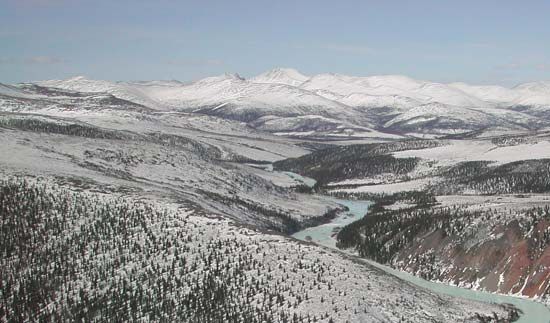
Brown bears (Ursus arctos) have an extensive geographic distribution, native to regions across Europe, Asia, and northwestern North America. While they formerly inhabited a much wider range—including areas from Alaska down to northern Mexico—their territory has become significantly restricted over time.112
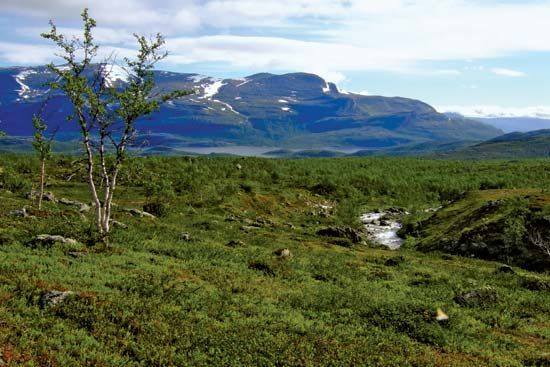
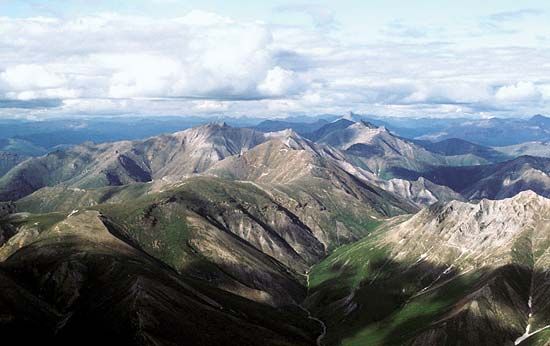
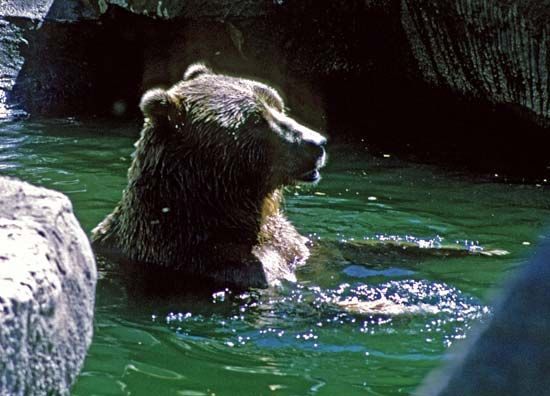
Regarding their habitat, brown bears are highly adaptable and occupy a variety of environments within these regions. Their home ranges are not fixed in size; instead, they vary based on the local abundance of food. When food resources are scarce, bears will utilize much larger geographic areas to forage. They are known to be strong swimmers and are capable of moving quickly through dense cover, allowing them to navigate diverse terrains effectively.21
Because they are omnivorous, their habitat preferences are largely dictated by the availability of diverse food sources, such as berries, plant roots, fish, and small mammals. In many areas, they also exhibit the behavior of digging dens in the earth to survive the winter months.12
Sources
- brown bear — Encyclopædia Britannica
- bear - Natural history — Encyclopædia Britannica
- black bear — Encyclopædia Britannica
- Why Do Some Animals Hibernate? — Encyclopædia Britannica
- bear: Top Questions — Encyclopædia Britannica
- Dormancy - Types of hibernation in mammals — Encyclopædia Britannica
- Dormancy - Neural changes — Encyclopædia Britannica
- Dormancy - Heart rate and circulation — Encyclopædia Britannica
- Torpor — Encyclopædia Britannica
- Hibernation — Encyclopædia Britannica
- Dormancy - Endocrine activity — Encyclopædia Britannica
- brown bear — Merriam-Webster
Published on · 3 min read