Wild Oat
The term "wild oat" refers to tufted annual grasses belonging to the genus Avena within the Poaceae family. Native to Eurasia and Africa, these plants are…
What is Wild oat?
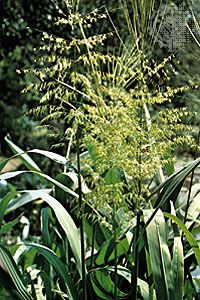
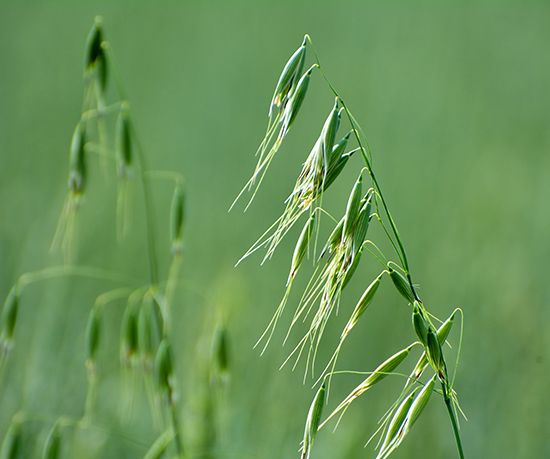
The term “wild oat” refers to tufted annual grasses belonging to the genus Avena within the Poaceae family. Native to Eurasia and Africa, these plants are characterized by their erect growth, long flat leaves, and loose inflorescences bearing bisexual flowers.1
While some species are utilized as forage for grazing animals or cut for hay, others are considered persistent weeds in agricultural settings. The common wild oat (A. fatua) is a well-known example, often found in fields and along roadsides in temperate regions. Notably, all species in the genus produce edible seeds, and the group is closely related to the domesticated oat, a major global cereal crop. Additionally, the phrase “sow one’s wild oats” is a common idiom referring to youthful indiscretions.12
How do wild oats differ from the oats we eat for breakfast?
Wild oats and the oats consumed as breakfast food differ primarily in their cultivation, purpose, and classification.
- Classification and Purpose: The oats we eat for breakfast are a domesticated cereal grass known as Avena sativa. They are specifically grown as a crop for human consumption and livestock feed. In contrast, “wild oat” refers to various species within the genus Avena—such as the common wild oat (A. fatua)—that are often considered persistent weeds in agricultural fields. While wild oats are sometimes cut for hay or used as forage for grazing animals, they are generally not cultivated for human food production.1435
- Agricultural Impact: Because wild oats compete with cereal crops for essential resources like light, water, and nutrients, they are often viewed as a nuisance that farmers must work to eradicate. Domesticated oats, however, are carefully managed and processed for their nutritional value, including high levels of protein, fat, and beta-glucan soluble fiber.3541
What does the phrase ‘sow one’s wild oats’ mean?
The phrase “sow one’s wild oats” is an idiom used to describe a period during which a person, typically when young, engages in various indiscretions or has many sexual relationships.72
The expression draws a metaphorical connection to the wild oat plant, which is an Old World grass often considered a weed. In this context, the “wild oats” represent the impulsive behaviors or offenses attributed to youthful exuberance, suggesting a phase of life characterized by a lack of restraint before settling into more mature responsibilities.2
Why are some wild oat species considered invasive weeds?
Certain species of wild oat (genus Avena) are classified as invasive weeds primarily because of their ability to thrive in agricultural environments and compete with desired crops.
Competitive Nature
Wild oats are highly effective at competing with cereal crops for essential resources, including:
- Water: They draw moisture away from the primary crop.
- Light: Their growth patterns can shade out smaller or slower-growing plants.
- Nutrients: They consume mineral nutrients from the soil that are intended for the cultivated crop.1
Persistence and Dissemination
These plants are particularly difficult to eradicate due to their reproductive strategies. Their seeds are easily disseminated across fields by wind, water, and birds, ensuring that infestations can persist for successive years if not properly managed. Because they are hardy annual grasses, they can quickly establish themselves in meadows, pastures, and cultivated fields, often requiring the use of chemical herbicides or manual removal to control their spread.51
Sources
- wild oat — Encyclopædia Britannica
- wild oat — Merriam-Webster
- wild red oat — Merriam-Webster
- oatmeal — Encyclopædia Britannica
- Oats — Encyclopædia Britannica
- Cereal farming - Weeds — Encyclopædia Britannica
- sow one's (wild) oats — Merriam-Webster
Published on · 2 min read