Willow
A willow is any tree or shrub belonging to the genus Salix within the family Salicaceae. These plants are primarily native to north temperate regions and are…
What is willow?
A willow is any tree or shrub belonging to the genus Salix within the family Salicaceae. These plants are primarily native to north temperate regions and are valued for their ornamental beauty, shade, timber, and role in erosion control.1
Key characteristics and uses include:
- Medicinal Properties: Willows contain salicin, a compound used to derive salicylic acid, which serves as the basis for various pain relievers.12
- Physical Traits: Most species feature alternate, narrow leaves and produce catkins. Their seeds are equipped with long, silky hairs.1
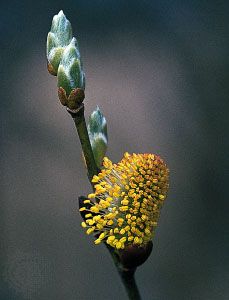
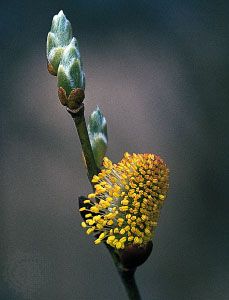
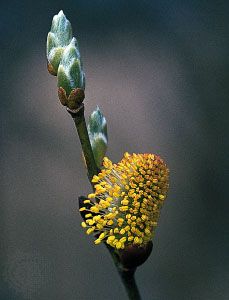
- Diversity: The genus ranges from large trees like the white willow (S. alba) to shrubby varieties used in basket making, such as the common osier (S. viminalis). Some species, like the weeping willow, are known for their drooping habit, while pussy willows are recognized for their woolly, early-spring catkins.1
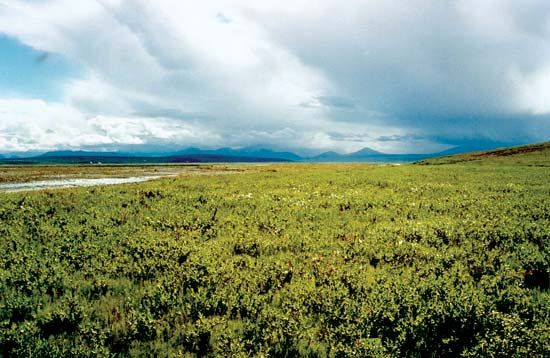
- Habitat: They are commonly found in lowland areas near watercourses, though some species are adapted to harsh tundra environments.1
How is salicin used in modern medicine?
Salicin is a bitter, white crystalline glucoside found in the bark and leaves of various willow and poplar trees. In modern medicine, it is primarily utilized as a precursor or therapeutic equivalent to [salicylic acid]. In modern medicine, it is primarily utilized as a precursor or therapeutic equivalent to [salicylic acid].43
Salicylic acid itself is a vital pharmaceutical compound with several key applications:
- Aspirin Production: The most significant use of salicylic acid is its treatment with acetic anhydride to produce aspirin (acetylsalicylic acid), which is the world’s most widely used mild analgesic.563
- Pain and Inflammation Relief: Aspirin and related NSAIDs function by inhibiting the synthesis of prostaglandins, which are chemicals that trigger pain and inflammation.3
- Dermatological Treatments: Salicylic acid is a common component in preparations used to treat skin conditions, including warts, corns, and calluses.5
- Prophylactic Use: Due to its ability to inhibit platelet aggregation, aspirin is used to reduce the risk of thrombosis in the heart or brain.3
What makes weeping willows different from other species?
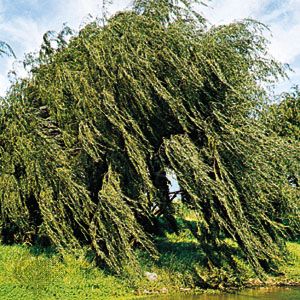
The primary feature that distinguishes weeping willows from other species in the Salix genus is their characteristic drooping habit, which is caused by their slender, pendent branches.17
While most willows are categorized by their specific growth patterns—such as the shrubby form of the common osier, the woolly catkins of the pussy willow, or the twisted branches of the corkscrew willow—the weeping willow is defined by this graceful, downward-reaching structure. Specifically, the most well-known variety, Salix babylonica, originates from East Asia and is recognized for these long, hanging limbs that set it apart from the more upright or matted growth habits found in other willow species.17
Why do willow trees often grow near water?
Willow trees are frequently found near water because many species in the genus Salix are naturally adapted to thrive in wet environments, such as along watercourses and in lowland areas.8
While the term “water willow” is sometimes used to describe various unrelated plants that grow in wetlands, many true willow species have evolved to flourish in these moist habitats. Their presence in such areas is often beneficial, as their extensive root systems help with erosion control along riverbanks and streams. While some species are specifically known for their affinity for water, others are highly adaptable, ranging from these lowland, water-loving varieties to small, matted plants that survive in the harsh conditions of the tundra.18
Sources
- willow — Encyclopædia Britannica
- willow tree — Merriam-Webster
- salicin — Merriam-Webster
- salicylic acid — Encyclopædia Britannica
- aspirin: Top Questions — Encyclopædia Britannica
- analgesic - Anti-inflammatory analgesics — Encyclopædia Britannica
- weeping willow — Merriam-Webster
- water willow — Merriam-Webster
Published on · 3 min read