Water Shield
Water shield (Brasenia schreberi) is a small aquatic plant belonging to the fanwort family (Cabombaceae). It is found in ponds and still waters throughout…
What is water shield?
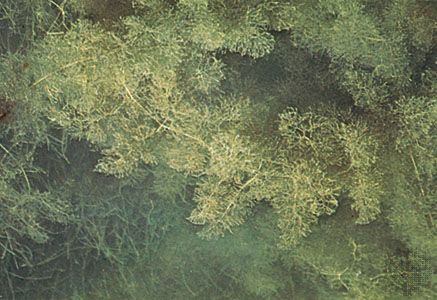
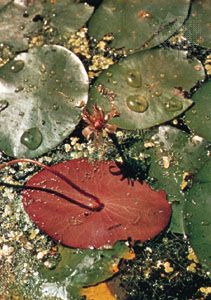
Water shield (Brasenia schreberi) is a small aquatic plant belonging to the fanwort family (Cabombaceae). It is found in ponds and still waters throughout the world, with the notable exception of Europe. The term is also used to refer to fanwort (Cabomba).12
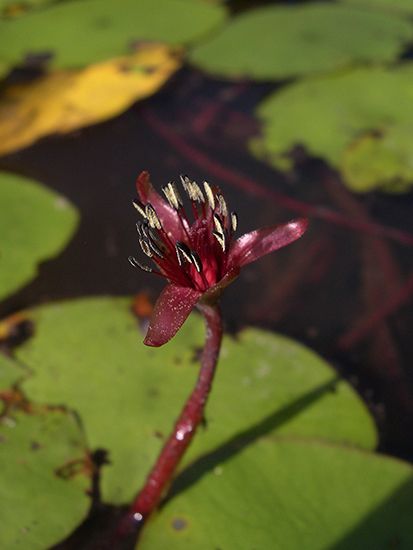
The plant is characterized by oval, floating leaves that measure approximately 5 to 10 centimeters (2 to 4 inches) in length. A distinctive feature of the water shield is its long, jelly-coated stem, which connects the center of each leaf to rootstocks buried in the mud. The plant produces small, dull purple flowers that typically feature three or four narrow petals, followed by club-shaped fruit.12
As an aquatic species, it thrives in environments that contribute to the broader health of wetland ecosystems, which serve as vital habitats for diverse flora and fauna.3
Why does water shield have a jelly-like coating?
The jelly-like coating found on the stems and undersides of the water shield (Brasenia schreberi) is a thick layer of mucilage. While the specific biological function of this substance is not explicitly detailed in the provided text, such mucilaginous secretions in aquatic plants are generally understood to serve as a protective mechanism. This coating can help the plant deter herbivores, prevent the growth of epiphytic algae or bacteria on its surfaces, and potentially aid in moisture retention or nutrient absorption within its aquatic environment.
What other types of plants grow in wetland ecosystems?
Wetland ecosystems support a variety of specialized plants, often categorized by whether the environment is dominated by trees (swamps) or grasses (marshes). Because these areas are frequently waterlogged, the vegetation must be adapted to low-oxygen soil conditions.4
Common Wetland Flora
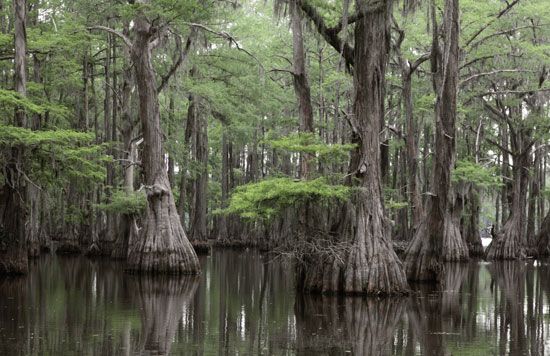
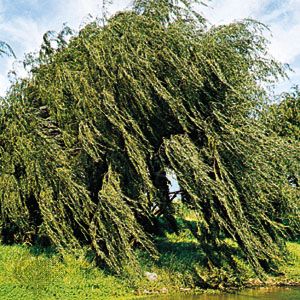
- Trees: In swamp environments, common species include bald cypress, willows, alders, maples, and cottonwood. In tropical regions, palms and mangroves are prevalent.4
- Grasses and Sedges: Marshes are primarily dominated by non-woody plants such as grasses and sedges. Familiar species found globally include cattails and common reeds.45
- Tropical Hydrophytes: Papyrus, a type of sedge, is widely distributed throughout tropical wetlands.4
Many swamp trees have evolved shallow root systems to cope with the lack of oxygen in the mud, which often creates the appearance of buttresses at the base of the trunk for added stability.4
How do aquatic plants contribute to water quality?
Aquatic plants play a vital role in maintaining water quality, often functioning as the “kidneys of the landscape” by naturally filtering and cleansing polluted waters. Their contributions include:6
- Nutrient Cycling and Filtration: Wetlands serve as important sinks for inorganic nutrients, such as nitrates and phosphates. By absorbing these substances, plants help prevent the excessive nutrient buildup that can lead to eutrophication and harmful algal blooms.67
- Phytoremediation: Through the process of phytoremediation, specific green plants are used to treat contaminated water. These plants can remove, degrade, or stabilize toxic substances, including heavy metals and other pollutants, from groundwater or surface water.3
- Ecosystem Support: By collecting, filtering, and storing water, these plants help maintain the chemical and biological integrity of aquatic systems, which is essential for the survival of fish and other organisms that require high levels of dissolved oxygen.76
We could dive deeper into how specific plant species are utilized in artificial wetlands for industrial water treatment.
Sources
- water shield — Encyclopædia Britannica
- water shield — Merriam-Webster
- Wetland - Wetland functions and ecosystem benefits — Encyclopædia Britannica
- Swamp — Encyclopædia Britannica
- Wetland - Freshwater marshes — Encyclopædia Britannica
- water pollution - Domestic sewage — Encyclopædia Britannica
- phytoremediation — Merriam-Webster
Published on · 3 min read