Pussy Willow
A pussy willow is a name given to various shrubby willow species (genus Salix) characterized by their large, cylindrical, and silky catkins. While the term…
What is pussy willow?
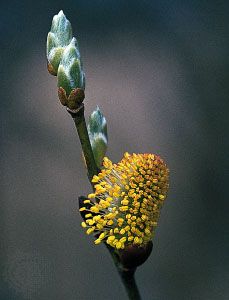
A pussy willow is a name given to various shrubby willow species (genus Salix) characterized by their large, cylindrical, and silky catkins. While the term often refers to the Eurasian species Salix caprea, it is also commonly applied to the North American species Salix discolor.123
These plants are particularly noted for their woolly catkins, which emerge before the leaves and are widely considered a harbinger of spring. As members of the Salix genus, they belong to the family Salicaceae and are part of a diverse group of trees and shrubs valued for their ornamental qualities, role in erosion control, and historical use in producing salicin, a precursor to salicylic acid.3
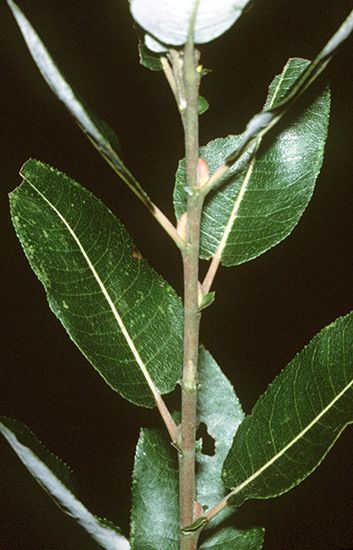
What exactly is a catkin in botany?
In botany, a catkin (also known as an ament) is an elongated, often pendulous cluster of single-sex flowers arranged along a central axis. These structures are a type of inflorescence characterized by the following features:45
- Unisexual Flowers: Each catkin consists exclusively of either staminate (male) or carpellate (female) flowers, rather than a mix of both.5
- Reduced Structure: To facilitate wind pollination, catkins typically lack petals and sepals, which are often reduced or absent. They are usually accompanied by scaly bracts.45
- Wind Pollination: Because they are designed for wind dispersal of pollen, catkins are frequently pendulous, allowing them to sway and release pollen efficiently.45
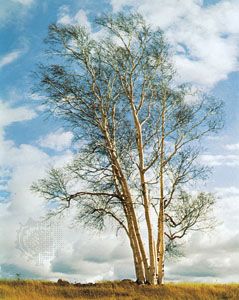
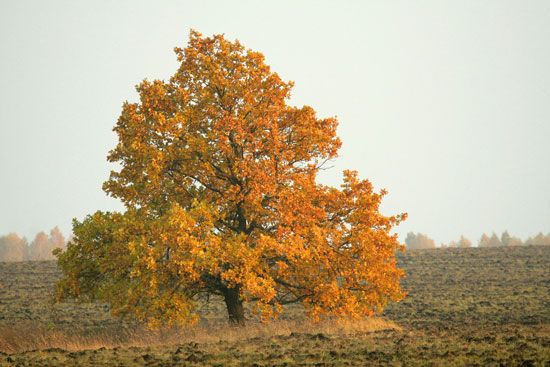
- Occurrence: Many trees and shrubs produce catkins, including willows, birches, and oaksplant/birch), and oaks. Depending on the species, a plant may be monoecious (bearing both male and female catkins on the same individual) or dioecious (bearing them on separate individuals).4
Why are pussy willows considered a sign of spring?
Pussy willows are considered a harbinger of spring primarily because their distinctive, woolly catkins emerge well before the plant’s leaves appear.1
As the male form of several shrubby willow species, such as the North American Salix discolor or the Eurasian Salix caprea, these silky, cylindrical structures provide a visible sign of life while much of the surrounding landscape is still dormant. Because they bloom early in the season, they have long been associated with the transition from winter to spring.13
How are willow trees used to help the environment?
Willow trees provide significant environmental benefits, primarily through their role in stabilizing landscapes and managing soil health.
Erosion Control
Willows are highly valued for erosion control, particularly along watercourses. Their extensive root systems help bind soil together, preventing the loss of land caused by flowing water and protecting riverbanks from degradation.3
Phytoremediation
Beyond physical stabilization, willows are utilized in phytoremediation. This process involves using plants to treat contaminated environments by removing, degrading, or stabilizing pollutants. Because of their rapid growth and deep root systems, willows can effectively extract toxic metals and other undesirable substances from contaminated soil and groundwater, serving as a natural and cost-effective method for cleaning industrial or mining sites.7
Sources
- pussy willow — Merriam-Webster
- pussy willow — Encyclopædia Britannica
- willow — Encyclopædia Britannica
- catkin — Encyclopædia Britannica
- Angiosperm - Inflorescences — Encyclopædia Britannica
- Fagales - Characteristic morphological features — Encyclopædia Britannica
- phytoremediation — Merriam-Webster
Published on · 2 min read