Woolly Bear
A woolly bear is the caterpillar of various species of tiger moth, belonging to the subfamily Arctiinae. These larvae are characterized by their dense, hairy…
What is woolly bear?
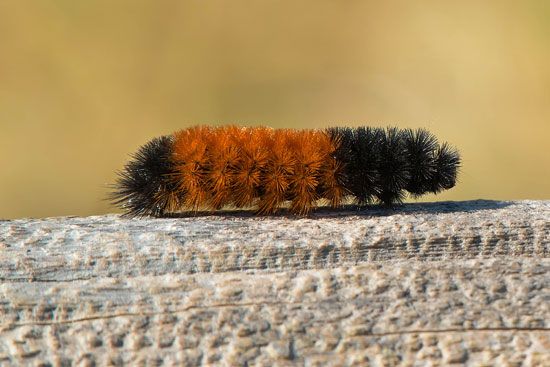
A woolly bear is the caterpillar of various species of tiger moth, belonging to the subfamily Arctiinae. These larvae are characterized by their dense, hairy appearance.123
One of the most recognizable types is the banded woolly bear, the larva of the Isabella tiger moth (Pyrrharctia isabella). This specific caterpillar is distinguished by its brown middle section flanked by black ends. Folklore suggests that the width of these black bands can predict the severity of the upcoming winter, with narrower bands indicating a milder season.12
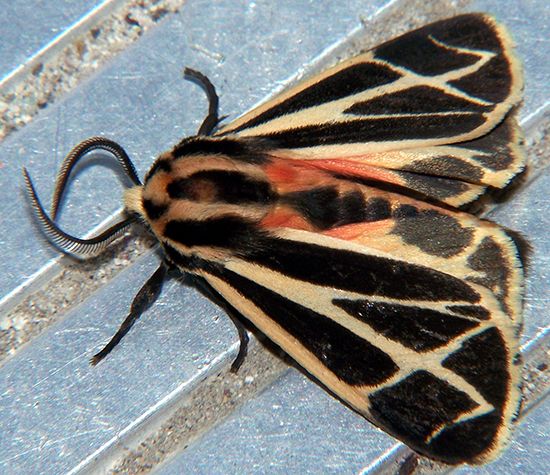
While many tiger moths are known for their hairy larvae, the adult moths themselves often feature thick, furry bodies and wings marked with striking patterns, which serve as a warning of their distastefulness to potential predators.2
What does an Isabella tiger moth look like?
The Isabella tiger moth (Pyrrharctia isabella) is a distinct member of the tiger moth subfamily. As an adult, it typically reaches a wingspan of 37 to 50 mm (1.5 to 2 inches).2
Its physical appearance is characterized by:
Like other members of the Arctiinae subfamily, the Isabella tiger moth generally possesses a thick, furry body. When at rest, its wings are folded in a rooflike fashion over its body.2
How do woolly bear caterpillars survive the winter?
Sorry, the Britannica knowledge base does not contain information regarding the specific biological mechanisms woolly bear caterpillars use to survive the winter.
What is the purpose of the bright colors on tiger moths?
The bright, striking colors found on many tiger moths serve as a form of aposematism, or warning coloration. These vivid patterns draw attention to the insect, signaling to potential predators that the moth is distasteful or toxic.52
Because tiger moths often possess chemical defenses—such as repellent substances released from glands on the prothorax or toxins stored within their bodies—this advertising allows predators to easily recognize and remember them as unpalatable prey. Once a predator has attempted to feed on one or two individuals, it typically learns to avoid other similarly patterned moths, thereby protecting the population from further attacks.5
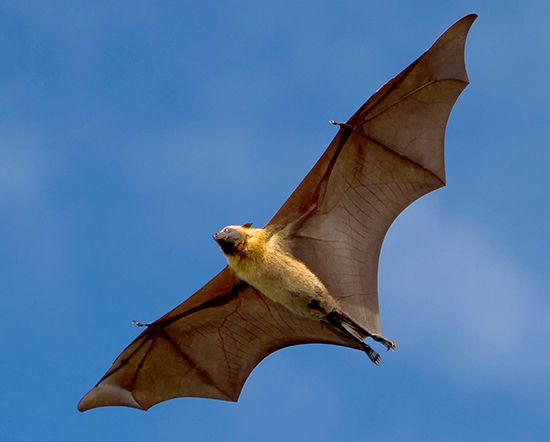
In addition to visual warnings, some inedible tiger moths use timbal (drumlike) organs to produce high-pitched, ultrasonic sounds that warn bats of their toxicity, further aiding in their survival.5
Sources
- woolly bear — Encyclopædia Britannica
- tiger moth — Encyclopædia Britannica
- bear caterpillar — Merriam-Webster
- woolly bear — Merriam-Webster
- Lepidoptera - Protection against danger — Encyclopædia Britannica
Published on · 2 min read