Wormwood
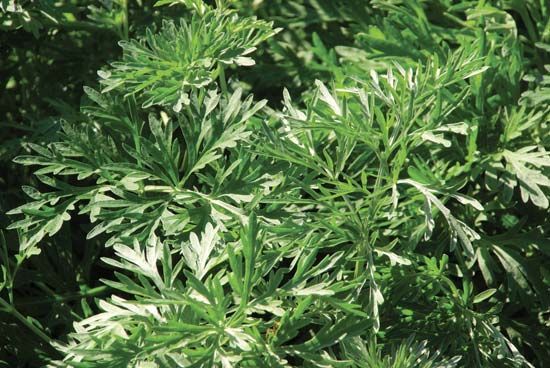
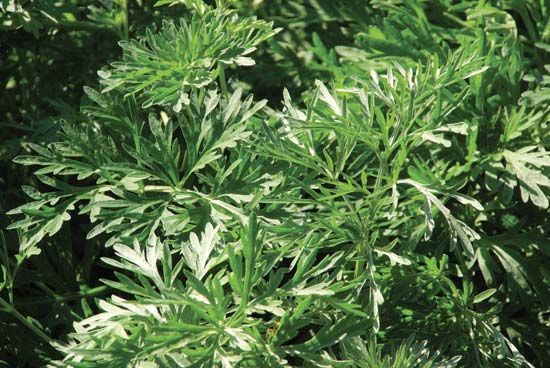
Wormwood belongs to the genus Artemisia, which is part of the aster family (Asteraceae). Because they share the same genus, several other well-known plants…
What species of plants are closely related to wormwood?
Wormwood belongs to the genus Artemisia, which is part of the aster family (Asteraceae). Because they share the same genus, several other well-known plants are closely related to wormwood, including:
- Mugwort (A. vulgaris): Often called wild wormwood, it is used as a culinary herb and in flavoring beverages.
- Sweet wormwood (A. annua): Also known as annual mugwort, this species is the source of the antimalarial medication artemisinin.
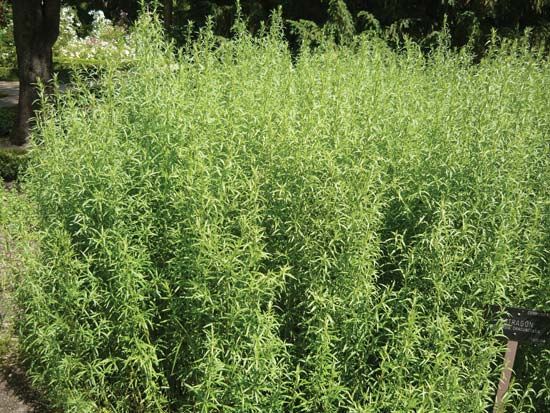
- Tarragon (A. dracunculus): A widely used culinary herb valued for its leaves and flowering tops.
- Sagebrush (A. tridentata and other species): Dominant shrubs in parts of western North America that provide essential habitat for local wildlife.
- Field wormwood (A. campestris): A European species with properties similar to common wormwood.
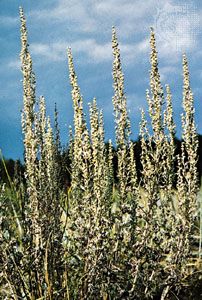
These plants share characteristic features such as aromatic foliage, often divided leaves, and clusters of small, greenish-yellow flower heads.
How is wormwood used in modern herbal medicine and aromatherapy?
In modern herbal medicine and aromatherapy, wormwood (Artemisia absinthium) is primarily valued for its essential oils, which are extracted from the plant’s leaves and flowering tops. Historically, these oils were utilized as tonics and anthelmintics to treat parasitic worms, though their use in modern medicine is limited due to the plant’s potent and potentially toxic nature.15
While some species within the Artemisia genus remain significant in contemporary medicine—most notably Artemisia annua, which provides artemisinin for treating malaria—common wormwood is largely restricted to specific flavoring applications in beverages like absinthe and vermouth. It is important to note that certain traditional uses, such as those for menstrual pain or as an abortifacient, are associated with significant safety concerns and unknown efficacy. Due to the risks of toxicity, the use of wormwood products should be approached with extreme caution and professional medical guidance.1
How has the use of wormwood evolved throughout history?
The history of wormwood (Artemisia absinthium) reflects a transition from traditional medicinal applications to its controversial role in spirits. Historically, the plant was widely utilized as an anthelmintic to treat parasitic worms, a function that inspired its common name. Its bitter essential oils were also historically employed as a tonic in various medicinal preparations.65
By the late 18th century, the plant became the primary ingredient in the commercial production of absinthe, a spirit that gained immense popularity among 19th-century artists and writers. During this era, the drink was erroneously blamed for causing severe disorders, such as convulsions, which led to widespread bans in the early 20th century. Modern research eventually cleared the plant of these specific accusations, identifying the drink’s high alcohol content as the true culprit, which facilitated the lifting of the U.S. ban in 2007.1
Today, while some Artemisia species like sweet wormwood are vital for producing the antimalarial drug artemisinin, common wormwood is primarily used as a flavoring agent in vermouth and absinthe.6
What are some common names for wormwood in different languages and cultures?
The name “wormwood” is a folk-etymological alteration of the Middle English wormwode, which traces back to the Old English wermōd and the West Germanic wermōda. This root is linguistically linked to terms for “bitter,” such as the Old High German wermuota and the Welsh chwerw.1
While the term “wormwood” is the standard English common name, the plant belongs to the genus Artemisia, which encompasses a wide variety of species known by different names depending on their specific use or cultural context:
- Common Wormwood (Artemisia absinthium): Often simply referred to as wormwood, this species is the primary ingredient in absinthe and vermouth.72
- Mugwort (Artemisia vulgaris): Also known as wild wormwood, this plant is frequently used as a culinary herb and to flavor beverages like gruit ales.72
- Sweet Wormwood (Artemisia annua): Also called annual mugwort, this species is native to temperate Asia and is the source of the antimalarial medication artemisinin1.2
- Sagebrush (Artemisia tridentata): A prominent species in western North America, distinct from the medicinal wormwoods.2
Sources
- Wormwood — Encyclopædia Britannica
- artemisia — Encyclopædia Britannica
- list of plants in the family Asteraceae — Encyclopædia Britannica
- field wormwood — Merriam-Webster
- wormwood oil — Merriam-Webster
- Did you know? — Merriam-Webster
- wormwood — Merriam-Webster
Published on · 3 min read