Sagebrush
Sagebrush refers to various shrubby species within the genus Artemisia, which belongs to the aster family (Asteraceae). These plants are native to the…
What is Sagebrush?
Sagebrush refers to various shrubby species within the genus Artemisia, which belongs to the aster family (Asteraceae). These plants are native to the semiarid plains and mountain slopes of western North America1.1
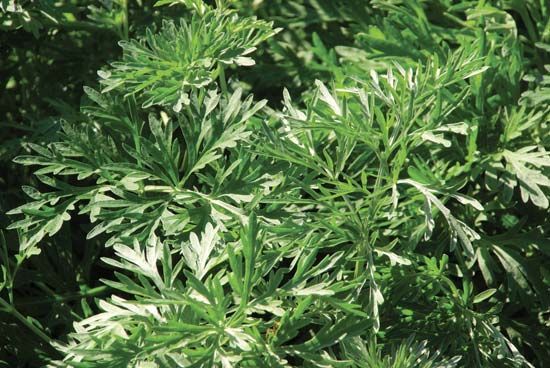
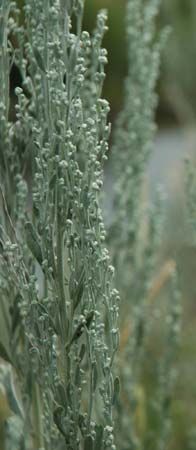
The most well-known variety is the common sagebrush, or big sagebrush (A. tridentata). It is a many-branched shrub typically reaching 1 to 2 metres (about 3 to 6.5 feet) in height. It is characterized by its silvery gray, bitter-aromatic foliage and small, wedge-shaped leaves that usually feature three teeth at the outer end.1
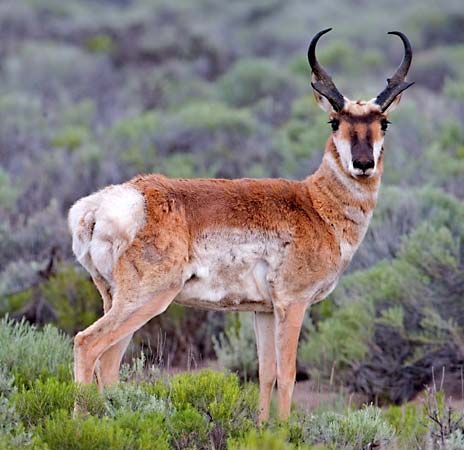
Beyond their distinct appearance, these shrubs play a vital ecological role by dominating the landscape in many regions and providing essential habitat for various wildlife, such as the pronghorn and the sage grouse.12
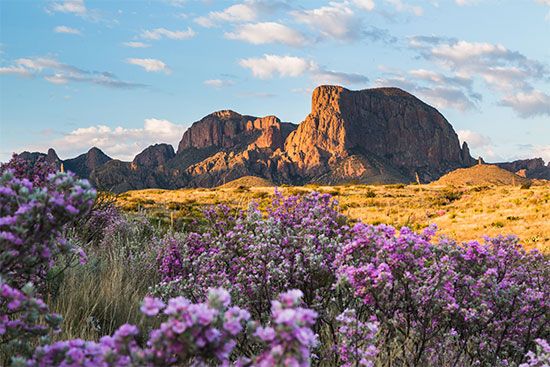
Which animals rely on sagebrush for survival?
Sagebrush serves as a critical component of the ecosystem in western North America, providing essential habitat and resources for a variety of wildlife. Animals that rely on these shrub-dominated landscapes include:
- Sage Grouse: These large birds (Centrocercus urophasianus and C. minimus) are specifically adapted to the dry sagebrush plains, which serve as their primary habitat.14
- Pronghorn: This species is frequently found in areas where sagebrush dominates the landscape, utilizing the environment for survival.15
- Small Mammals and Predators: The scrub communities where sagebrush grows support a diverse range of animals, including jackrabbits, coyotes, and various desert rodents.5
- Reptiles and Birds of Prey: The ecosystem also sustains land turtles, snakes, and hawks, the latter of which often prey on the smaller rodents living within the brush.5
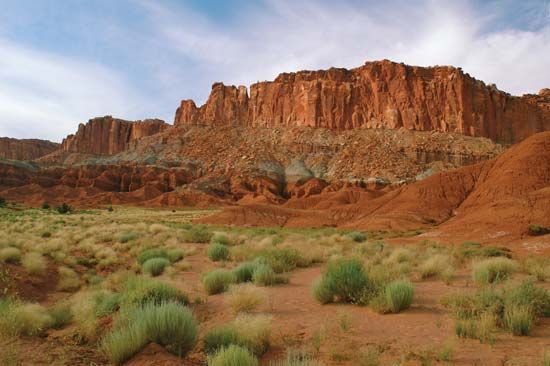
What makes sagebrush leaves appear silvery gray?
The silvery gray appearance of sagebrush leaves is primarily due to the presence of trichomes, which are hair-like outgrowths of the plant’s epidermis.s epidermis.16
These structures serve as a vital adaptation for plants growing in arid environments. By covering the leaf surface, the trichomes increase the reflection of solar radiation, which helps to lower the plant’s internal temperature and reduce water loss through transpiration. In addition to these hairs, some plants may also utilize epicuticular waxes to further minimize water loss, which can contribute to a whitish or bluish “bloom” on the foliage.6
How does sagebrush adapt to dry, semiarid environments?
Sagebrush (Artemisia) is well-adapted to the semiarid plains and mountain slopes of western North America, where moisture availability is the most critical factor for survival. As a woody plant, it employs specific strategies to remain physiologically active during dry periods.189
To minimize water loss in these harsh environments, sagebrush utilizes several key features:
- Leaf Characteristics: The plant possesses small leaves that are often covered in fine hairs, which help reduce water loss through transpiration by reflecting solar radiation and creating a boundary layer that protects the leaf surface.9
- Root Systems: Many desert plants, including those in the Great Basin region where sagebrush is prevalent, function as phreatophytes, utilizing deep root systems to access moisture at significant depths within the soil.89
These adaptations allow sagebrush to dominate vast landscapes, providing essential habitat for species such as the sage grouse and pronghorn.1
Sources
- Sagebrush — Encyclopædia Britannica
- sagebrush — Merriam-Webster
- artemisia — Encyclopædia Britannica
- sage grouse — Merriam-Webster
- North America - The Western sclerophyllous scrub forest — Encyclopædia Britannica
- silver sagebrush — Merriam-Webster
- Angiosperm - Dermal tissue — Encyclopædia Britannica
- North American Desert - Plant life — Encyclopædia Britannica
- Desert - Population and community development and structure — Encyclopædia Britannica
Published on · 2 min read