Yalu River
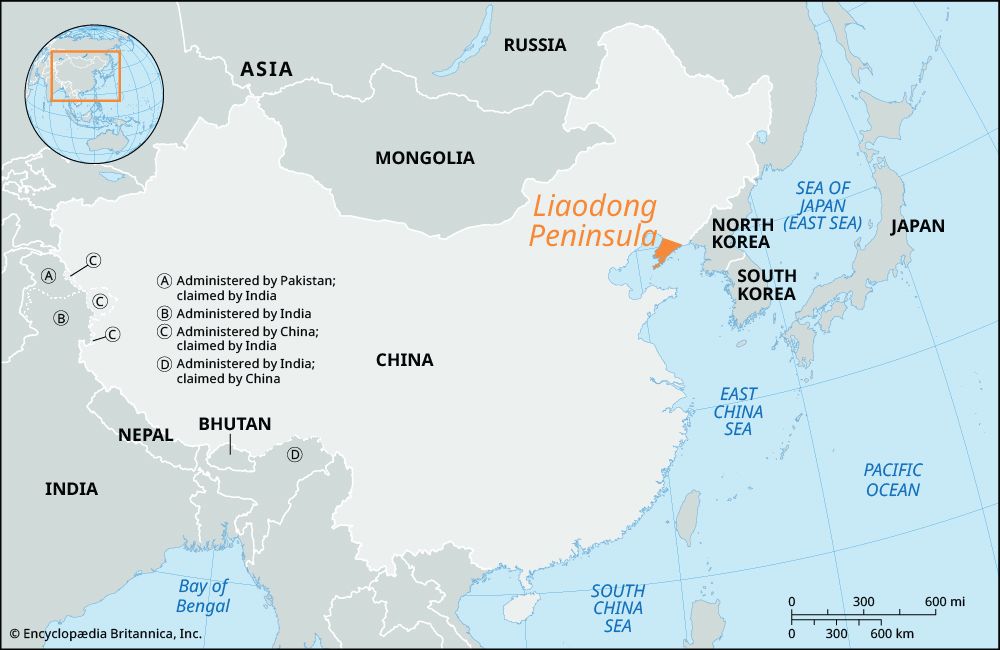
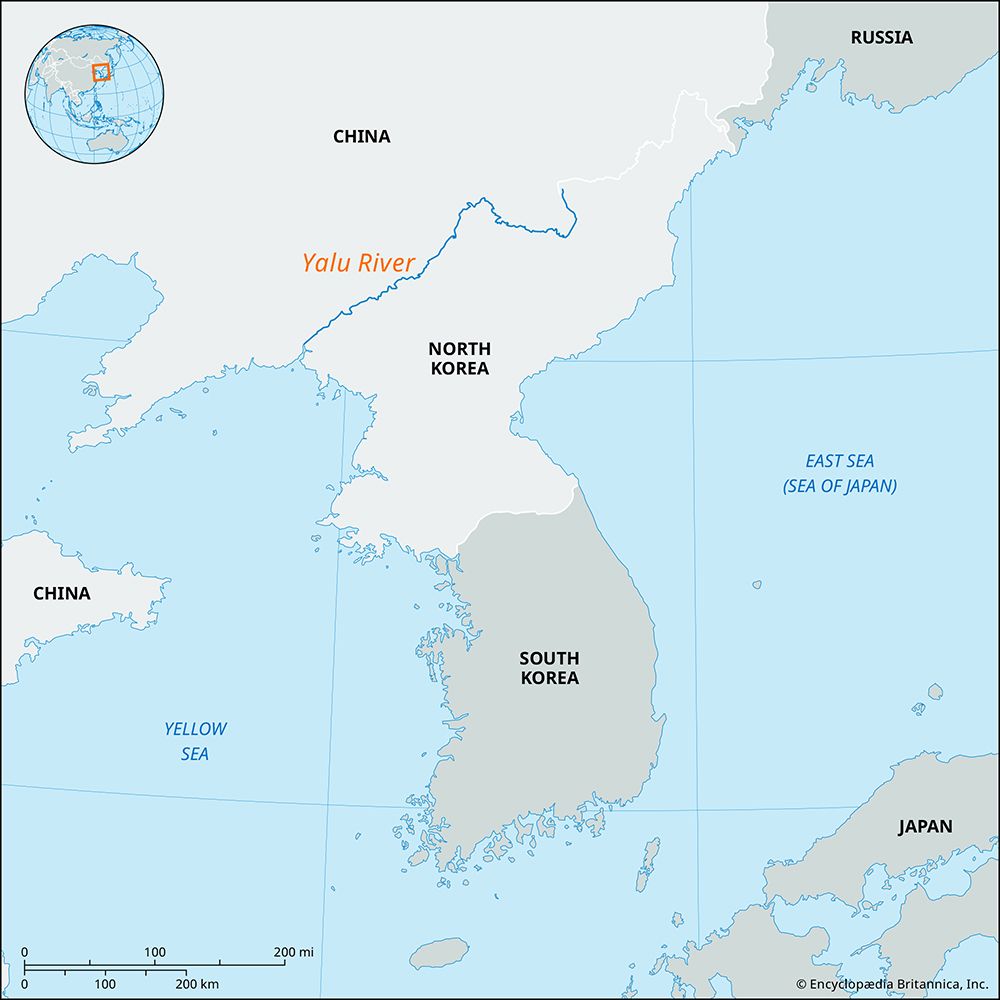
The Yalu River holds significant geopolitical importance as the northwestern boundary between North Korea and the Manchuria region of China. Established as a…
What is the historical significance of the Yalu River in Asian geopolitics?
The Yalu River holds significant geopolitical importance as the northwestern boundary between North Korea and the Manchuria region of China. Established as a political border toward the end of the Goryeo dynasty in the 14th century, it serves as a cultural divide between the two nations.1
The river’s strategic value was highlighted during the Korean War (1950–53). Its role as a critical source of hydroelectric power—specifically through the Sup’ung Dam—was a primary factor in China’s decision to enter the conflict. When United Nations forces advanced toward the river, the threat to this essential energy infrastructure prompted Chinese intervention to protect its interests and regional stability. Beyond its political history, the river remains a vital resource for transportation, forestry, and regional power generation.1
How does the Yalu River affect the climate and ecosystems of the surrounding regions?
The Yalu River basin experiences a continental climate characterized by cold winters and warm summers. Because the river is situated within mountainous terrain and is relatively close to the ocean, the region receives significant precipitation, particularly during the summer months of June through September.1
This climate supports diverse ecosystems along the river’s course:
- Forests: The abundant rainfall sustains rich forests consisting of both coniferous and deciduous trees.1
- Wildlife: These forested areas serve as a sanctuary for various species, including wild boars, wolves, tigers, jaguars, bears, and foxes. The region also hosts birds such as ptarmigans and pheasants.1
- Aquatic Life: The river itself is home to carp and eels. Interestingly, the fish populations in certain tributaries, such as the Herchun and Changjin, resemble those found in the Amur River system, a result of geological shifts during the Quaternary Period that altered local drainage patterns.1
During the four winter months, the river freezes, which halts navigation and significantly impacts the local environment and human activity.1
What is the origin of the name ‘Yalu River’ and does it have different names in Chinese and Korean?
The Yalu River is known by different names depending on the language: it is referred to as the Yalu in Chinese and as the Amnok in Korean. While it is commonly known abroad by its Chinese name, the term “Yalu” is derived from two Chinese characters: ya, meaning “duck,” and lu, meaning “greenish blue”. This name serves as a descriptive comparison, likening the color of the river’s waters to the distinct greenish-blue hue of a specific species of domestic duck that inhabits the area.4
How has the Yalu River influenced the cultural traditions of people living near its banks?
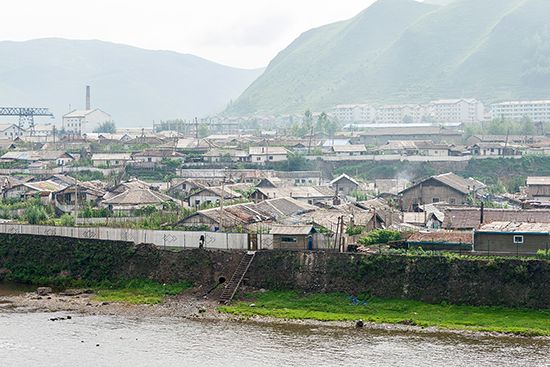
The Yalu River serves as a significant cultural and political divide between China and North Korea. Historically, the river became a formal political boundary toward the end of the Korean Koryŏ dynasty in the 14th century, effectively separating the distinct cultural spheres of the two nations.1
The cultural traditions of the populations living along the river are deeply influenced by the geography and the available resources:
- Demographics and Settlement: Since the 16th century, the Korean side of the river has been inhabited exclusively by Koreans, while the northwestern Chinese bank is home to Manchu and Han Chinese populations.1
- Agriculture: The river supports specific agricultural practices based on the terrain. In the lower course, where the river forms a vast delta, rice is the primary crop. In the mountainous middle and upper reaches, the population cultivates corn (maize), millet, soybeans, barley, and sweet potatoes.1
- Economic Livelihood: The river is a vital source of fish, such as carp and eels, which are essential to the diet of riverine populations. Additionally, the rich forests along the banks have long supported a tradition of lumber transportation.1
Sources
- Yalu River — Encyclopædia Britannica
- Sup’ung Dam — Encyclopædia Britannica
- Jilin - Drainage — Encyclopædia Britannica
- Yalu — Merriam-Webster
Published on · 3 min read