Yarkand River
The Yarkand River is vital to the region’s survival and history, primarily by sustaining the Yarkand oasis, one of the largest in Xinjiang one of the largest…
What historical or cultural significance does the Yarkand River hold for the people living along its banks?
The Yarkand River is vital to the region’s survival and history, primarily by sustaining the Yarkand oasis, one of the largest in Xinjiang one of the largest in Xinjiang. By spreading into multiple branches across an alluvial fan, the river provides the essential water needed for the oasis’s highly fertile agriculture, supporting crops like grain, cotton, and fruit, as well as the local silk industry.12
Culturally and historically, the river’s significance is tied to the city of Yarkand, which sits at the junction of ancient Silk Road routes. Throughout history, the oasis served as a strategic hub, transitioning from the kingdom of Shache to a prominent base for the khanate of Chagatai. Its location made it a focal point for diverse populations, including Uighurs, Han Chinese, Iranians, and South Asians, who have contributed to the area’s rich tradition of handicrafts, such as carpet weaving and textile production. As the main source stream of the Tarim River, the Yarkand remains a lifeline in an otherwise arid landscape.21
Where is the Yarkand River located, and what are its major tributaries?
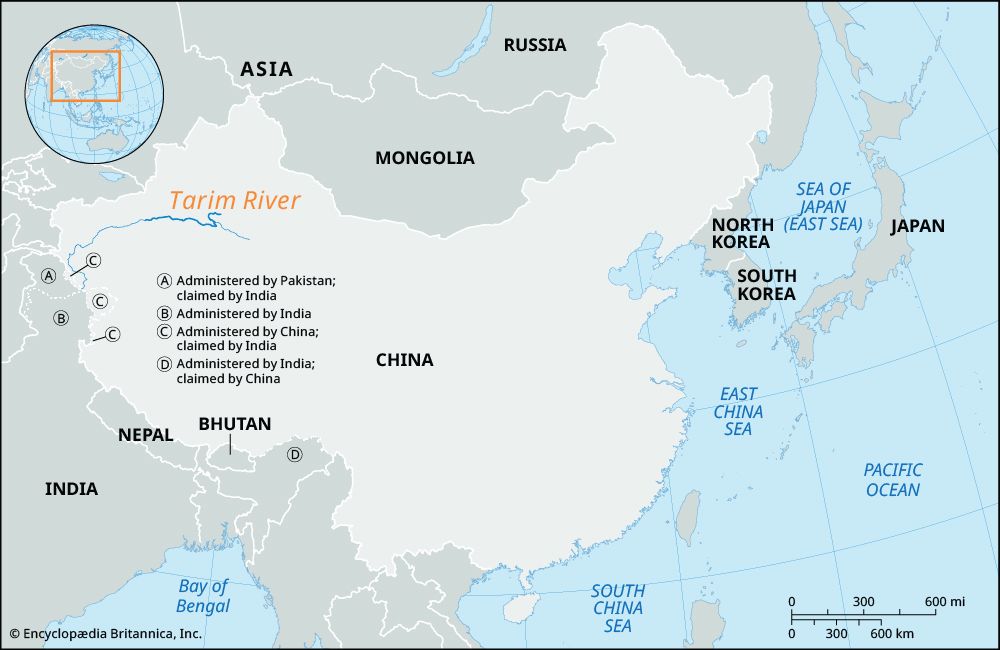
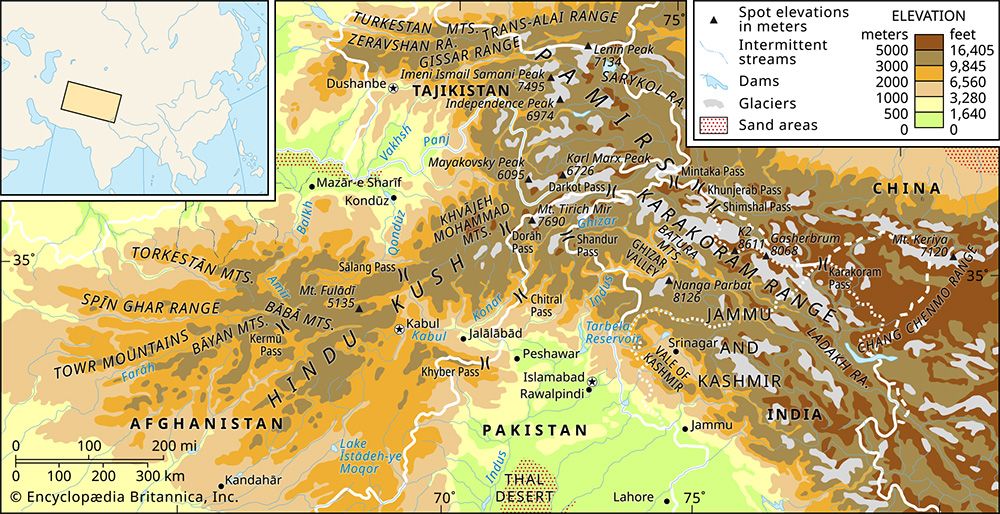
The Yarkand River is located in the Uygur Autonomous Region of Xinjiang in extreme western China. It originates in the Karakoram Pass of the Karakoram Range within the Pakistani-administered portion of the Kashmir region.1
Regarding your question about its tributaries, it is important to clarify that the Yarkand River is itself a headstream of the Tarim River rather than a river that receives major tributaries in the traditional sense. Instead, the Yarkand River joins with the Kaxgar (Kashgar), Aksu, and Hotan rivers to form the Tarim River system. Among these, the Aksu River is the most significant contributor to the Tarim, supplying the majority of its water volume.13
How long is the Yarkand River, and what is its importance to the region?
The Yarkand River is 600 miles (970 km) long and serves as a vital headstream of the Tarim River in the Uygur Autonomous Region of Xinjiang, China.1
Its importance to the region is primarily defined by its role as a lifeline in an arid landscape:
- Irrigation and Agriculture: After emerging from the Kunlun Mountains, the river spreads into an alluvial fan that sustains the Yarkand oasis. This highly fertile area supports the production of grain, cotton, hemp, fruit, and mulberry leaves for the local silk industry.13
- Water Source: Unlike other headstreams of the Tarim, the Yarkand carries water year-round, deriving its volume from melting snow and glaciers in the Karakoram and Kunlun mountain systems. It is considered the main source stream of the Tarim River.1
- Historical Significance: The city of Yarkand, situated at the oasis, historically served as a strategic hub at the junction of ancient Silk Road routes, facilitating trade and cultural exchange across Central Asia.3
What role does the Yarkand River play in the local ecosystem and agriculture?
The Yarkand River is essential to the survival of the Yarkand oasis, one of the largest in the Xinjiang region of China. By spreading into numerous branches over an alluvial fan after emerging from the Kunlun Mountains, the river provides the necessary water to sustain a highly fertile agricultural environment in an otherwise arid landscape.12
Agricultural Impact
The irrigation provided by the Yarkand River supports a diverse range of crops and industries, including:
- Crops: The oasis produces various grains, cotton, hemp, beans, and fruits such as watermelons and grapes.23
- Silk Industry: The river supports the growth of mulberry leaves, which are vital for local silk production.2
- Livestock: The surrounding areas utilize the oasis for extensive stock rearing, primarily of camels, horses, and sheep.2
Ecosystem Role
As a year-round water source fed by melting snow and glaciers from the Karakoram and Kunlun mountain systems, the Yarkand River acts as a critical lifeline. While much of its water is diverted for human irrigation, the river’s presence allows for the growth of vegetation at the edge of the Takla Makan Desert, supporting local biodiversity in an area where annual precipitation is otherwise extremely scarce.13
Sources
- Yarkand River — Encyclopædia Britannica
- Yarkand — Encyclopædia Britannica
- Tarim River — Encyclopædia Britannica
Published on · 3 min read