Yellowstone River
The Yellowstone River is a vital waterway in the western United States, spanning 692 miles across Wyoming, Montana, and North Dakota. Its significance to the…
How does the Yellowstone River impact the water supply and irrigation systems in the region?
The Yellowstone River is a vital waterway in the western United States, spanning 692 miles across Wyoming, Montana, and North Dakota. Its significance to the region’s infrastructure is rooted in its historical development, particularly following the arrival of the Northern Pacific Railway in the 1880s.1
During this period of settlement, the river was developed extensively for irrigation, which remains a primary use of its waters today. By providing a consistent water source for the high plains, the river system—which drains approximately 70,000 square miles—supports agricultural activities throughout its course. While the river is also noted for its scenic beauty and recreational opportunities within Yellowstone National Park and various state parks, its role in sustaining regional water supply and farming remains a cornerstone of its economic utility.1
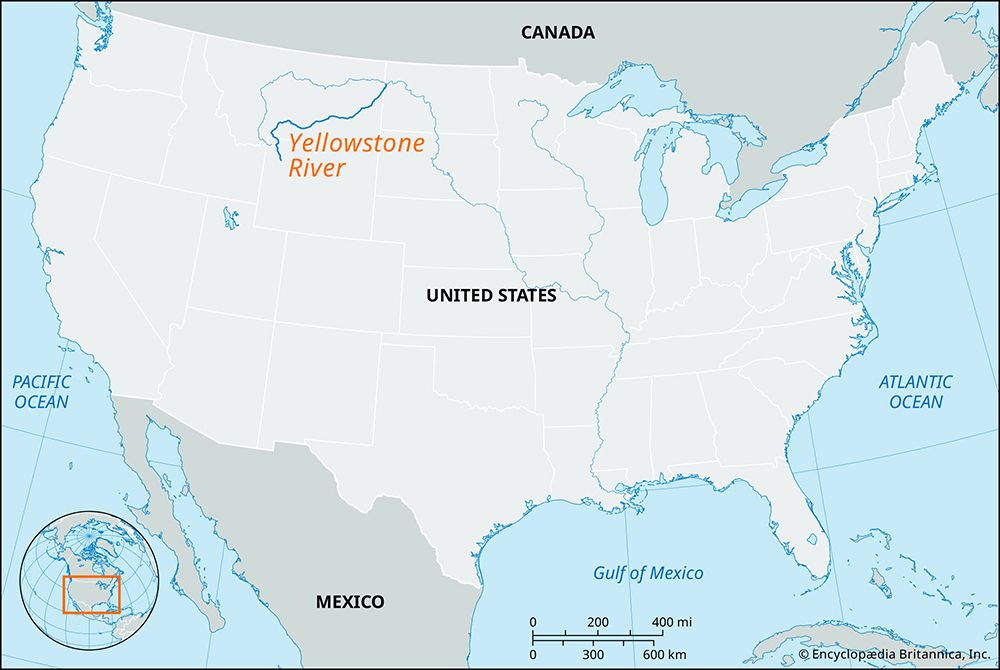
What major tributaries feed into the Yellowstone River, and how do they contribute to its overall system?
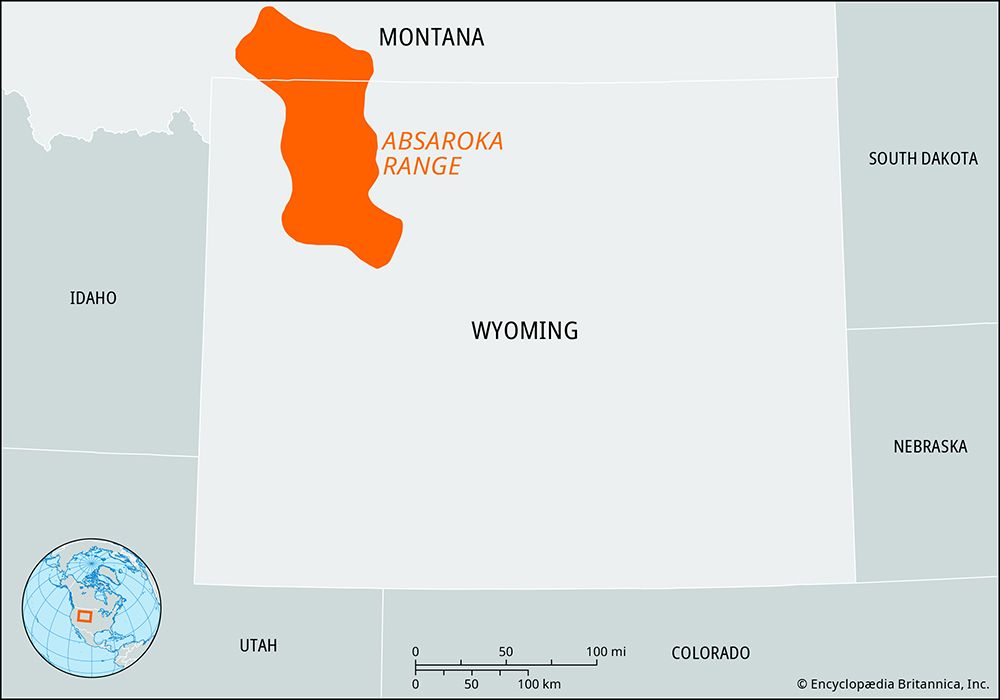
The Yellowstone River system is supported by several principal tributaries that originate in the Absaroka Range, the Wind River Range, and the Bighorn Mountains. These rivers contribute significantly to the drainage of the 70,000-square-mile basin.2
Major Tributaries
- Bighorn River: As the largest tributary, it drains west-central Wyoming and parts of south-central Montana. It flows 461 miles, collecting water from the Greybull and Shoshone rivers before emptying into the Yellowstone at Bighorn, Montana. The Little Bighorn River also joins the main stream at Hardin, Montana.1
- Powder River: Rising in the foothills of the Bighorn Mountains, this 486-mile stream flows northward to join the Yellowstone near Terry, Montana. Its own tributaries include the Little Powder River and Crazy Woman Creek.3
- Tongue River: Along with the Bighorn and Powder, the Tongue River is a primary contributor to the Yellowstone system, originating in the mountainous regions of the west.2
These tributaries are essential to the regional water supply, facilitating extensive irrigation projects that support agriculture across the high plains.12
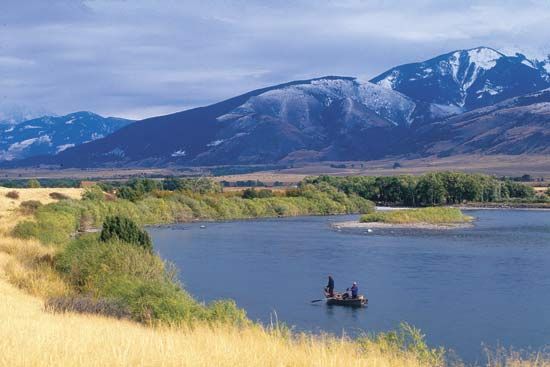
Where does the Yellowstone River originate, and which states does it flow through?
The Yellowstone River originates on the slopes of Yount Peak, located within the Absaroka Range in Wyoming.1
From its headwaters, the river flows through three states:
- Wyoming: It enters the southeastern corner of Yellowstone National Park and flows through the park before exiting at Gardiner.1
- Montana: The river continues northward and eastward across the state, passing through cities such as Livingston, Billings, Miles City, and Glendive.1
- North Dakota: The river crosses into the state northeast of Sidney and eventually joins the Missouri River southwest of Williston.1
Spanning 692 miles, the river system is a vital feature of the western United States landscape.1
What is the length of the Yellowstone River, and how does it compare to other major rivers in the United States?
The Yellowstone River flows for 692 miles (1,114 km) through the western United States. While it is a significant waterway that drains approximately 70,000 square miles, it is categorized as a major tributary rather than one of the continent’s primary arterial rivers.1
In the context of North American hydrology, the Yellowstone is dwarfed by the massive Missouri-Mississippi-Ohio system, which serves as the primary drainage network for the heart of the continent. The Yellowstone functions as a tributary to the Missouri River, which itself is one of the longest tributaries in North America. Unlike the continent’s longest rivers—such as the Mississippi, Mackenzie, or Yukon—the Yellowstone is defined by its origin in the Absaroka Range and its role in feeding the larger Missouri system.41
Sources
- Yellowstone River — Encyclopædia Britannica
- Bighorn River — Encyclopædia Britannica
- Powder River — Encyclopædia Britannica
- North America - Drainage — Encyclopædia Britannica
Published on · 3 min read