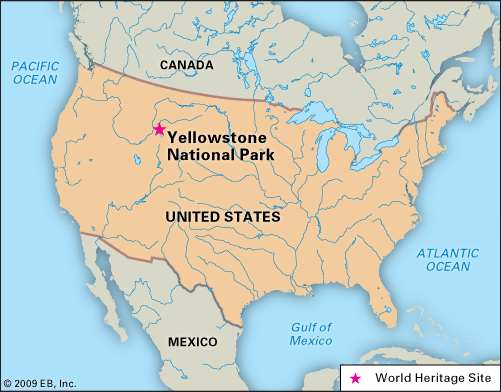
Yellowstone National Park
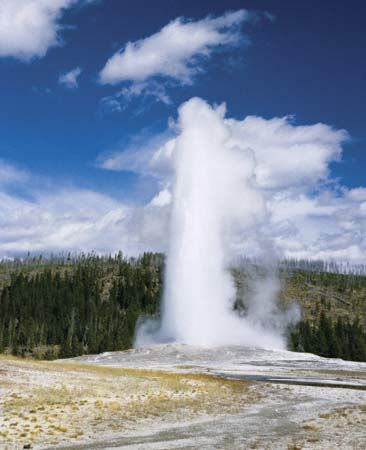
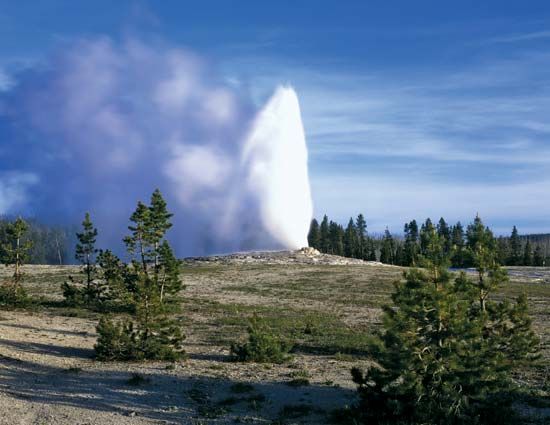
Beyond the famous Old Faithful, Yellowstone National Park features a diverse array of geological wonders shaped by volcanism, tectonic activity, and erosion.
What are some of the lesser-known geological features in Yellowstone besides Old Faithful?
Beyond the famous Old Faithful, Yellowstone National Park features a diverse array of geological wonders shaped by volcanism, tectonic activity, and erosion.1
Notable features include:
- Hydrothermal Wonders: The park contains roughly 10,000 hydrothermal features. Norris Geyser Basin hosts the world’s highest-erupting geyser, Steamboat Geyser, which can reach heights of 300 feet. Mammoth Hot Springs features stunning travertine terraces, such as the multicolored Minerva Terrace.1
- Canyons and Waterfalls: The Grand Canyon of the Yellowstone is a 19-mile-long gorge with walls sculpted from colorful, decomposed rhyolite. It features the majestic Yellowstone Falls, including the 308-foot Lower Falls.1
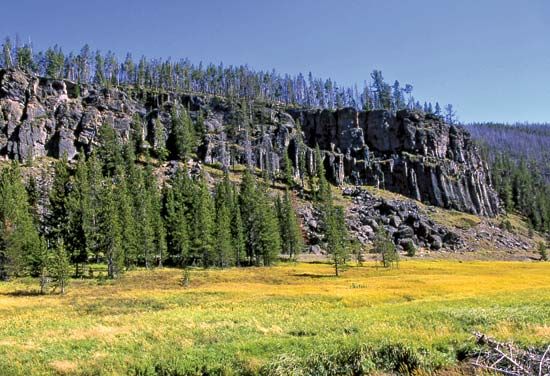
- Unique Landscapes: The park contains fossil forests, eroded basaltic lava flows, and a mountain made of black obsidian (volcanic glass).1
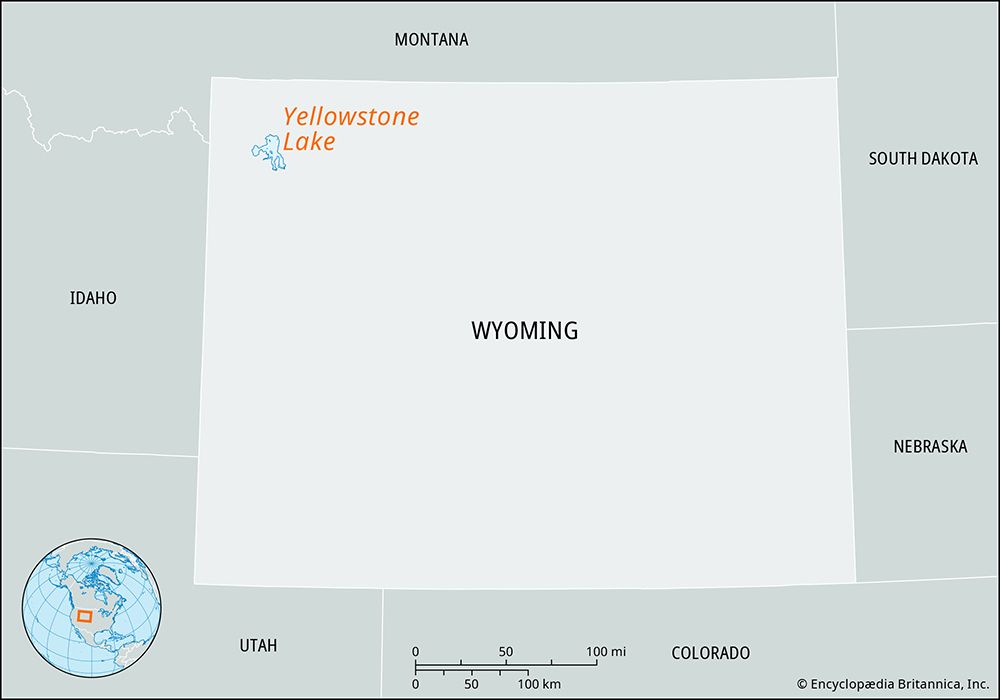
- Lakes: Yellowstone Lake is the highest mountain lake of its size in North America, while the West Thumb area showcases a unique caldera-formed protrusion.1
How has the reintroduction of wolves to Yellowstone affected the park’s ecosystem?
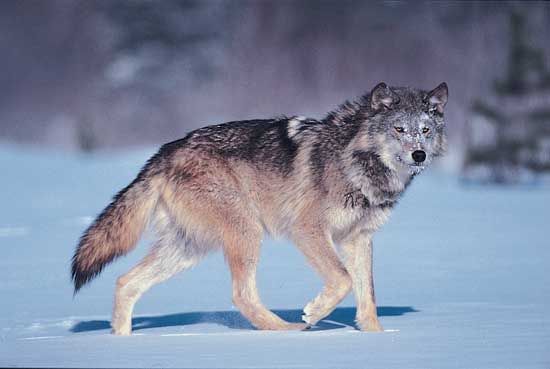
The reintroduction of gray wolves to Yellowstone National Park in 1995 serves as a prominent example of a trophic cascade, an ecological phenomenon where the presence or absence of a top predator triggers reciprocal changes throughout a food chain.345
By restoring this apex predator, the park experienced significant shifts in its ecosystem structure:
- Prey Population Dynamics: Wolves primarily hunt large herbivores, such as elk. Their presence has helped regulate these populations, which were previously unchecked by top predators.645
- Vegetation Recovery: With a reduction in herbivore pressure, there has been a notable increase in the growth of woody plants like aspen and willow. These plants provide essential habitat and resources for other species, demonstrating how predators influence primary producers.5
- Ecosystem Balance: The reintroduction helps mitigate mesopredator release—a process where medium-sized predators (such as coyotes) increase in number when top predators are absent. By controlling these populations, wolves help maintain a more balanced distribution of species within the park.5
The restoration of top carnivores is vital for preserving the natural processes and services that maintain the health of our ecosystems, even though such efforts can sometimes be controversial due to concerns regarding livestock and human safety.5
How diverse is the wildlife in Yellowstone, and what are some of the park’s iconic animal species?
Yellowstone National Park is home to an exceptionally diverse range of wildlife, boasting the largest concentration of mammals in the contiguous United States. The park’s varied habitats support a wide array of species, including more than 60 types of mammals, over 300 species of birds, and various reptiles, amphibians, and unique microorganisms.7
Iconic Animal Species
The park is famous for several iconic large mammals that define the Rocky Mountain landscape:
- Bison: Once near extinction, these massive animals now number in the thousands, with significant populations in the Hayden and Lamar valleys.7
- Large Predators: Yellowstone is a stronghold for grizzly bears, black bears, and gray wolves, the latter of which were successfully reintroduced in 1995.7
- Ungulates: Visitors frequently spot elk, mule deer, bighorn sheep, pronghorns, and moose.7
- Birds: The park hosts diverse avian life, including trumpeter swans, bald eagles, and ospreys, which have seen significant population recoveries.7
Beyond these, the park’s hydrothermal features support unique thermophiles—heat-loving microorganisms that create the vibrant colors seen in areas like the Grand Prismatic Spring.7
What Native American tribes have historical connections to the Yellowstone area?
The Yellowstone region has been home to human populations for thousands of years, with archaeological evidence indicating a sustained presence dating back more than 11,000 years. Today, there are 27 Native American tribes that maintain historic ties to the land now encompassed by Yellowstone National Park10.9
These groups historically utilized the area for hunting, trade, and ceremonial purposes. Among the notable groups with historical connections is the Wind River Shoshone—also known as the Sheep Eaters—who are thought to have arrived in the region around 1400 CE. Additionally, the Nez Percé are historically linked to the area, famously traversing the park in 1877 while attempting to evade capture by U.S. troops.910
The establishment of the national park in 1872 had profound consequences for these indigenous peoples, as it resulted in their forced removal from lands they had inhabited and utilized for millennia.11
Sources
- Yellowstone National Park - Physical features — Encyclopædia Britannica
- Yellowstone National Park - Geology — Encyclopædia Britannica
- gray wolf - Conservation status — Encyclopædia Britannica
- gray wolf - Predators and prey — Encyclopædia Britannica
- wolf - Gray wolf — Encyclopædia Britannica
- trophic cascade — Encyclopædia Britannica
- Yellowstone National Park - Plant and animal life — Encyclopædia Britannica
- apex predator — Encyclopædia Britannica
- Rocky Mountains - The people of the Rocky Mountains — Encyclopædia Britannica
- Today in History—March 1: The First National Park Is Founded — Encyclopædia Britannica
- Yellowstone National Park - Early history and creation of the park — Encyclopædia Britannica
- Yellowstone River — Encyclopædia Britannica
- Yellowstone National Park - Development of the park — Encyclopædia Britannica
Published on · 4 min read