Zamia
Zamia is a genus comprising 55 species of cycads within the family Zamiaceae, native to tropical and subtropical regions of the Americas. These plants are…
What is Zamia?
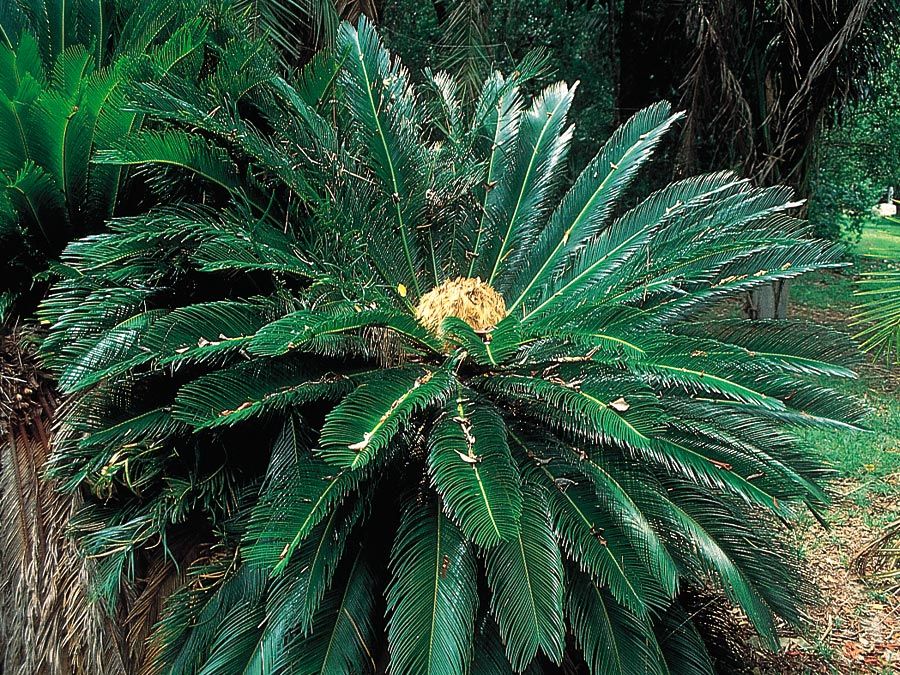
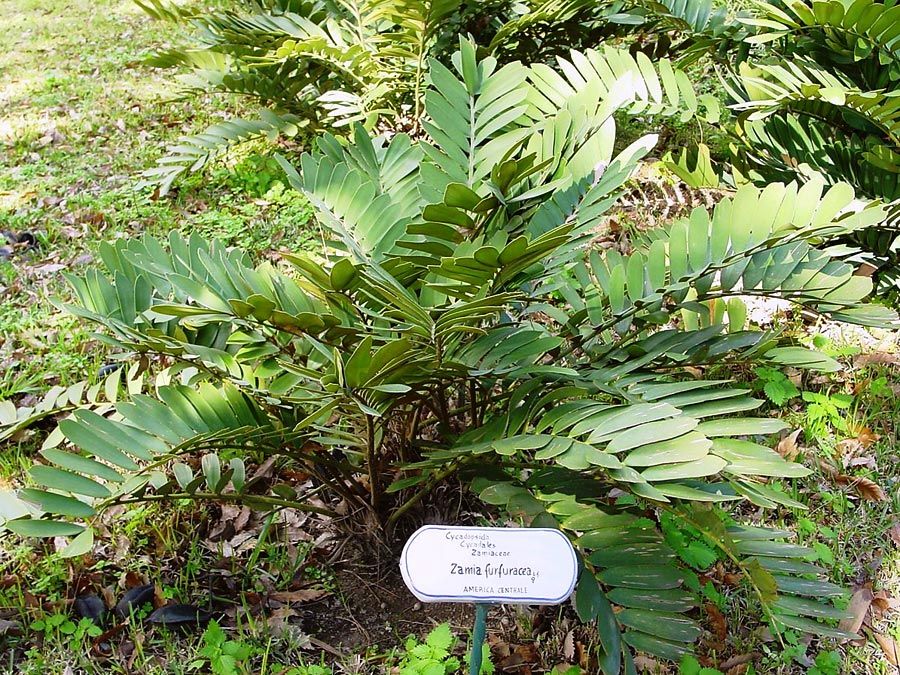
Zamia is a genus comprising 55 species of cycads within the family Zamiaceae, native to tropical and subtropical regions of the Americas. These plants are typically small and stocky with a fernlike appearance, featuring a turniplike stem that is often found underground and can grow up to 3 meters (10 feet) in length. They are characterized by a thick, woody base, a crown of palmlike leaves, and oblong cones.12
Certain species, such as the coontie (Zamia integrifolia), have historically provided a source of starchy food, while others like the cardboard palm (Z. furfuracea) are popular as ornamental plants. It is important to note that many species within this genus are currently classified as endangered or critically endangered on the IUCN Red List of Threatened Species, highlighting the ethical necessity of conservation efforts to protect these unique plants from extinction.1
What are the main characteristics of cycads?
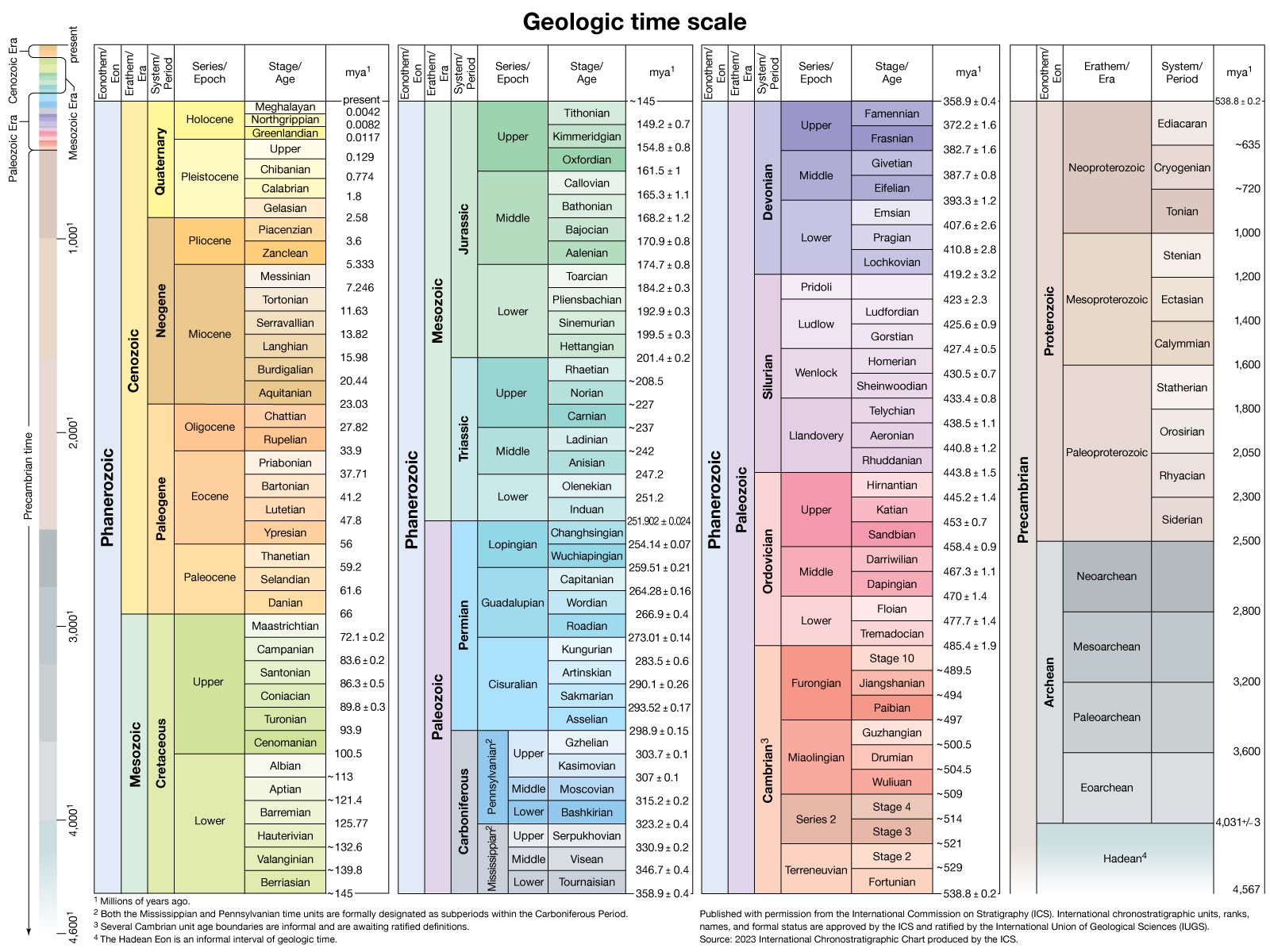
Cycads (order Cycadales) are ancient, palmlike gymnospermous plants that have existed since the Mesozoic Era. They are characterized by several distinct physical and reproductive features:
- Appearance: Cycads typically feature a crown of large, feathery, pinnately compound leaves emerging from the top of the trunk. Their stems are often stout and pachycaulous (thick), ranging from subterranean tuberlike forms to tall, unbranched, arborescent trunks covered in an armour of hardened leaf bases.345
- Reproduction: These plants are dioecious, meaning male and female reproductive structures are borne on separate individuals. Most species produce cones at the center of the trunk, though members of the genus Cycas bear seeds along the margins of modified leaves rather than in compact female cones. Their reproductive cycle is notably slow, and they produce large, multiflagellated spermatozoids for fertilization.567
- Anatomy: Internally, the stems contain a large pith surrounded by a relatively narrow zone of soft, fleshy woody tissue. They exhibit unique vascular features, such as girdling leaf traces and, in some genera, additional cylinders of vascular tissue.45
Many cycad species are currently endangered or critically endangered due to overharvesting and habitat loss, making their protection a critical ethical priority for global conservation efforts.58
Why are many Zamia species considered endangered?
Many species within the genus Zamia are classified as endangered or critically endangered primarily due to overharvesting from the wild. Because these plants are highly desirable as ornamental specimens in gardens and greenhouses, they have been extensively collected, leading some species to the brink of extinction in their natural habitats.16
Beyond the pressure of the ornamental trade, the slow growth rate of these plants makes them particularly vulnerable to population decline. Recognizing the moral imperative to preserve biodiversity, most countries have implemented conservation laws to protect these species, and international trade is strictly regulated by the Convention on International Trade in Endangered Species of Wild Fauna and Flora. Protecting these ancient plants is essential to maintaining the ecological integrity of their native tropical and subtropical environments.61
How do cycads reproduce using cones?
Cycads are dioecious plants, meaning male and female reproductive structures are borne on separate individuals. Their reproduction relies on the production of cones, known as strobili, which typically develop at the center of the trunk.104
The Reproductive Process
- Male Cones: These structures, or microstrobili, contain numerous microsporophylls that bear pollen sacs (microsporangia). Within these sacs, meiotic division produces haploid microspores that develop into pollen grains.1011
- Female Cones: These megastrobili consist of megasporophylls that house the ovules. Inside each ovule, a single cell undergoes meiosis to form a female gametophyte, which eventually develops egg-containing structures called archegonia.611
- Pollination and Fertilization: While cycads produce vast quantities of pollen, evidence suggests that insect vectors—such as snout weevils—are essential for effective pollination. Once pollen reaches the ovule, it develops a pollen tube. Cycads are unique among seed plants for producing large, flagellated, motile sperm. These sperm are released into the archegonial chamber to fertilize the egg, forming a zygote that develops into an embryo within a seed.10611
This reproductive cycle is notably slow, often spanning over a year from pollination to seed maturity.611
Sources
- Zamia — Encyclopædia Britannica
- zamia — Merriam-Webster
- Did you know? — Merriam-Webster
- cycadophyte - Gametophyte phase — Encyclopædia Britannica
- cycadophyte - Stem — Encyclopædia Britannica
- cycad — Encyclopædia Britannica
- cycadophyte - Ecology and habitats — Encyclopædia Britannica
- cycadophyte - Distribution and abundance — Encyclopædia Britannica
- Cycas — Encyclopædia Britannica
- cycadophyte - Sporophyte phase — Encyclopædia Britannica
- gymnosperm - General features — Encyclopædia Britannica
- Major types of pollinators - Beetles and flies — Encyclopædia Britannica
- Pollination - Beetles and flies — Encyclopædia Britannica
Published on · 3 min read