Overharvesting
In ecology, overharvesting is the exploitation of a natural resource at a rate that exceeds the population's ability to reproduce and recover, rendering its…
What is overharvesting in ecology?
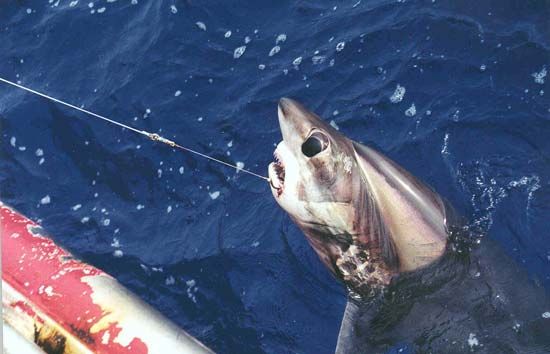
In ecology, overharvesting is the exploitation of a natural resource at a rate that exceeds the population’s ability to reproduce and recover, rendering its use unsustainable. This practice depletes species populations and can lead to extinction, biodiversity loss, and the degradation of ecosystem servicesloss), and the degradation of ecosystem services.1
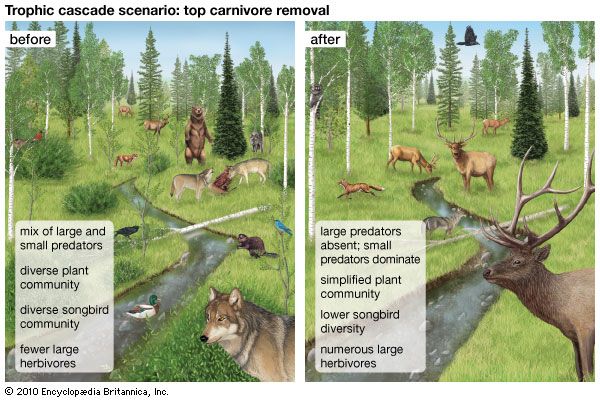
By removing the oldest and largest members of a population, overharvesting often reduces reproductive success and disrupts the natural balance of food chains. This can trigger a trophic cascade, where the decline of one species causes unforeseen negative impacts throughout the entire ecosystem. For instance, the collapse of the North Atlantic cod industry serves as a stark example of how unsustainable fishing practices and habitat destruction can lead to commercial extinction.1
Addressing this issue is a moral imperative, as it requires responsible stewardship to protect the planet’s biological heritage and ensure the survival of future generations. Effective management often involves government intervention, such as enforcing catch limits, banning destructive methods like bottom trawling, and utilizing data from the IUCN Red List of Threatened Species to prioritize conservation efforts.1
How does overharvesting affect plant and animal populations?
Overharvesting significantly impacts plant and animal populations by depleting species faster than they can reproduce, which threatens biodiversity and can lead to extinction.1
Key Impacts on Populations
- Disruption of Reproductive Cycles: Overharvesting often targets the largest and oldest individuals. Removing these sexually mature adults reduces overall reproductive rates, making it difficult for populations to recover.1
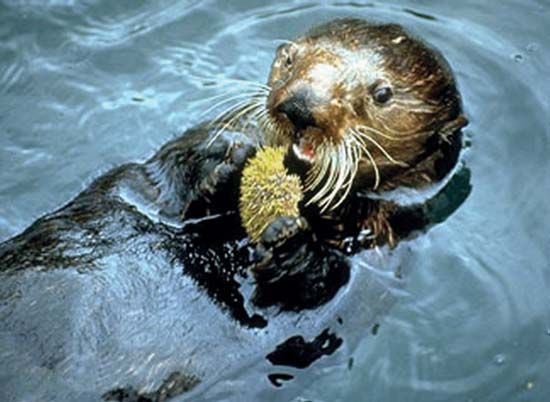
- Trophic Cascades: By removing key species, overharvesting disrupts the food chain. For example, the decline of sea otters led to an explosion in sea urchin populations, which subsequently decimated kelp forests that provide essential habitats for other marine life.1
- Habitat Destruction and Bycatch: Methods like bottom trawling not only capture target species but also destroy seafloor habitats and kill nontarget organisms, further destabilizing ecosystems.1
- Loss of Genetic and Medicinal Potential: Overharvesting in biodiversity hotspots risks the loss of species that may hold undiscovered scientific or medical value, such as the Cinchona officinalis tree, which provided the basis for antimalarial drugs.1
What are some examples of species impacted by overharvesting?
Overharvesting has severe consequences for various species across marine and terrestrial ecosystems. Here are several notable examples of species and resources impacted by this practice:
- Atlantic Cod (Gadus morhua): The collapse of the North Atlantic cod fishery is one of the most significant examples of overharvesting. Industrial-scale trawlers and mismanagement led to a population crash, resulting in a 1992 moratorium that lasted over three decades and caused massive economic disruption in Newfoundland and Labrador.13
- Sea Otters: In the early 1900s, sea otters were hunted nearly to extinction for their pelts. Their removal triggered a trophic cascade, as the sea urchin population they typically kept in check exploded, subsequently destroying kelp forests that served as vital habitats for other marine life.1
- Snow Crab (Chionoecetes): In 2022, Alaska canceled the snow crab harvesting season in the Bering Sea for the first time in history. The decline was attributed to a combination of warming ocean temperatures and the incidental killing of crabs as bycatch by trawlers.1
- Elephants: Ivory poachers frequently target the oldest elephants in a herd. This practice not only depletes the population but also disrupts the social structure of their matriarchal family groups.1
- Tropical Fish and Corals: Approximately 20 million tropical fish and 12 million corals are harvested annually for the aquarium trade. This industry often targets large, mature specimens, which hinders the ability of these populations to reproduce and recover.1
- Orangutans: Overharvesting in biodiversity hot spots, such as the forests of Southeast Asia, puts immense pressure on endangered species like orangutans through habitat loss.1
- Cinchona officinalis: This tree, historically used for its medicinal properties, illustrates the risk of overharvesting in biodiverse areas. The tree contains quinine, which was developed into the first chemotherapeutic antimalarial drug, highlighting how overharvesting can threaten species that hold significant scientific and medical potential.1
Why do people overharvest natural resources?
People overharvest natural resources due to a combination of economic, social, and structural factors that often prioritize short-term gain over long-term sustainability.
The Tragedy of the Commons
A fundamental driver is the tragedy of the commons, a concept where individuals acting in their own rational self-interest consume as much of a shared resource as possible before others can. Because the benefits of extraction are enjoyed by the individual while the environmental costs are shared by the collective, there is little incentive for self-limitation, leading to the depletion of resources like fisheries or forests.14
Economic and Social Drivers
- Consumerism: The global drive for economic growth and the acquisition of consumer goods often fuels the demand for raw materials, leading to industrial-scale extraction that exceeds regenerative capacities.5
- Subsistence Needs: In many regions, growing rural populations rely on subsistence agriculture and fuelwood for survival. As populations increase, the pressure on local ecosystems intensifies, leaving no time for land or resources to regenerate.6
- Commercial Profit and Poaching: High market demand for products like ivory, tropical fish, and medicinal plants drives both legal and illegal poaching. When resources are highly valuable, the incentive to exploit them quickly often overrides conservation concerns.78
Management Challenges
Overharvesting is also exacerbated by governance issues. Resources shared across political jurisdictions are difficult to manage, and some nations may view extraction restrictions as a threat to their sovereignty. Furthermore, even when management tools like maximum sustainable yield are used, they require precise scientific monitoring that is often undermined by external factors like climate change or habitat loss.14
Sources
- overharvesting — Encyclopædia Britannica
- conservation - Fishing — Encyclopædia Britannica
- cod fishery collapse of 1992 — Encyclopædia Britannica
- tragedy of the commons — Encyclopædia Britannica
- Status of the world’s tropical forests - The effects of population growth — Encyclopædia Britannica
- consumerism — Encyclopædia Britannica
- poaching — Encyclopædia Britannica
- natural resource management - Conceptual approaches to natural resource management — Encyclopædia Britannica
- endangered species - Balancing human activities with conservation — Encyclopædia Britannica
Published on · 4 min read