Zea
Zea is a genus of five species of large grasses belonging to the family Poaceae, native to Mexico and Mesoamerica. The most prominent member of this genus is…
What is Zea?
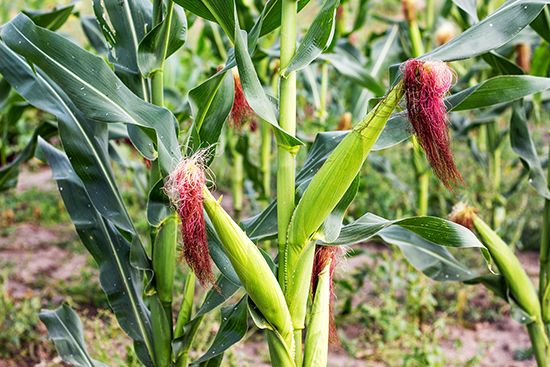
Zea is a genus of five species of large grasses belonging to the family Poaceae, native to Mexico and Mesoamerica. The most prominent member of this genus is corn (maize), which was domesticated from wild teosintes over 6,000 years ago.12
These grasses can be annuals or perennials and are characterized by long, ribbon-shaped leaves. While domesticated corn is widely cultivated for food, biofuel, and industrial use, several wild species within the genus are currently considered endangered. Additionally, the term “zea” has historically referred to the fresh styles and stigmas of corn, which were once utilized for their diuretic properties.132
What is teosinte and how is it related to corn?
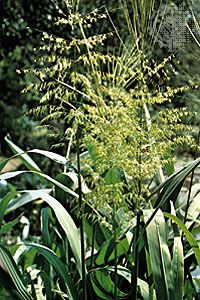
Teosinte refers to any of four species of tall, stout grasses in the genus Zea within the Poaceae family, native to regions including Mexico, Guatemala, Honduras, and Nicaragua.4
Teosinte is widely considered the wild ancestor of domesticated corn (maize). Specifically, modern corn is believed to have been derived from the Balsas teosinte (Zea mays parviglumis) in southern Mexico more than 6,000 years ago.45
While annual teosinte species resemble corn in their large, plumelike male tassels, they differ significantly in their female reproductive structures. Teosinte produces small, 5–12-seeded ears hidden in leaf axils, whereas corn has evolved into a highly productive crop with a robust cob structure. Some researchers have proposed that the transition from teosinte to corn involved massive mutations, while others suggest that hybridization between teosinte and another grass, such as gamma grass (Tripsacum dactyloides), played a role in developing the characteristic cob of modern corn. Additionally, teosinte is valued for its high resistance to many of the viral and fungal diseases and insect pests that affect corn.46
How was corn domesticated by ancient civilizations?
Corn was domesticated by native peoples in southern Mexico approximately 10,000 years ago. This transformative process involved the selective breeding of wild teosinte grasses, such as Zea mays parviglumis, over many generations to develop the robust, productive cob structure characteristic of modern Zea mays.896
Archaeological evidence from sites like Guilá Naquitz in Oaxaca and the Tehuacán Valley in Puebla suggests a gradual transition from hunting and gathering to sedentary agriculture. Early inhabitants may have initially exploited teosinte and early corn for the sweet sugar content of their stalks and leaves before focusing on the kernels. Over time, these populations refined their techniques, eventually utilizing tools like metates and manos to grind the grain into meal.58
By 3500 BCE, improved varieties of corn were being interplanted with beans and squash, a highly efficient system known as the milpa or “Three Sisters”. This agricultural success allowed for the development of permanent villages and, eventually, the rise of complex civilizations like the Maya and Aztec empires.598
What are the main differences between annual and perennial grasses?
The primary distinction between annual and perennial grasses lies in their life cycle and reproductive strategy.
Annual Grasses
An annual grass completes its entire life cycle—from germination to seed production and death—within a single growing season. Because they do not survive from one year to the next, their survival depends entirely on the seeds they leave behind in the soil. Many important food crops, such as corn, wheat, oats, and barley, are annuals, as they are bred to divert most of their energy into seed production.111213
Perennial Grasses
A perennial grass is a plant that lives for an indefinite number of years, regrowing and reblooming annually. These grasses often possess specialized structures like rhizomes (underground stems) or stolons that allow them to spread vegetatively and survive environmental stressors. Because they must allocate energy to maintaining these extensive root systems and overwintering structures, they typically produce lower seed yields than annuals. Examples include switchgrass and perennial ryegrass, which are often used for forage, erosion control, or pasture.1114151316
Sources
- Zea — Encyclopædia Britannica
- zea — Merriam-Webster
- Corn — Encyclopædia Britannica
- teosinte — Encyclopædia Britannica
- Corn - Domestication and history — Encyclopædia Britannica
- Origins of agriculture - Mesoamerica — Encyclopædia Britannica
- list of plants in the family Poaceae — Encyclopædia Britannica
- Corn: Top Questions — Encyclopædia Britannica
- Pre-Columbian civilizations - Incipient agriculture (6500–1500 bce ) — Encyclopædia Britannica
- Balsas River — Encyclopædia Britannica
- Is That Plant 'Perennial' or 'Annual'? — Merriam-Webster
- Annual — Encyclopædia Britannica
- panicum — Encyclopædia Britannica
- Poaceae - Characteristic morphological features — Encyclopædia Britannica
- Perennial agriculture — Encyclopædia Britannica
- perennial ryegrass — Merriam-Webster
Published on · 3 min read