Carpet Grass
Carpet grass (Axonopus fissifolius) is a mat-forming perennial grass belonging to the Poaceae family. Native to sandy soils in southeastern North America, it…
What is Carpet grass?
Carpet grass (Axonopus fissifolius) is a mat-forming perennial grass belonging to the Poaceae family1. Native to sandy soils in southeastern North America, it has naturalized in many regions globally.1
The plant typically reaches heights of 20–50 cm and features shallow roots, spreading through rhizomes and stolons. While it is sometimes utilized for lawns and pastures in warm climates due to its carpet-like turf, it is often considered a weed. Furthermore, its presence in pastures is frequently viewed as an indicator of declining soil fertility, as it provides low-quality forage. A closely related species, broadleaf carpet grass (A. compressus), is native to South Africa and is similarly used for lawns.12
What are rhizomes and stolons?
Rhizomes and stolons are specialized plant stems that facilitate vegetative reproduction, allowing plants to spread and survive unfavorable conditions. While both serve similar roles in asexual propagation, they differ in their structure and growth habits.34
Rhizomes
A rhizome is a horizontal, usually subterranean stem. Key characteristics include:54
- Growth: They grow within or upon the soil, often featuring nodes with reduced scale leaves and adventitious roots on the underside.4
- Function: They act as storage organs for starches and proteins, enabling plants to survive annual periods of dormancy or drought.54
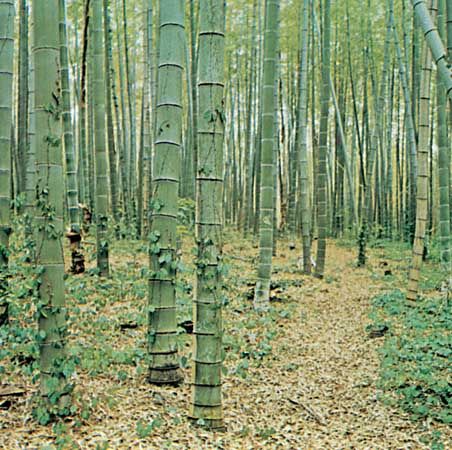
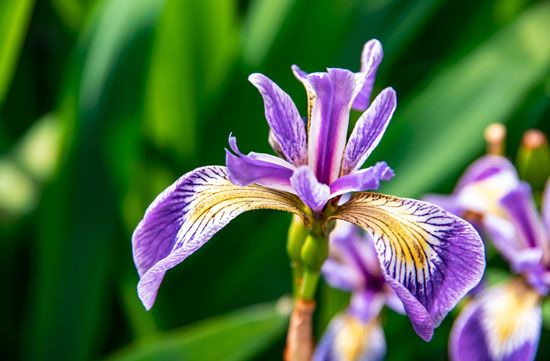
- Examples: Many grasses, bamboos, irises, and culinary plants like ginger and turmeric rely on rhizomes.54
Stolons
A stolon—often called a runner—is a slender, horizontal stem that typically grows above the soil surface.64
- Growth: They extend horizontally and produce new roots and aerial branches at specialized points called nodes.64
- Function: They serve as a natural agent for rapid spread and propagation; when a node makes contact with moist soil, it can develop into a new plantlet.34
- Examples: The strawberry is a classic example of a plant that uses stolons to propagate.34
Why does carpet grass indicate low soil fertility?
Carpet grass (Axonopus fissifolius) is often considered an indicator of declining soil fertility because it is a low-quality forage plant that thrives in conditions where more nutrient-demanding grasses struggle to survive.2
While it is sometimes utilized for lawns and pastures in warm climates due to its dense, mat-forming growth habit, its presence in a pasture setting typically signals that the soil quality has degraded. Because it provides poor nutritional value for livestock compared to other forage species, its dominance in a field suggests that the soil is no longer supporting higher-quality vegetation. Consequently, agricultural managers often view the spread of this perennial grass as a sign that soil enrichment or management interventions may be necessary to restore productivity.2
What are the differences between perennial and annual grasses?
The primary difference between annual and perennial grasses lies in their life cycle and how they persist from one growing season to the next.
Annual Grasses
An annual grass completes its entire life cycle—from germination to seed production and death—within a single growing season. Because these plants do not survive beyond one season, the only part of the plant that persists to the next year is the dormant seed. Many important cereal crops, such as wheat, corn, and oats, are annuals and oats, are annuals.8913
Perennial Grasses
A perennial grass is a plant that lives for an indefinite number of years, regrowing and reblooming year after year. These plants typically survive through winter or dormant periods using specialized underground structures like rhizomes or other root modifications. While they may die back above ground in autumn, they renew their growth from these perennating parts in the following season. Examples include perennial ryegrass and switchgrass.8101112
Key Comparisons
- Energy Allocation: Annuals divert most of their energy into rapid seed production, whereas perennials must balance energy between seed development and maintaining their extensive root systems.11
- Environmental Impact: Perennials generally have larger root systems that help sequester carbon and limit soil erosion more effectively than annuals.11
- Maintenance: Perennials require less frequent replanting, which can reduce the need for tilling and labor compared to annual agricultural systems.11
Sources
- Carpet grass — Encyclopædia Britannica
- carpet grass — Merriam-Webster
- Stolon — Encyclopædia Britannica
- Rhizome — Encyclopædia Britannica
- Vegetative reproduction — Encyclopædia Britannica
- horticulture - Vegetative structures — Encyclopædia Britannica
- Angiosperm - Shoot system modifications — Encyclopædia Britannica
- Is That Plant 'Perennial' or 'Annual'? — Merriam-Webster
- list of economically important members of the family Poaceae — Encyclopædia Britannica
- Perennial agriculture — Encyclopædia Britannica
- Perennial — Encyclopædia Britannica
- perennial ryegrass — Merriam-Webster
- Annual — Encyclopædia Britannica
Published on · 3 min read