Zhoushan Archipelago
The Zhoushan Archipelago has played a varied role in China’s maritime history and economy. Historically, the islands served as vital harbors for trade…
What role does the Zhoushan Archipelago play in China’s maritime trade and economy?
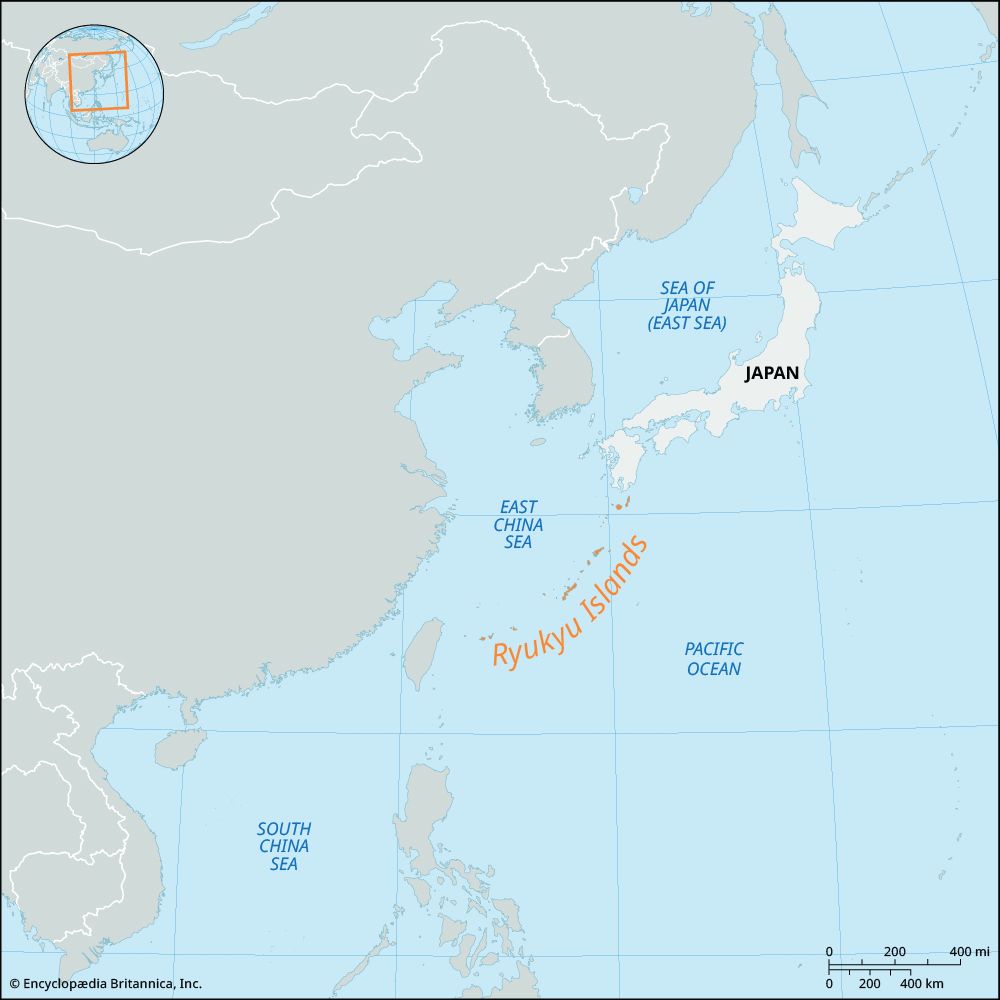
The Zhoushan Archipelago has played a varied role in China’s maritime history and economy. Historically, the islands served as vital harbors for trade networks connecting Japan, the Ryukyu Islands, and the mainland ports of Ningbo and Hangzhou. By the 16th century, the archipelago also became a focal point for early European trade interests.1
However, with the rise of Shanghai as a major modern port in the 19th century, the archipelago’s direct commercial significance in international trade diminished. Today, the islands remain economically vital primarily as one of China’s most important fishing grounds, supporting an enormous fleet that produces significant quantities of fish, kelp, and other marine products. Additionally, the islands are intensively cultivated for agriculture, producing two crops of rice annually. While the nearby mainland port of Beilun has become a major center for freight-handling in the 21st century, the archipelago itself is defined more by its role in the fishing industry and local agricultural production than as a primary hub for modern global maritime trade.12
How does the Zhoushan Archipelago contribute to China’s fishing industry?
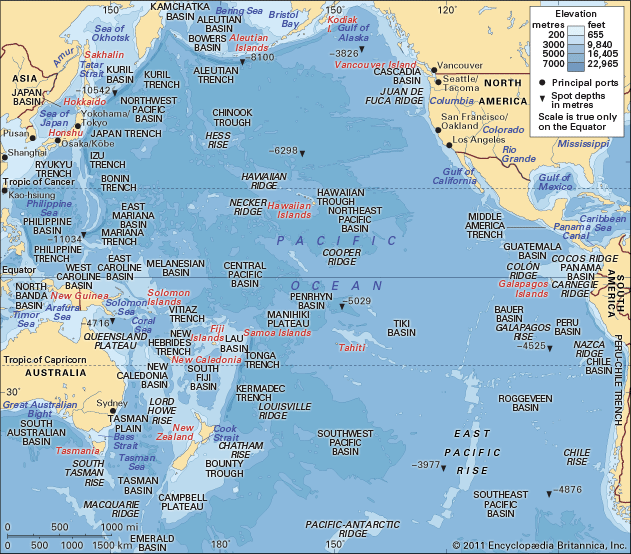
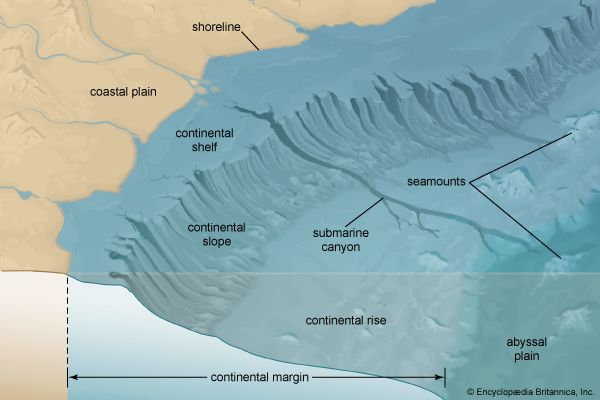
The Zhoushan Archipelago is one of China’s most significant fishing grounds, serving as a vital hub for the nation’s maritime industry. Its productivity is largely due to its location at the convergence of warm and cold Pacific Ocean currents, combined with the nutrient-rich organic material deposited by rivers into the shallow waters above the continental shelf.11
The archipelago’s contribution to the fishing industry includes:
- Diverse Marine Life: The region supports more than 100 varieties of fish, with important commercial catches including drums (croakers), cutlass fish, and cuttlefish.1
- Large-Scale Operations: The islands are home to an enormous fishing fleet that supplies significant quantities of fish to the market.4
- Aquaculture: The coastal waters are highly productive for aquaculture, yielding kelp, shellfish, and edible red algae (Porphyra).41
Due to the intensity of these activities, authorities have had to implement fishing quotas to protect the banks from overexploitation, and the industry faces ongoing challenges from water pollution linked to regional industrialization.1
What is the historical significance of the Zhoushan Archipelago?
The Zhoushan Archipelago has held significant historical importance as a strategic maritime hub and a center for cultural exchange. Brought under regular Chinese administration in the 8th century, the islands served as vital harbors for trade networks connecting Japan, the Ryukyu Islands, and the mainland ports of Ningbo and Hangzhou.1
Beyond commerce, the archipelago became a major religious center. Putuo Shan emerged as a significant site for Buddhist pilgrimage by the Song dynasty, fostering strong ties with Zen Buddhism in Japan. These connections were so profound that monks from the island were even employed as intermediaries during Kublai Khan’s attempts to conquer Japan.1
In the 16th century, the islands became a focal point for European trade interests, eventually leading to British occupation during the first Opium War. However, the rise of Shanghai as a dominant port in the 19th century shifted the region’s primary economic focus toward its enduring role as a major fishing and agricultural center.1
How has the development of the Zhoushan Archipelago impacted the local environment and ecosystem?
The development of the Zhoushan Archipelago has significantly altered its natural landscape and ecological balance. To support intensive agriculture, local authorities have engaged in land reclamation projects, converting mud flats into arable land to increase rice production.1
While these efforts have bolstered food security, the region’s status as a major fishing hub has placed immense pressure on marine ecosystems. The archipelago’s waters, which are naturally enriched by silt from the Yangtze River, are now subject to the environmental consequences of regional industrialization, including water pollution. Furthermore, the operation of an enormous fishing fleet necessitates careful management to prevent the overexploitation of the archipelago’s diverse marine life, which includes over 100 varieties of fish.1
We could dive deeper into the specific conservation strategies currently being employed to protect these coastal ecosystems.
Sources
- Zhoushan Archipelago — Encyclopædia Britannica
- Zhejiang - Transportation — Encyclopædia Britannica
- special economic zone — Encyclopædia Britannica
- Zhejiang - Agriculture, forestry, and fishing — Encyclopædia Britannica
- China - Forestry and fishing — Encyclopædia Britannica
- list of islands - China — Encyclopædia Britannica
- Shanghai - Evolution of the city — Encyclopædia Britannica
Published on · 3 min read