Coyotillo
The coyotillo (Karwinskia humboldtiana) is a woody shrub belonging to the buckthorn family (Rhamnaceae). Native to the southwestern United States and…
What is coyotillo?
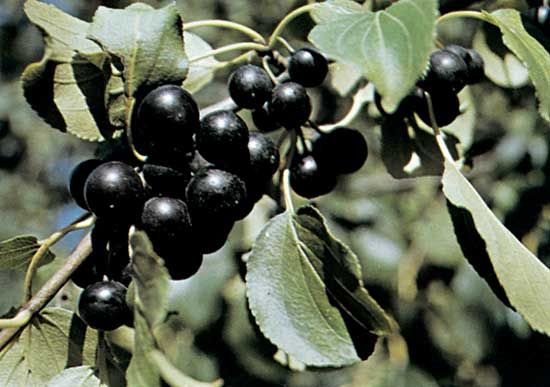
The coyotillo (Karwinskia humboldtiana) is a woody shrub belonging to the buckthorn family (Rhamnaceae). Native to the southwestern United States and northern Mexico, the plant typically reaches heights of 1 to 7 meters (3 to 23 feet).12
It is characterized by opposite, oval-shaped leaves and small, greenish flowers that grow in clusters. These flowers are followed by brownish-black, oval-shaped berries, which measure approximately 1 centimeter in diameter. It is important to note that these fruits are poisonous to both humans and livestock, posing a significant safety risk. The name itself is derived from Mexican Spanish, serving as a diminutive of “coyote”.12
What are other common poisonous plants found in the southwestern United States?
Several poisonous plants are found throughout the southwestern United States, ranging from those that cause severe internal toxicity to those that trigger painful skin reactions upon contact.
Plants Poisonous to Eat
- Jimsonweed (Datura stramonium): A weedy annual with white tubular flowers and spiky seed pods. It contains potent alkaloids that act as a deliriant, causing hallucinations, mental confusion, and potentially fatal poisoning if ingested.34
- Locoweed (Astragalus species): These plants contain locoine, which causes weakness, loss of muscular control, and emaciation in livestock, often leading to death.3
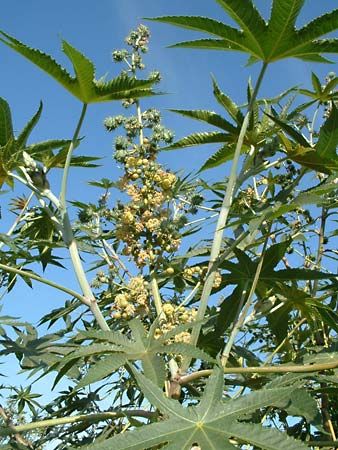
- Castor bean (Ricinus communis): Contains the highly toxic protein ricin. Ingestion of even a few seeds can cause severe abdominal pain, vomiting, and respiratory distress, and may be fatal to children.3
- Poison hemlock (Conium maculatum): Found in temperate regions, this plant contains alkaloids that cause muscular paralysis and respiratory failure, leading to many human fatalities.3
Plants Poisonous by Contact
- Poison ivy (Toxicodendron radicans): Contains urushiol, an oil that causes severe, itchy, and painful contact dermatitis. The oil can persist on clothing and tools for long periods.35
- Stinging nettle (Urtica dioica): Covered in needle-like hairs that inject formic acid into the skin, causing a burning, tingling rash that typically lasts up to 24 hours.5
- Giant hogweed (Heracleum mantegazzianum): An invasive species in parts of the U.S. that contains furocoumarins. Contact with the sap followed by exposure to sunlight causes severe blistering (phytophotodermatitis) and can lead to blindness if it enters the eyes.5
How does the buckthorn family of plants differ from other shrub families?
The Rhamnaceae family, commonly known as the buckthorn family, is distinguished from other shrub families by specific floral and structural characteristics. While many shrub families share a woody habit, Rhamnaceae is uniquely defined by the following features:
- Floral Structure: A key diagnostic trait is the arrangement of stamens, which are positioned opposite the petals. The flowers typically feature a prominent hypanthium—a cup-like structure formed by the joined bases of flower parts—that surrounds the ovary. Additionally, a disk of tissue often develops under or around the ovary.67
- Adaptations: Members of this family exhibit a notable tendency toward survival in dry climates. This is reflected in their intricately branched, low, and shrubby habit, often accompanied by small, crowded leaves and the presence of thorns or spines.67
- Reproductive Traits: The family typically produces simple leaves and flowers that are often arranged in cymes. Their fruits are generally either dry capsules that shed seeds or berrylike structures containing an inner hard layer.67
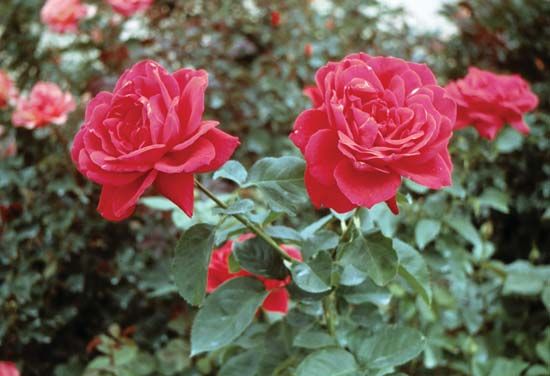
In contrast, other families within the order Rosales, such as the Rosaceae (rose family), often have stamens that occur in whorls and fruits ranging from follicles and achenes to pomes and drupes, rather than the specific capsule or berrylike forms common to Rhamnaceae.6
What specific toxins are found in the berries of the coyotillo?
The coyotillo (Karwinskia humboldtiana), a member of the buckthorn family, produces brownish-black berries that are known to be poisonous to both humans and livestock.
While these berries are documented as toxic, the provided search results do not specify the exact chemical toxins responsible for this poisoning.
Sources
- coyotillo — Encyclopædia Britannica
- coyotillo — Merriam-Webster
- poison - Plant poisons (phytotoxins) — Encyclopædia Britannica
- 7 Dangerous Plants You Should Never Touch — Encyclopædia Britannica
- 9 Mind-Altering Plants - Jimsonweed ( Datura stramonium ) — Encyclopædia Britannica
- buckthorn family — Merriam-Webster
- Rosales - Characteristic morphological features — Encyclopædia Britannica
- Rhamnaceae — Merriam-Webster
- buckthorn — Encyclopædia Britannica
- Rosales - Rhamnaceae — Encyclopædia Britannica
- alder buckthorn — Encyclopædia Britannica
Published on · 3 min read