Zoigê Marsh
The provided search results do not contain information regarding specific scientific research conducted in the Zoigê Marsh. While the records note that the…
What scientific research has been conducted in the Zoigê Marsh?
The provided search results do not contain information regarding specific scientific research conducted in the Zoigê Marsh. While the records note that the region was a marshy wilderness during the Long March and that a nature preserve was established there in 1994 to protect species such as the black-necked crane, there is no documentation of scientific studies or research projects in the available text.1
How has human activity impacted the Zoigê Marsh over the years?
Human activity has significantly altered the landscape of the Zoigê Marsh over the past several decades. Historically a marshy wilderness, the region underwent substantial transformation beginning in the 1970s. During this period, human intervention involved digging ditches to drain parts of the marsh, effectively reclaiming the land for agricultural use. These reclaimed grasslands were subsequently utilized for pasturing livestock, including cattle, sheep, and horses.1
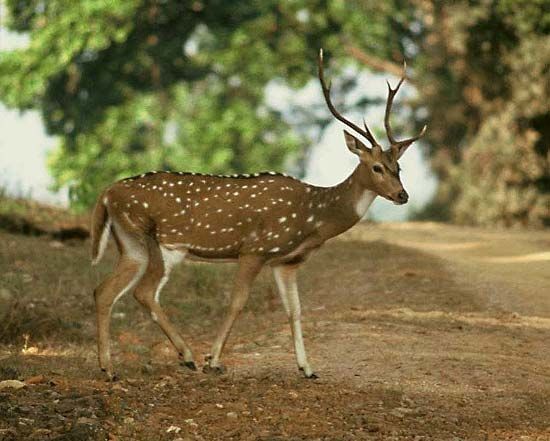
In an effort to mitigate environmental degradation and protect the region’s unique biodiversity, a nature preserve was established in the area in 1994. This initiative serves to safeguard the habitat of various species, such as the black-necked crane and the chital, reflecting a shift toward conservation following the earlier period of land reclamation.1
What conservation efforts are in place to protect the Zoigê Marsh?
To protect the Zoigê Marsh, a nature preserve was officially established in the region in 1994. This conservation effort was implemented to safeguard the area’s unique ecosystem and provide a protected habitat for various wildlife species, including the black-necked crane and the chital, or spotted deer.1
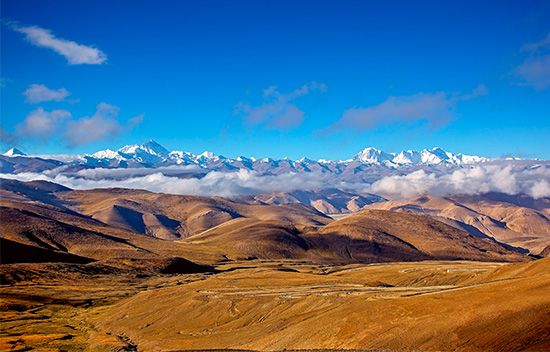
This initiative represents a significant shift in land management, as it followed a period in the 1970s during which parts of the marsh were drained via ditches and converted into grasslands for livestock grazing. By designating the area as a preserve, authorities have prioritized the preservation of this high-altitude wetland, which sits at an elevation of 11,800 feet (3,600 metres) on the Plateau of Tibet and contains significant deposits of peat.1
How does the Zoigê Marsh compare to other wetlands in China?
The Zoigê Marsh is distinct from other major wetland regions in China due to its high-altitude, alpine environment. Situated at 11,800 feet (3,600 metres) on the Plateau of Tibet, it is characterized by a long frost period and significant peat deposits, which can reach depths of up to 23 feet (7 metres).
In contrast, other wetland-rich areas in China, such as the Yangtze Plain, exist at much lower elevations—often below 150 feet (45 metres)—and are defined by alluvial plains and extensive networks of navigable rivers and lakes like Dongting Lake and Lake Poyang. While the Zoigê Marsh is a high-altitude wetland formed by rain and snow in a region of restricted drainage, the Qiangtang basin represents a much more arid, inhospitable alpine environment. The Qiangtang lacks perennial rivers and is dominated by sterile rocky deserts and salt lakes, making it fundamentally different from the marshy, peat-rich landscape of the Zoigê region.
Sources
- Zoigê Marsh — Encyclopædia Britannica
- Marsh — Encyclopædia Britannica
- Qiangtang — Encyclopædia Britannica
- Yangtze Plain — Encyclopædia Britannica
Published on · 2 min read