Thorn Forest
A thorn forest is a type of dense, scrub-like vegetation found in dry subtropical and warm temperate regions that receive seasonal rainfall averaging between…
What is Thorn forest?
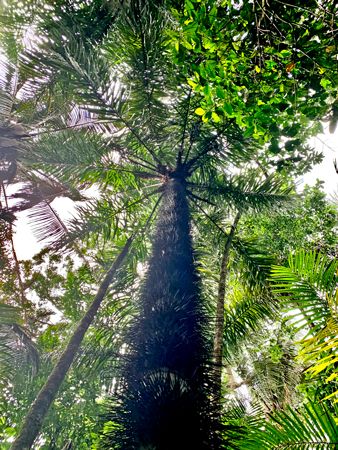
A thorn forest is a type of dense, scrub-like vegetation found in dry subtropical and warm temperate regions that receive seasonal rainfall averaging between 250 and 500 mm (10 to 20 inches) annually. These ecosystems serve as a transition zone, grading into savanna woodland in wetter areas and desert in drier climates.1
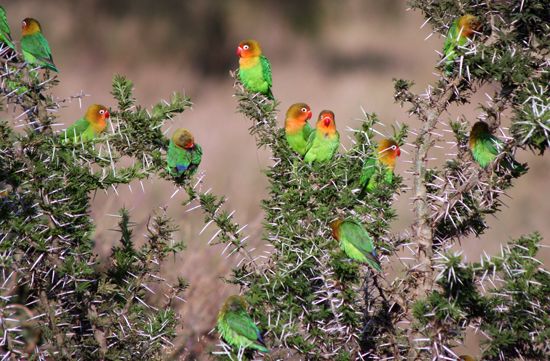
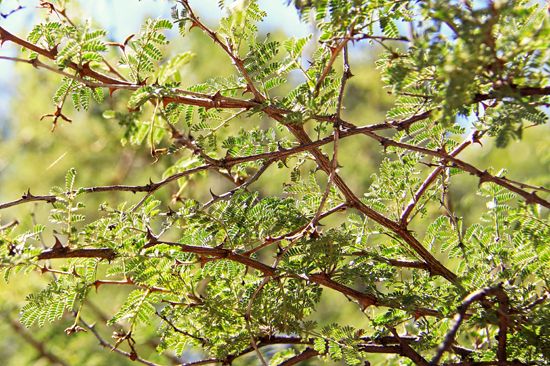
The landscape is dominated by small, thorny trees that shed their leaves during the dry season. To survive in these arid conditions, many plants have evolved specialized adaptations:12
- Water Conservation: Many species are sclerophyllous, possessing small, leathery leaves to minimize water loss.1
- Resource Access: Some plants feature long roots to reach deep groundwater.1
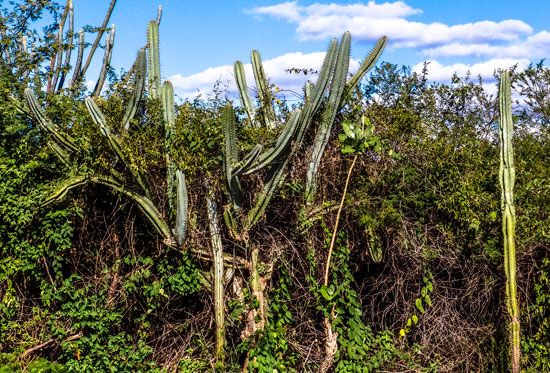
- Biological Features: Common flora include members of the Fabaceae family, such as Acacia and Mimosa, alongside cacti and other succulents.1
Thorn forests are found across North America, Africa, the Indian subcontinent, South America, and Australia, often known by regional names like caatinga.1
How do plants in thorn forests store water?
Plants in thorn forests utilize several specialized mechanisms to store water and survive in arid, seasonally dry environments. These plants, often categorized as xerophytes, employ the following strategies:
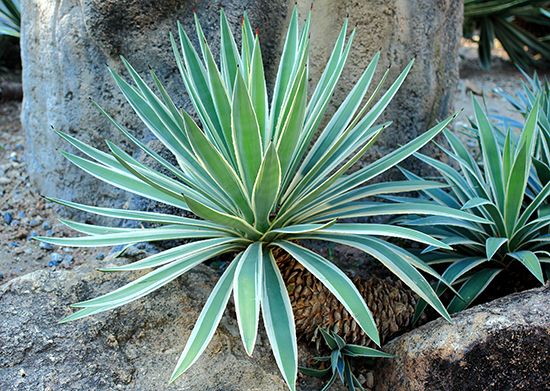
- Succulence: Many plants in these regions are succulents, which possess thick, fleshy tissues specifically adapted for water storage. Depending on the species, this water is stored in either the stems (as seen in cacti) or the leaves (as seen in agaves). Some succulent shrubs, such as the desert rose (Adenium), feature a large, specialized water-storing base.341
- Crassulacean Acid Metabolism (CAM): To minimize water loss through transpiration, many succulent plants utilize a modified form of photosynthesis called crassulacean acid metabolism. By keeping their stomata closed during the hot, dry day and opening them only at night to take in carbon dioxide, these plants significantly reduce evaporative water loss.3
- Root Systems: Many thorn forest species develop long roots that penetrate deep into the soil to access groundwater, ensuring a supply of moisture even when surface conditions are dry.5
What is the difference between a thorn forest and a savanna?
The primary difference between a thorn forest and a savanna lies in their structural composition and moisture requirements, though they exist along a continuous environmental gradient.81
Key Distinctions
- Vegetation Structure: Savannas are defined by a continuous cover of grasses that is occasionally interrupted by trees and shrubs. In contrast, a thorn forest is characterized as dense, scrub-like vegetation dominated by small, thorny trees that often shed their leaves during the dry season.81
- Rainfall: Thorn forests typically occur in drier regions, receiving an average annual rainfall of 250 to 500 mm (10 to 20 inches). Savannas generally require more moisture, with mean annual precipitation typically ranging from 50 to 150 cm (20 to 59 inches).18
- Environmental Transition: These ecosystems often grade into one another. As rainfall increases, a thorn forest may transition into a savanna woodland; conversely, as conditions become drier, a savanna may shift toward a thornbush or desert environment.81
- Fire and Grazing: While both environments are influenced by human activity, savannas are specifically defined by the occurrence of bushfires and the role of grazing, which help maintain the open, grass-dominated structure.8
Which animals are adapted to live in thorn forests?
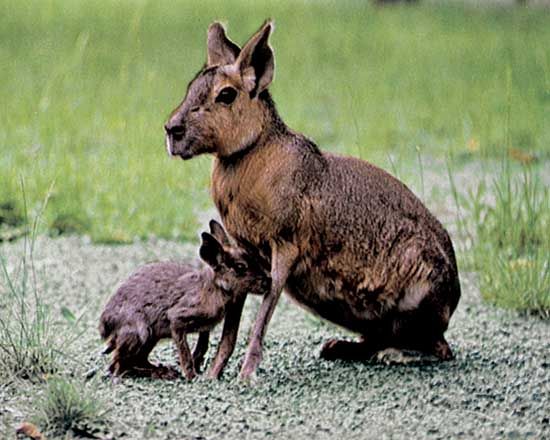
The provided search results do not contain a comprehensive list of animals specifically adapted to thorn forests. While the documents mention that jaguars and ocelots once inhabited the edges of the caatinga (a type of thorn forest in South America), they note that these populations have been extensively hunted and are now endangered in those regions.1
More broadly, animals living in arid environments—which share characteristics with thorn forests—often possess physiological adaptations to manage water loss. For example, some animals, such as gazelles, utilize specialized nasal passages to cool exhaled air, allowing water vapor to condense and be reabsorbed rather than lost to the environment. Additionally, desert-dwelling animals typically have skin that is relatively impervious to water to minimize evaporation.10
Because the available information does not provide a detailed account of the fauna native to thorn forests globally, I cannot offer a complete list of animals adapted to these specific ecosystems.
Sources
- Thorn forest — Encyclopædia Britannica
- thorn forest — Merriam-Webster
- Succulent — Encyclopædia Britannica
- Xerophyte — Encyclopædia Britannica
- Tree - Tree roots — Encyclopædia Britannica
- Biosphere - Humidity — Encyclopædia Britannica
- Africa - Thorn woodland, grassland, and semidesert vegetation — Encyclopædia Britannica
- Savanna - Environment — Encyclopædia Britannica
- Savanna - Flora — Encyclopædia Britannica
- Brazil - Highlands, coastal regions, and the Pantanal — Encyclopædia Britannica
Published on · 3 min read