Adrar
The Adrar oasis, particularly the settlement in southwestern Algeria, has profoundly shaped the culture and traditions of its inhabitants through its role as…
How has the Adrar oasis influenced the culture and traditions of its inhabitants?
The Adrar oasis, particularly the settlement in southwestern Algeria, has profoundly shaped the culture and traditions of its inhabitants through its role as a strategic hub and its reliance on specialized desert agriculture.12
- Architectural Identity: The settlement is defined by its distinctive thick-walled, red-wash architecture featuring sawtooth crenellation, a style established by the local Berber (Amazigh) people, the Timmi, who founded the original ksar (fortified village).1
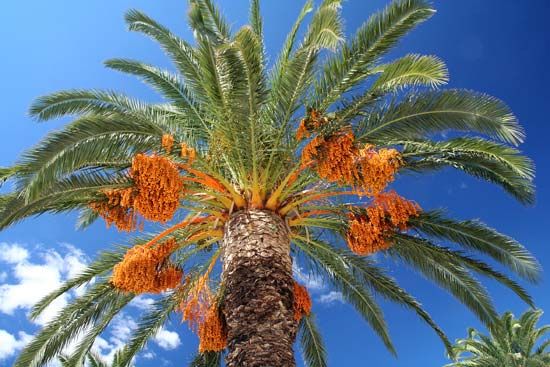
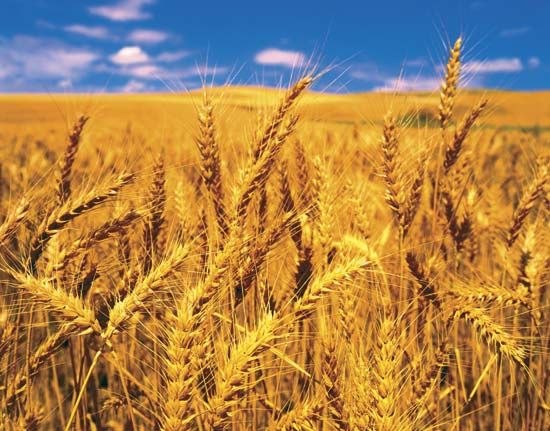
- Agricultural Traditions: Life in the oasis is centered on the cultivation of date palms, grains, and vegetables, made possible by foggaras—man-made subterranean irrigation tunnels. This labor-intensive system requires significant community cooperation and has historically supported a sedentary population distinct from the nomadic groups of the surrounding Sahara.321
- Social and Historical Context: The region’s history as a strategic point on trans-Saharan trade routes fostered a diverse population of Arabs, Berbers, and Haratin. The influence of Islam, which reached the area by the 10th century, became a dominant social force, shaping the region’s cultural and religious life.123
How does the Adrar oasis compare to other oases in the Sahara Desert?
The Adrar oasis, as the largest settlement within the Touat oasis group in southwestern Algeria, shares many fundamental characteristics with other Saharan oases while maintaining unique regional distinctions.31
Shared Characteristics
Like most oases across the Sahara, Adrar is a sedentary agricultural hub that relies on a perennial supply of fresh water to support life in an otherwise harsh environment. Key similarities include:5
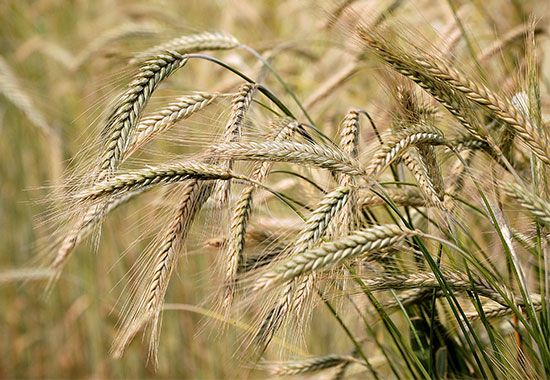
- Agricultural Foundation: Adrar, like other oases, centers its economy on the cultivation of date palms, which provide a primary food source, alongside secondary crops such as grains, barley, and vegetables.15
- Irrigation Methods: The reliance on foggaras—man-made subterranean tunnels designed to tap into groundwater—is a traditional method shared by many Saharan settlements to manage limited water resources.41
- Sedentary Population: Adrar supports a permanent population, consistent with the fact that two-thirds of the Sahara’s inhabitants are sedentary people living in oases and depending on irrigation.5
Distinctions and Regional Context
While Adrar shares these functional traits, it is distinguished by its specific historical and geographical role:
- Strategic Trade Hub: Historically, Adrar served as a vital point on trans-Saharan trade routes between North and West Africa, a role that fostered a diverse demographic mix of Arabs, Berbers, and Haratin.31
- Architectural Identity: Unlike some other oases, Adrar is noted for its distinctive thick-walled, red-wash architecture featuring sawtooth crenellation, a style rooted in its founding by the local Berber (Amazigh) people.3
- Geographic Setting: Situated near the Wadi Messaoud and between the Erg Chech and the Grand Erg Occidental, Adrar’s physical environment is defined by sand-dune-covered plains, contrasting with oases located in mountain regions or near different geological depressions.36
What is an oasis, and how does it form in desert environments?
An oasis is a fertile tract of land located within a desert that is able to support vegetation and human settlement due to a perennial supply of fresh water. These areas range in size from small, spring-fed plots of about one hectare to vast, irrigated regions.67
Formation and Water Sources
Oases form wherever water reaches the surface in an arid environment. Most are sustained by underground water sources, often located in sandstone aquifers that may have intake areas hundreds of kilometers away. Water reaches the surface through several mechanisms:61
- Natural Springs and Wells: Water may emerge naturally as springs (‘ayn) or be accessed through wells (bi’er). Some of these sources are artesian, meaning the water is under enough pressure to rise to the surface without mechanical pumping.86
- Foggaras: In many regions, inhabitants construct foggaras—inclined, subterranean tunnels designed to tap into dispersed groundwater in the beds of wadis and transport it to the surface.8
- Surface Water: In mountain areas, oases may also utilize ephemeral streams or permanent pools known as gueltas.8
Because water availability is the primary factor limiting the size of an oasis, these settlements often rely on intensive hand labor and careful management to maintain their fragile ecological balance.8
Are there any notable archaeological sites or ancient ruins near the Adrar oasis?
The Adrar region in central Mauritania is home to significant historical sites, though it is important to distinguish this area from the Adrar oasis in Algeria. While the Algerian settlement is known for its traditional ksar (fortified village) architecture, the Mauritanian Adrar region contains notable ancient ruins and historic centers of cultural importance.32
Key archaeological and historical sites in the Mauritanian Adrar region include:
- Ouadane: Historically a major caravan and gold-trading center, this site reflects the region’s long-standing role in trans-Saharan commerce.2
- Chinguetti: An ancient center of learning and a significant site for Islam, Chinguetti is renowned for its historical importance in the region.2
In contrast, the Adrar oasis in Algeria is primarily characterized by its contemporary town layout and its distinctive red-wash, sawtooth-crenellated architecture, which reflects the historical influence of the local Berber (Amazigh) people rather than the specific ancient ruins found in the Mauritanian region.3
Sources
- Sahara - People of the Sahara — Encyclopædia Britannica
- Adrar — Encyclopædia Britannica
- Adrar — Encyclopædia Britannica
- Touat — Encyclopædia Britannica
- Sahara - Physiography — Encyclopædia Britannica
- oasis — Encyclopædia Britannica
- oasis — Merriam-Webster
- Asia - Groundwater — Encyclopædia Britannica
Published on · 4 min read