Al-Jaghbūb
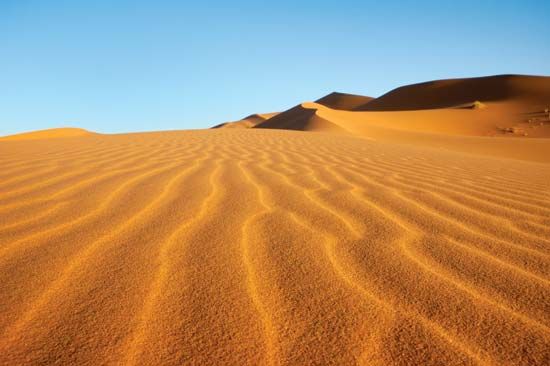
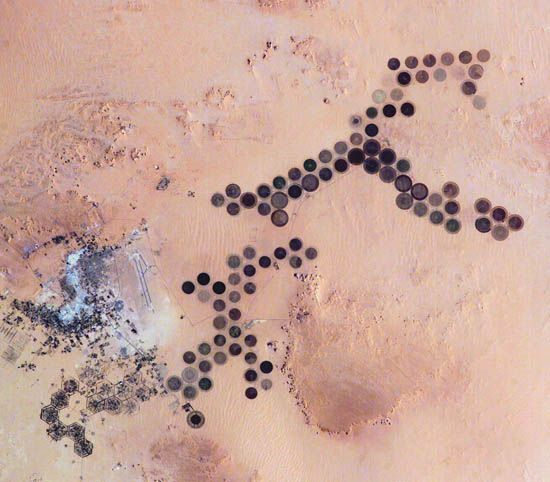
Al-Jaghbūb is an oasis situated in northeastern Libya, located near the Egyptian border at the northern edge of the Libyan Desert.
What is Al-Jaghbūb?
Al-Jaghbūb is an oasis situated in northeastern Libya, located near the Egyptian border at the northern edge of the Libyan Desert.1
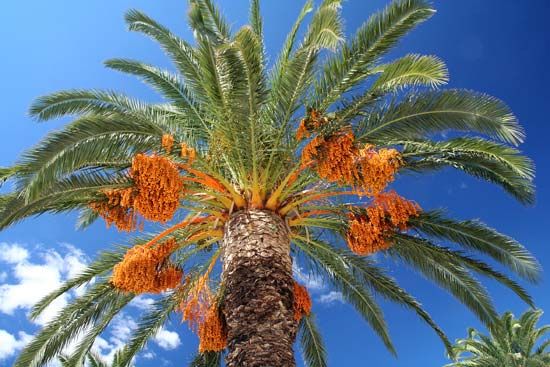
Historically significant as a stop on ancient caravan and pilgrim routes, the town served as the headquarters for the Sanūsī religious order between 1856 and 1895. Its remote location provided the necessary isolation from European and Turkish influence for the order to establish a religious retreat, an Islamic university, and a library. The town is characterized by its walled architecture and the domed tomb of the order’s founder, Sīdī Muḥammad ibn ʿAlī al-Sanūsī al-Kabīr. Today, the oasis is known for its date gardens and maintains a road connection to the city of Ṭubruq, located approximately 180 miles (290 km) to the north.1
What is the Senussi religious order?
The Sanūsiyyah (also spelled Senussi) is a Muslim Sufi (mystic) brotherhood founded in 1837 by Sīdī Muḥammad ibn ʿAlī al-Sanūsī, an Algerian religious leader.23
Core Principles and Mission
The movement was established as a reformist order dedicated to returning to the simple faith and practices of early Islam. It promoted a puritanical form of the religion, providing followers with instruction and material assistance, which fostered a strong sense of unity among its adherents. As a missionary organization, it aimed to reform the lives of the Bedouins and convert non-Muslim peoples across the Sahara and Central Africa.24
Historical Influence
- Organization: The order integrated its religious lodges, known as zāwiyahs, into the existing tribal systems, particularly in Cyrenaica.2
- Political Role: The Sanūsiyyah became a significant political force, leading resistance against Italian colonization in Libya throughout the early 20th century.24
- Leadership: The head of the order, Idris, became the king of the independent United Kingdom of Libya in 1951, a position held until the monarchy was overthrown in 1969.2
How do oases support life in the desert?
An oasis is a fertile tract of land in a desert that supports life by providing a perennial supply of fresh water. This water is typically sourced from underground aquifers, which may be tapped through natural springs, wells, or ancient systems like foggaras (inclined underground tunnels).67
These water sources create a unique environment where sedentary populations can survive in an otherwise harsh climate. The date palm serves as the primary food source, providing essential shade that allows for the cultivation of other crops, including:
- Fruits: Citrus, figs, peaches, and apricots.67
- Cereals: Wheat, barley, and millet.67
- Vegetables: Various garden crops and specialty items like henna.7
Because water availability is limited, these areas are maintained through significant hand labor and careful irrigation management. While oases are vital for human settlement and agriculture, they also provide habitats for various desert wildlife, including rodents, foxes, and reptiles.78
What is the history of the Libyan Desert?
The Libyan Desert is the northeastern portion of the Sahara, spanning eastern Libya, southwestern Egypt, and northwestern Sudan. Its history is defined by its harsh, arid environment, which has historically limited human settlement to specific oases and influenced regional power dynamics.1112
Prehistoric and Ancient Context
Archaeological evidence indicates that the region was inhabited by early hominins, with stone tool industries like the Aterian and Capsian traditions reflecting the presence of skilled desert hunters. During the Neolithic period, the domestication of animals and the transition to food production occurred, though the desert remained a challenging landscape. Prehistoric rock art found in the region depicts animals that are now extinct in the area, such as elephants and hippopotamuses, suggesting a significantly different climate in the distant past.13
Modern History and Strategic Importance
In more recent centuries, the desert served as a backdrop for the expansion of the Sanūsiyyah religious order, which established zāwiyahs (monastic complexes) in oases like Al-Kufrah to foster unity and provide aid to nomadic populations.1415
During the 20th century, the desert became a critical theater of conflict:
- Italian Colonialism: Following the 1911 invasion, the desert was the site of prolonged resistance by local populations against Italian forces.14
- World War II: The Egyptian portion, known as the Western Desert, was a major operational zone. The Qattara Depression acted as a natural defensive anchor for British forces against the German army in 1942.1116
In the late 1950s, the discovery of petroleum deposits transformed the economic and political landscape of the region, marking a shift from traditional nomadic and oasis-based life to modern industrial development.123
Sources
- Al-Jaghbūb — Encyclopædia Britannica
- Sanūsiyyah — Encyclopædia Britannica
- Libya - Ottoman rule — Encyclopædia Britannica
- Sufism - Important aspects — Encyclopædia Britannica
- Sanusi — Merriam-Webster
- oasis — Encyclopædia Britannica
- Sahara - People of the Sahara — Encyclopædia Britannica
- Libya - Plant and animal life — Encyclopædia Britannica
- Asia - Groundwater — Encyclopædia Britannica
- Sahara - Resources — Encyclopædia Britannica
- Libyan Desert — Encyclopædia Britannica
- Qattara Depression — Encyclopædia Britannica
- Libya - History of Libya — Encyclopædia Britannica
- Libya - Ethnic groups and languages — Encyclopædia Britannica
- Libya - Settlement patterns — Encyclopædia Britannica
- North Africa - Early humans and Stone Age society — Encyclopædia Britannica
Published on · 3 min read