Al-Sudd
The Al-Sudd wetlands in central South Sudan are characterized by a dense, swampy environment dominated by specific aquatic vegetation and select wildlife…
What unique plant and animal species can be found in the Al-Sudd wetlands?
The Al-Sudd wetlands in central South Sudan are characterized by a dense, swampy environment dominated by specific aquatic vegetation and select wildlife populations.
Plant Life
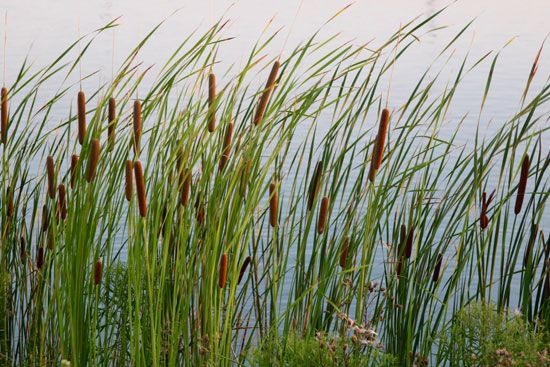
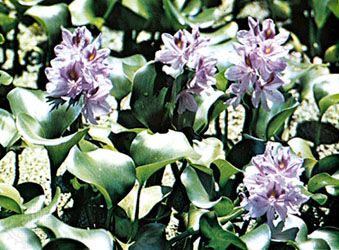
The region is defined by its luxuriant growth of papyrus, which gives the area its name. Other prominent vegetation includes:
- Tall bamboolike grasses and reed mace
- Ambatch (also known as turor)
- Water lettuce and various species of convolvulus
- The invasive water hyacinth
- Floating Nile cabbage (Pistia stratiotes)123
Animal Life
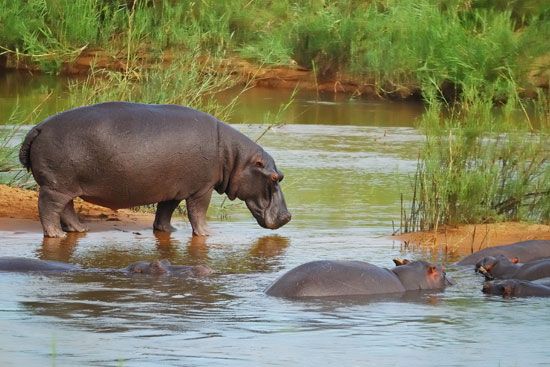
The Al-Sudd serves as a critical habitat for species that have disappeared from other parts of the Nile system. Notably, the hippopotamus—once common throughout the entire river system—is now primarily found in the Al-Sudd region and areas to the south. The wetlands also support a variety of fish, reptiles, and other fauna common to the broader Nile basin, though the dense vegetation creates a unique, often impenetrable, ecological barrier.21
How has the Jonglei Canal project impacted or potentially impacted the Al-Sudd region?
The Jonglei Canal project was designed to bypass the Al-Sudd wetlands by creating a straight, well-defined channel for the Mountain Nile to flow northward toward the White Nile.15
The primary environmental and economic impact of the project would have been the drainage of the vast swamplands, which currently lose more than half of their water through evaporation. By bypassing these wetlands, the canal was intended to reclaim the area for agricultural use.15
Construction began in the late 1970s but was suspended in 1983 due to the civil war in southern Sudan. While there have been subsequent discussions about resuming the project, particularly following the 2005 Comprehensive Peace Agreement, the government of South Sudan has remained hesitant, citing the need for further study regarding the potential consequences of altering this unique ecosystem.15
How does Al-Sudd compare in size to other major wetlands around the world?
The Al-Sudd region in central South Sudan is a massive wetland measuring approximately 200 miles (320 km) wide by 250 miles (400 km) long. While it is one of the world’s most significant swampy lowland regions, the provided search results do not offer a direct comparative ranking of its total surface area against other global wetlands, such as the extensive peatlands of western Siberia or the bogs and fens of North America.
Globally, wetland size and distribution are highly variable, influenced by factors like glaciation, climate, and latitude. For instance, western Siberia contains the largest contiguous area of peatlands in the world, and North America hosts some of the most extensive bog and fen regions on Earth. In contrast, the Al-Sudd is a tropical, river-fed system formed by the overflow of the Mountain Nile.16
What is Al-Sudd and where is it located in South Sudan?
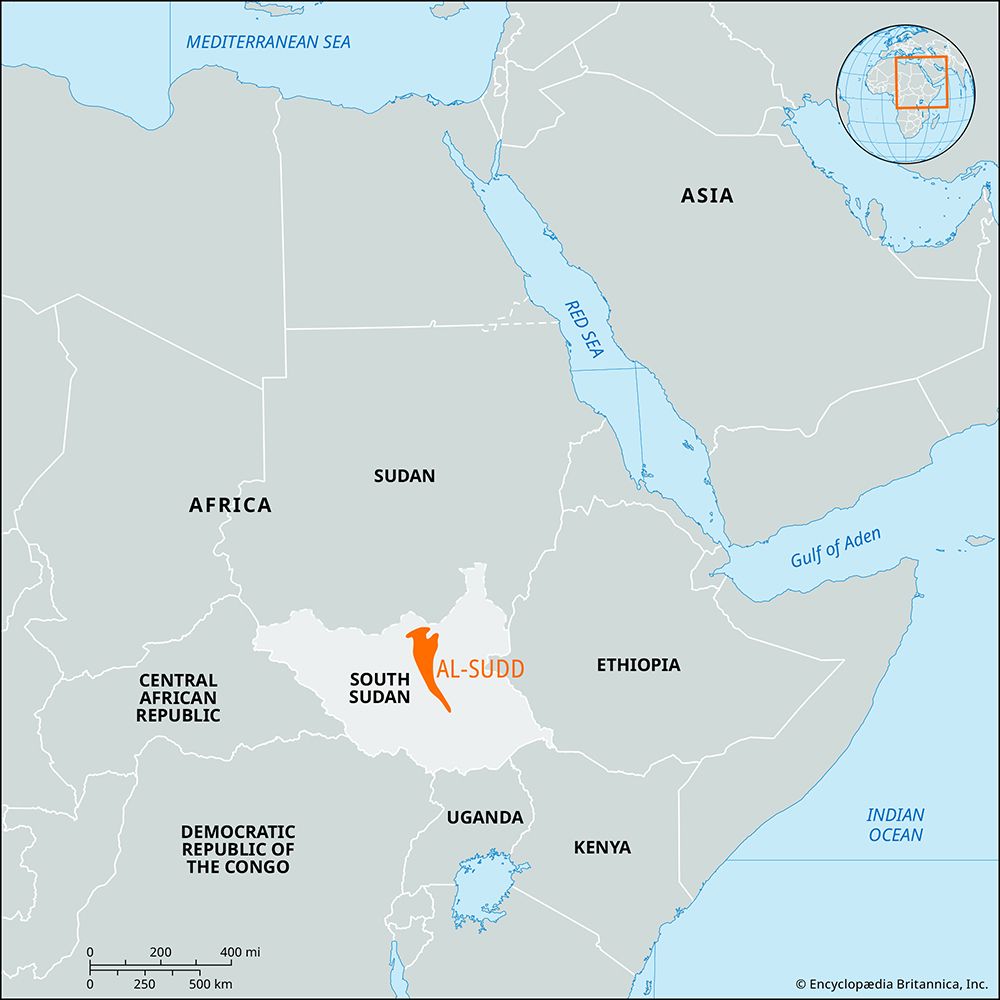
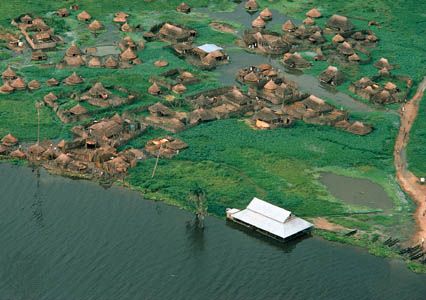
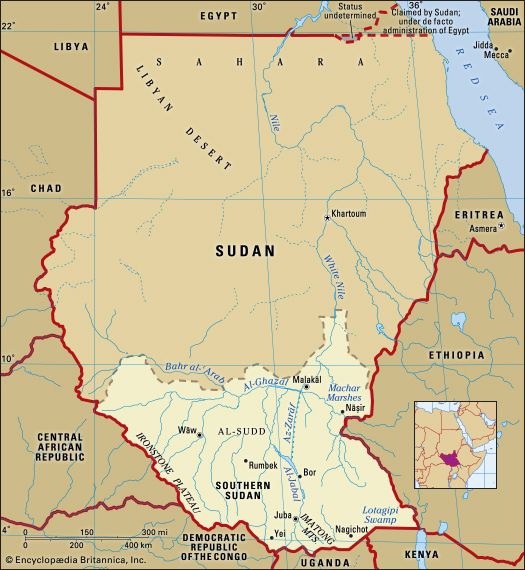
Al-Sudd is a vast, swampy lowland region situated in central South Sudan. It spans approximately 200 miles (320 km) in width and 250 miles (400 km) in length.1
The region is defined by a flat, saucer-like clay plain that is drained by the headstreams of the White Nile, specifically the Al-Jabal (Mountain Nile) River in the center and the Al-Ghazāl River in the west. As the Al-Jabal River flows through this area, it overflows to create a complex network of lagoons, side channels, and lakes. The flow of the river is significantly impeded by dense vegetation, including tall papyrus—from which the region derives its name, as al-sudd is Arabic for “the papyrus”—along with aquatic grasses and water hyacinth.1
Due to high rates of evaporation within these swamps, the Al-Jabal River loses more than half of its water volume while passing through the region. The area is sparsely populated by the pastoral Nilotic Nuer people and serves as a formidable barrier to river navigation.1
Sources
- Al-Sudd — Encyclopædia Britannica
- Nile River - Plant and animal life — Encyclopædia Britannica
- Sudd — Merriam-Webster
- Africa - Sudd — Encyclopædia Britannica
- South Sudan - Drainage and soils — Encyclopædia Britannica
- Wetland - Origin of wetlands — Encyclopædia Britannica
Published on · 3 min read