Al-Wāḥāt al-Khārijah
The Al-Wāḥāt al-Khārijah (Kharga) oasis is a fertile region within the Libyan Desert that relies on perennial water sources, such as artesian wells, to…
What unique flora and fauna can be found in the Al-Wāḥāt al-Khārijah ecosystem?
The Al-Wāḥāt al-Khārijah (Kharga) oasis is a fertile region within the Libyan Desert that relies on perennial water sources, such as artesian wells, to support its ecosystem.12
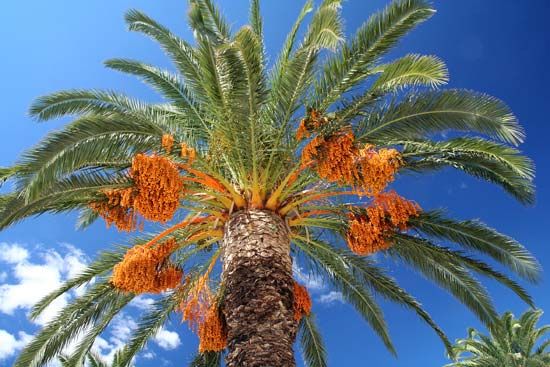
The flora of the oasis is primarily defined by agricultural cultivation rather than unique wild species. The date palm is the most significant plant, serving as a primary food source and providing shade for other crops. Farmers in the area grow a variety of produce, including olives, wheat, rice, grapes, citrus fruits, and berseem (clover), the latter of which is used for animal feed. The doum palm, an African fan palm, is also identified with Egyptian oases.2134
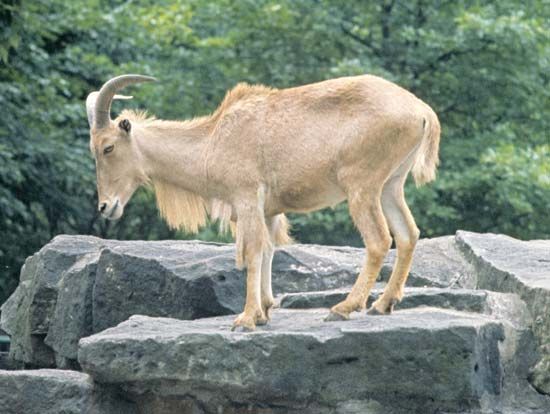
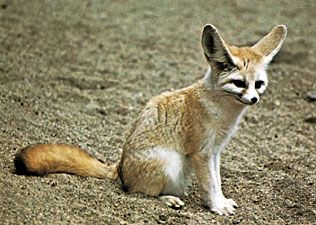
Regarding fauna, the ecosystem supports domesticated animals such as cattle, poultry, sheep, goats, donkeys, and camels, which are raised for meat and labor. While the broader Egyptian desert environment hosts various wild animals—including the aoudad, Dorcas gazelle, fennec, and Egyptian jackal—the oasis itself functions largely as a managed agricultural landscape.43
How has the population of Al-Wāḥāt al-Khārijah changed over time?
The population of Al-Wāḥāt al-Khārijah (Kharga Oasis) has evolved significantly over time, transitioning from an ancient site of exile to a modern, growing administrative center.
Historically, the oasis has been occupied since the Paleolithic Period. In antiquity, it served as a place of political exile for figures from Thebes and later flourished under Persian and Roman rule. During the Byzantine period, the population became Christian, though its prosperity was periodically reduced by raids from desert tribes.17
In modern times, the permanent population has been primarily composed of Amazigh (Berber) and Bedouin Arab groups. A significant demographic shift occurred in the 1960s and 1970s, when the Egyptian government initiated deep-well-drilling and land-reclamation programs. These efforts encouraged farmers from the Nile River valley, including Nubians, to settle in the oasis to cultivate the newly irrigated land. By 2006, the population of the chief town, Al-Khārijah, was recorded at 60,584.17
What are the main agricultural products and economic activities in Al-Wāḥāt al-Khārijah?
The economy of Al-Wāḥāt al-Khārijah is rooted in both traditional agriculture and modern industrial activity.
Agricultural Products
The oasis serves as a collection point for a variety of crops grown through irrigation systems supported by deep-well-drilling programs. Key agricultural products include:13
- Cereals and Staples: Wheat, rice, and berseem (clover), the latter of which is primarily used for animal feed.13
- Fruits and Produce: Dates, olives, grapes, citrus fruits, and various vegetables.13
- Livestock: Cattle and poultry are bred specifically for the oasis environment to provide meat.3
Economic Activities
Beyond farming, the region supports several industrial and logistical operations:
- Mining and Quarrying: Many residents are employed at the Abū Ṭarṭūr phosphate mines located west of the oasis. Additionally, shale is quarried locally.3
- Manufacturing: The town of Al-Khārijah hosts tile- and brickmaking plants.3
- Logistics and Transport: The oasis is connected to the Nile River valley via a railway line that transports phosphates to Najʿ Ḥammādī and eventually to the Red Sea port of Safājah.3
What is the geographical location and significance of Al-Wāḥāt al-Khārijah in Egypt?
Al-Wāḥāt al-Khārijah, meaning “Outer Oasis,” is located in the Libyan (Western) Desert of south-central Egypt. It serves as a key part of the Al-Wādī al-Jadīd (“New Valley”) governorate and is situated approximately 110 miles (180 km) west-southwest of Najʿ Ḥammādī, to which it is connected by rail.13
The oasis is historically and culturally significant for several reasons:
- Ancient History: Occupied since the Paleolithic Period, it was known to ancient Egyptians as Kenem or Hibis. It frequently served as a place of political exile for figures from Thebes1.3
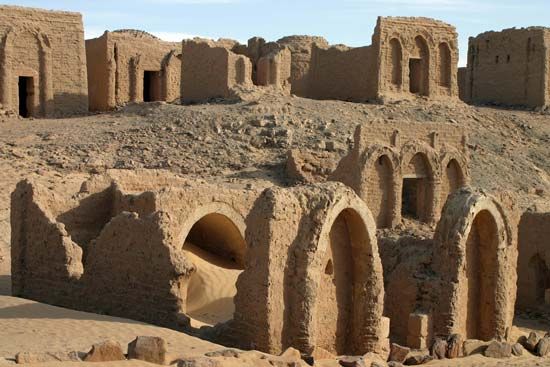
- Archaeological Heritage: The area contains significant ruins from the Persian and Roman periods, including a temple dedicated to Amon built by Darius I, the temple of Nadura built by Antoninus Pius, and a Christian necropolis1.3
- Modern Development: Since the 1960s and 1970s, government-led land reclamation and deep-well-drilling programs have transformed the region into an agricultural and industrial hub, supporting mining operations at the Abū Ṭarṭūr phosphate mines.13
Sources
- Al-Wāḥāt al-Khārijah — Encyclopædia Britannica
- Egypt - Plant and animal life — Encyclopædia Britannica
- Al-Khārijah — Encyclopædia Britannica
- Niger - Plant and animal life — Encyclopædia Britannica
- Arabian Desert - Animal life — Encyclopædia Britannica
- oasis — Encyclopædia Britannica
- Egypt - Settlement patterns — Encyclopædia Britannica
- Egypt - Rural settlement — Encyclopædia Britannica
Published on · 3 min read