Alligator Apple
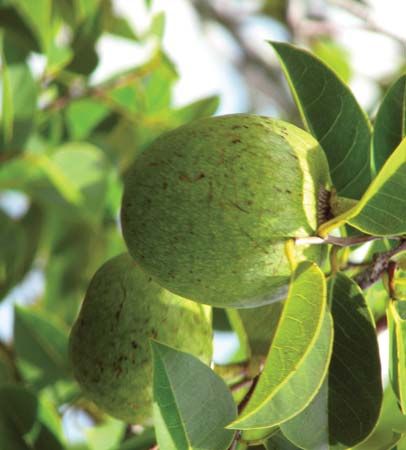
The alligator apple (Annona glabra), also known as pond apple or corkwood, is an evergreen tree belonging to the Annonaceae family. Native to tropical…
What is alligator apple?
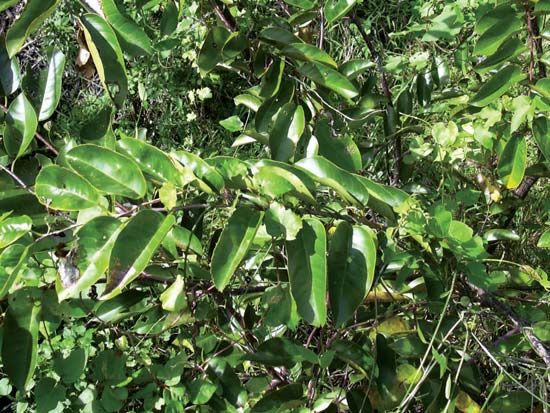
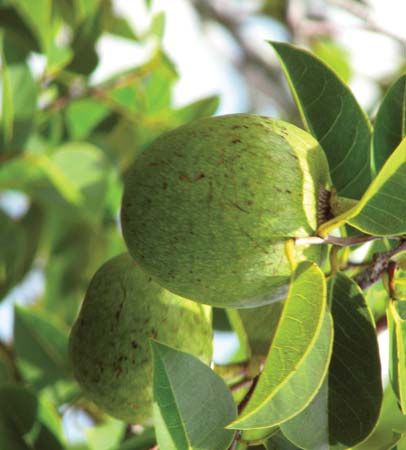
The alligator apple (Annona glabra), also known as pond apple or corkwood, is an evergreen tree belonging to the Annonaceae family. Native to tropical America and western Africa, this tree typically reaches heights of 12 meters (40 feet) and features simple, oval leaves and fragrant, yellow flowers.12
The plant produces gnarled, yellowish fruit that is technically edible but generally considered to have a poor flavor; it is rarely eaten fresh, though it is occasionally used to produce jellies. Beyond its fruit, the tree is highly valued for its roots, which possess cork-like properties. These roots are commonly harvested to create fishing floats and bottle corks, and they serve as useful rootstock for grafting other, less hardy species within the Annona genus.12
What are some other edible fruits in the Annonaceae family?
The Annonaceae family, often called the custard apple family, includes several species prized for their edible, pulpy fruits. Many of these belong to the genus Annona:
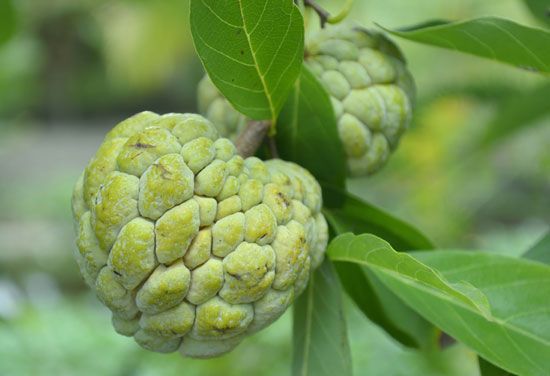
- Common Custard Apple (Annona reticulata): Also known as bullock’s-heart, this fruit has a quilted appearance and soft, reddish-yellow, sweetish pulp.34
- Cherimoya (A. cherimola): A highly regarded fruit with white, pulpy, sweet-acid flesh.54
- Soursop (A. muricata): A large fruit characterized by fleshy spines and a slightly acid, fibrous pulp.36
- Sweetsop (A. squamosa): A widely cultivated species known for its sweet, edible fruit.34
- Atemoya (Annona × atemoya): A hybrid of the cherimoya and the sweetsop, valued for its white pulp and superior shipping qualities.52
Outside of the Annona genus, the American pawpaw (Asimina triloba), native to the eastern United States, is also notable for its sweet, custard-like fruit. Additionally, the South American tree Porcelia saffordiana is known for producing immense fruits that can weigh 18 kg (40 pounds) or more.4
How are the roots of the alligator apple used in industry?
The roots of the alligator apple (Annona glabra) are highly valued for their cork-like properties, which allow them to be utilized in several industrial and practical applications:
- Manufacturing: The roots are harvested to produce bottle corks and fishing floats.
- Horticulture: The tree serves as a vital rootstock for grafting other, less hardy species within the Annona genus, particularly in regions with deep, sandy soils where the alligator apple thrives.17
What is the difference between a custard apple and an alligator apple?
While both the custard apple and the alligator apple belong to the same genus, Annona, and the family Annonaceae, they differ significantly in their primary uses and fruit quality.
Custard Apple
The term “custard apple” often refers specifically to Annona reticulata, but it also serves as a general name for the genus. These species are primarily cultivated for their highly prized, edible fruits, which are known for their sweet, aromatic, and creamy or custard-like pulp. Popular examples include the cherimoya, soursop, and sweetsop.327
Alligator Apple
The alligator apple (A. glabra), also known as pond apple or corkwood, is distinct because its fruit is generally considered to have poor flavor and is not typically eaten fresh, though it is sometimes used to make jellies. Instead of being valued for its fruit, the tree is industrially significant for its roots, which possess cork-like properties used to make bottle corks and fishing floats. Additionally, it is frequently used as a hardy rootstock for grafting other, more sensitive Annona species.327
Sources
- alligator apple — Encyclopædia Britannica
- Annonaceae — Encyclopædia Britannica
- custard apple — Encyclopædia Britannica
- Cherimoya — Encyclopædia Britannica
- atemoya — Merriam-Webster
- soursop — Merriam-Webster
- Magnoliales - Fruit — Encyclopædia Britannica
Published on · 3 min read