Custard Apple
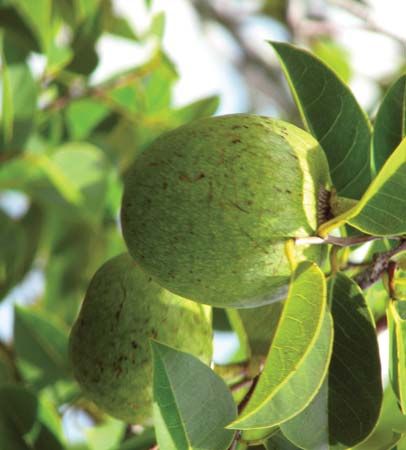
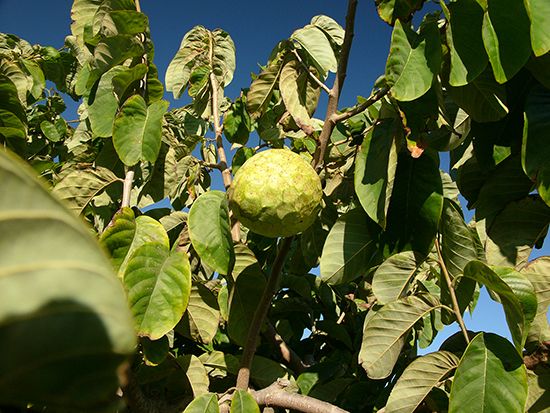
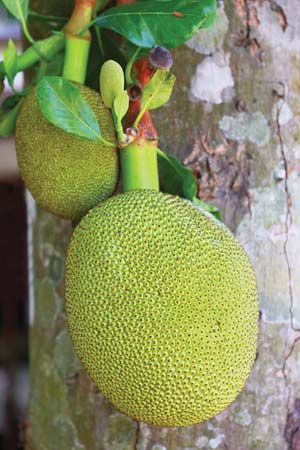
A custard apple refers to any of approximately 170 species of trees or shrubs within the genus Annona, which belongs to the Annonaceae family. These plants…
What is a custard apple and where does it originate from?
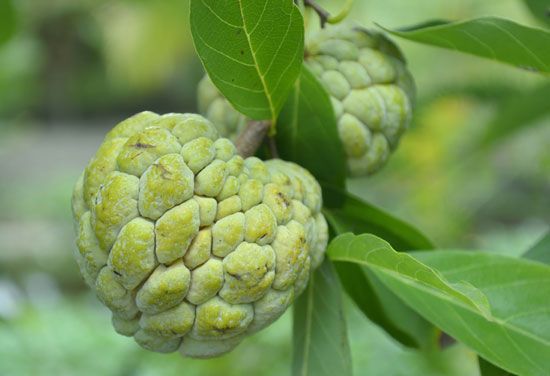
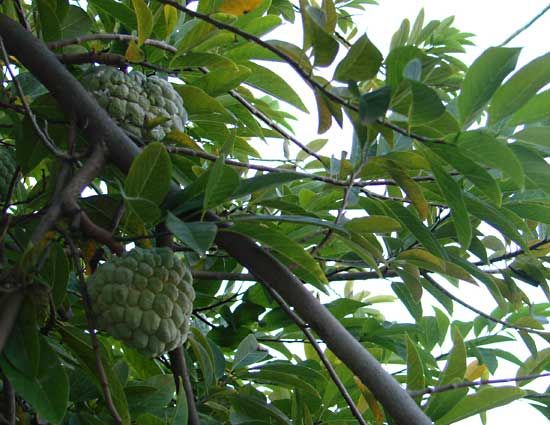
A custard apple refers to any of approximately 170 species of trees or shrubs within the genus Annona, which belongs to the Annonaceae family. These plants are characterized by their soft-fleshed, edible fruits, which are often succulent, scaly, or segmented.12
Regarding their origins, custard apples are native to the New World tropics. Specific species have distinct regional origins within this area:1
- Sweetsop (A. squamosa): Native to northern South America, Central America, and the Caribbean.3
- Cherimoya (A. cherimola): Native to the cool, frost-free mountain valleys of Peru and Ecuador.3
- Soursop (A. muricata): Likely originated in Brazil or the Antilles.3
- Atemoya (A. squamosa × cherimola): Apparently originated in Central America and the Antilles.3
While these plants are primarily tropical, they are now cultivated in various warm climates worldwide for their sweet, aromatic fruit.13
Are there any traditional medicinal uses for different parts of the custard apple plant?
Various species within the custard apple genus (Annona) are recognized in tropical regions for their traditional medicinal applications. These uses often involve different parts of the plant, including the roots, leaves, and seeds:
- Roots: Tea prepared from the roots of the sweetsop (A. squamosa) is considered a strong purgative. Similarly, extracts from the roots of the atemoya are noted for their laxative effects.1
- Leaves: Tea made from sweetsop leaves is used as a mild laxative and is believed to act as a general tonic for the digestive tract. Additionally, poultices made from the leaves of both the sweetsop and the atemoya are traditionally applied to dress infected wounds.1
- Seeds: The black seeds of the soursop (A. muricata) contain toxins that are used locally as a repellent against parasites.1
While these practices are part of local tradition, it is important to note that the efficacy and safety of these remedies vary, and the seeds in particular contain toxic compounds.1
What are some common varieties of custard apple grown around the world?
Several species of the genus Annona are cultivated globally for their edible fruits. Some of the most common varieties include:
- Common Custard Apple (Annona reticulata): Also known as bullock’s-heart, this fruit is recognized by its dark brown, quilted-appearing skin and sweet, reddish-yellow pulp.13
- Sweetsop (A. squamosa): Frequently called sugar apple, this variety is highly esteemed in regions like India and Pakistan. Its conical fruit breaks into segments when ripe, revealing a sweet, cream-colored pulp.14
- Cherimoya (A. cherimola): Native to the mountain valleys of Peru and Ecuador, this fruit is prized for its creamy, high-sugar flesh. It is commercially grown in areas like southern California.4
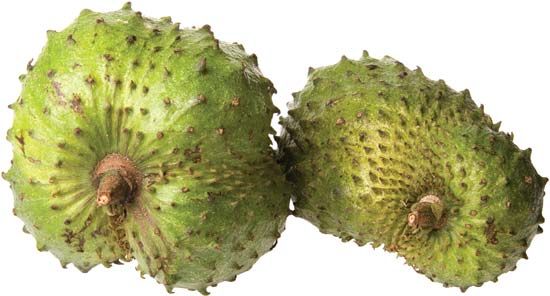
- Soursop (A. muricata): Also known as guanabana, this tapering, heart-shaped fruit features green skin covered in spiny protuberances. Its fibrous, aromatic flesh is often used in drinks and desserts.14
- Atemoya (A. squamosa × cherimola): A hybrid that combines the best features of its parents, the sweetsop and the cherimoya, resulting in a fruit that ships better than the sweetsop.45
Additionally, the pawpaw (Asimina triloba), native to North America, is another member of the Annonaceae family known for its custardlike fruit.43
What are the main differences between a cherimoya and a soursop?
While both the cherimoya and the soursop belong to the custard apple family (Annonaceae), they exhibit distinct physical and culinary characteristics:
- Appearance: The cherimoya is a large, globose fruit with pale green skin that is either smooth or features round, scale-like protrusions. In contrast, the soursop is tapering and heart-shaped, with green skin covered in distinct, spiny protuberances.
- Flesh and Texture: Cherimoya flesh is white, pulpy, and creamy, with a sweet-acid flavor and relatively few seeds. Soursop flesh is aromatic, white, and somewhat fibrous; it has a more pronounced acidulous flavor often described as a blend of strawberry, pineapple, and cinnamon.
- Culinary Use: Cherimoyas are typically consumed fresh or as juice. Soursop is frequently strained to create custards and ice cream, or its juice is extracted for use in refreshing drinks.
- Cultivation: Cherimoyas are native to cool, frost-free mountain valleys, whereas soursops are native to the American tropics and often require hand pollination in commercial settings.
Sources
- custard apple — Encyclopædia Britannica
- custard apple — Merriam-Webster
- Magnoliales - Fruit — Encyclopædia Britannica
- Cherimoya: Top Questions — Encyclopædia Britannica
- Annona — Merriam-Webster
- atemoya — Merriam-Webster
- Annonaceae — Encyclopædia Britannica
- Cherimoya — Encyclopædia Britannica
- 8 Delicious Words for Uncommon Fruits and Vegetables | Cherimoya — Merriam-Webster
Published on · 3 min read