Allioideae
The subfamily Allioideae, which is part of the Amaryllidaceae family, contains several significant culinary plants, primarily within the genus Allium. These…
Which important culinary plants belong to the Allioideae subfamily?
The subfamily Allioideae, which is part of the Amaryllidaceae family, contains several significant culinary plants, primarily within the genus Allium. These plants are widely valued for their distinct flavors and are staples in cooking globally.123
Important culinary plants in this subfamily include:
- Onion (Allium cepa): A versatile biennial herb grown for its edible bulb, used extensively in stews, soups, and salads.14
- Garlic (A. sativum): A pungent bulbous herb used as a fundamental flavoring agent in diverse cuisines.13
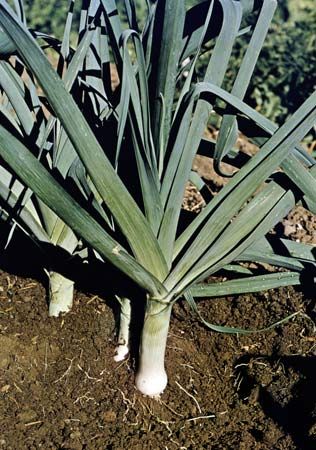
- Leek (A. porrum): Valued for its mild, onion-like flavor and used as a cooked vegetable.13
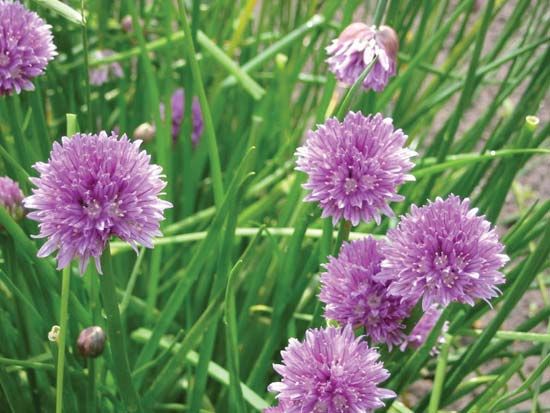
- Chives (A. schoenoprasum): A perennial herb used primarily as a garnish or seasoning for its delicate, onion-scented leaves.13
- Shallot (A. cepa, variety aggregatum): A small, angular variety of onion known for its mild flavor.24
- Green onion (scallions): Young onions harvested before the bulb fully develops, used raw or as a seasoning.54
How widespread is the distribution of Allioideae plants around the world?
The subfamily Allioideae is widely distributed across most regions of the world. Comprising approximately 18 genera, these plants are found in diverse environments, though they are notably absent from the tropics, Australia, and New Zealand.21
Members of this group, such as those in the genus Allium, are characterized by their growth from bulbs, corms, or rhizomes. While they are absent from the specific regions mentioned, they have successfully adapted to a broad range of other climates and habitats globally.21
What is the taxonomic history of the Allioideae subfamily?
The taxonomic history of the Allioideae reflects the evolving understanding of plant relationships within the order Asparagales. Historically, these plants were often treated as a distinct family known as Alliaceae.23
Under modern botanical classification systems, specifically the Angiosperm Phylogeny Group III (APG III) system, this group has been recategorized as a subfamily within the Amaryllidaceae family. This shift is part of a broader effort to organize plants based on phylogenetic evidence rather than traditional morphological groupings.23
Within this current framework, the Amaryllidaceae family is divided into three primary subfamilies:
- Allioideae: Includes the genus Allium, which contains many essential food crops like onions, garlic, leeks, and chives.34
- Amaryllidoideae: The largest subfamily, featuring various garden ornamentals such as daffodils and snowdrops.34
- Agapanthoideae: Consists of the single genus Agapanthus.34
What role do Allioideae plants play in various ecosystems?
Plants in the subfamily Allioideae play a significant role in their respective ecosystems, primarily through their interactions with herbivores and pollinators.
Chemical Defense and Ecological Interactions
Like many other plant groups, Allioideae species have evolved complex chemical compounds known as allelochemicals. These substances, which include the characteristic onion- or garlic-scented compounds, serve as vital defenses against herbivores and pathogens. By producing these compounds, the plants protect themselves from being consumed, which is a fundamental aspect of their survival and evolutionary history within their habitats.27
Pollination
While specific pollination data for every genus in the subfamily is broad, members of the group generally produce clusters of flowers that attract various insect visitors. In broader ecological contexts, flowering plants rely on insects—particularly bees—to facilitate reproduction. These insects are drawn to flowers by visual cues, such as color, and by specific fragrances. The interaction between these plants and their pollinators ensures the transfer of pollen, which is essential for the fertilization and seed production necessary to maintain plant populations within an ecosystem.8
Sources
- allium — Encyclopædia Britannica
- Allioideae — Encyclopædia Britannica
- Amaryllidaceae — Encyclopædia Britannica
- list of plants in the family Amaryllidaceae — Encyclopædia Britannica
- Onion — Encyclopædia Britannica
- Alliaceae — Merriam-Webster
- pollination - Bees — Encyclopædia Britannica
- community ecology - Specialization in grazing — Encyclopædia Britannica
- Asteraceae - Pollination — Encyclopædia Britannica
Published on · 3 min read