Almendro
The almendro tree (Dipteryx oleifera) follows a distinct reproductive cycle tied to the tropical climate of Central America. The process begins after the…
How does the flowering and fruiting process of the almendro tree work?
The almendro tree (Dipteryx oleifera) follows a distinct reproductive cycle tied to the tropical climate of Central America. The process begins after the onset of the rainy season, when the tree produces bunches of showy flowers at the ends of its branches. Within one to two months, these blooms create a characteristic purple canopy.1
The resulting fruit ripens between December and April, a period that coincides with the dry season when food is otherwise scarce in the forest. Each fruit consists of a single seed protected by a thick, wooden pod and a thin layer of sweet green pulp.1
Because young plants require distance from the parent tree to compete for resources, the almendro relies on a two-stage dispersal process:
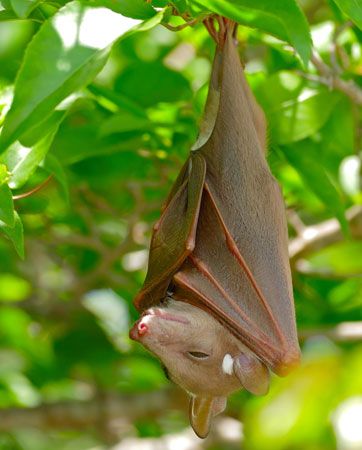
- Fruit bats carry the fruit to distant feeding roosts, where they consume the pulp and discard the seed pods.12
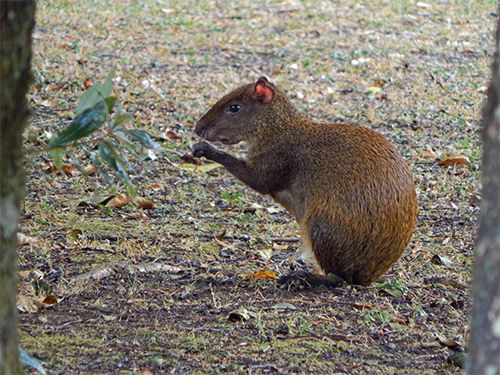
- Agoutis then locate these dropped pods and bury them. While many seeds are consumed, those that remain buried have the opportunity to sprout and grow.12
What are the unique characteristics of the almendro tree’s appearance and size?
The almendro tree (Dipteryx oleifera) is a prominent member of the Fabaceae family, known for its impressive stature and distinct physical features within Central America’s tropical forests.
Size and Stature
- Height: The tree can reach heights of up to 40 metres (131 feet).1
- Growth Habit: It is characterized by a large forking trunk and a graceful, rounded crown.1
- Growth Rate: Unlike fast-growing pioneer species, the almendro is known for its slower growth and its ability to persist for extended periods under low-light conditions.3
Appearance
- Bark: The tree’s extremely heavy and dense wood is protected by smooth bark that ranges in color from pinkish to golden.1
- Flowers: Following the start of the rainy season, the tree produces bunches of showy flowers at the ends of its branches. These blooms create a striking visual effect, as the forest canopy becomes speckled with purple crowns.1
What are the main challenges in cultivating almendro trees outside their native habitat?
Cultivating the almendro (Dipteryx oleifera) outside its native Central America presents significant challenges due to its specialized ecological requirements.
The primary obstacles include:
- Complex Dispersal Needs: The tree relies on a specific, two-stage seed dispersal process involving fruit bats to transport the fruit and agoutis to bury the seeds. Without these specific animals to move seeds away from the parent tree, young plants struggle to survive due to intense competition for sunlight and nutrients, as well as the risk of herbivory from insects living in the adult canopy.
- Climate Sensitivity: As a species native to tropical forests, the almendro is adapted to specific rainfall patterns that trigger its flowering and fruiting cycles. Replicating these conditions in non-native environments is difficult.
- Growth Characteristics: The tree is not a fast-growing pioneer species; it requires stable, long-term conditions to reach its mature height of up to 40 metres.
We could dive deeper into the specific environmental conditions of rainforest ecosystems that support such specialized species.
What is the scientific name of the almendro tree, and where is it native to?
The scientific name of the almendro tree is Dipteryx oleifera. It is native to the tropical forests of Central America.1
Sources
- Almendro — Encyclopædia Britannica
- Hitching a ride — Encyclopædia Britannica
- Rainforest regeneration in PanamaRegeneration in Panama — Encyclopædia Britannica
Published on · 2 min read