Bugbane
Bugbane refers to any of approximately 15 species of tall perennial herbs belonging to the genus Cimicifuga within the buttercup family. Native to North…
What is bugbane?
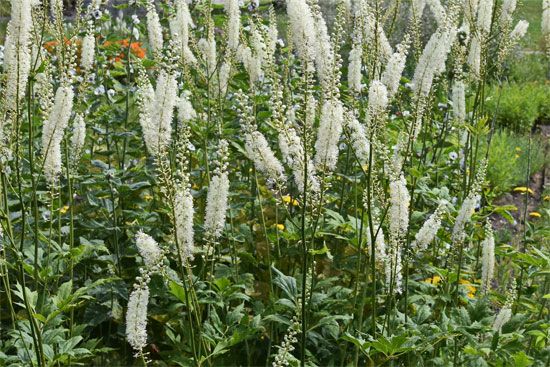
Bugbane refers to any of approximately 15 species of tall perennial herbs belonging to the genus Cimicifuga within the buttercup family. Native to North Temperate woodlands, these plants are named for the belief that the rustling of their dried seed heads drives insects away.1
Key characteristics and uses include:
- Appearance: They are known for their large, divided leaves and striking, whitish branched flower stalks, making them popular in shady woodland gardens.1
- Medicinal History: Certain species have a history of medicinal use. For example, the American bugbane (C. americana) and black cohosh (C. racemosa) are native to North America, while C. foetida is used medicinally in China.1
What other plants belong to the buttercup family?
The Ranunculaceae family, commonly known as the buttercup family, is a diverse group comprising approximately 2,252 species across 62 genera. These plants are primarily herbs found in temperate and subtropical regions, though they also appear at high elevations in the tropics.2
Beyond the buttercup (Ranunculus), the family includes many well-known wildflowers and ornamental plants, such as:
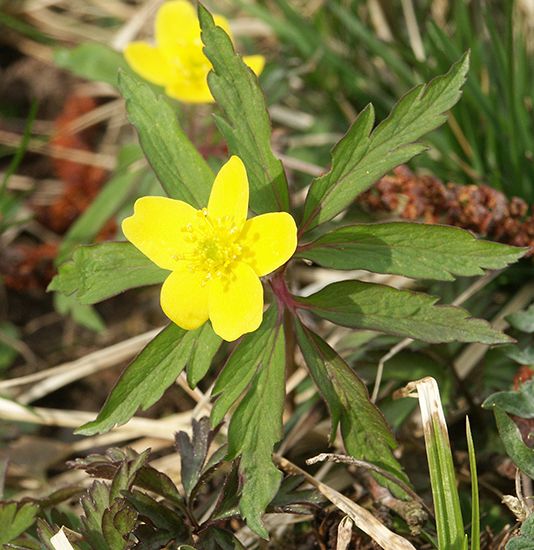
- Anemone: Popular woodland plants with delicate flowers.23
- Larkspur: Known for their strikingly showy, spurred flowers.23
- Marsh marigold: Also called cowslips or kingcups, these thrive in wet environments.23
- Columbine: Highly regarded for their unique, beautiful blossoms.3
- Hellebore: Includes the Christmas rose, valued for midwinter blooms.3
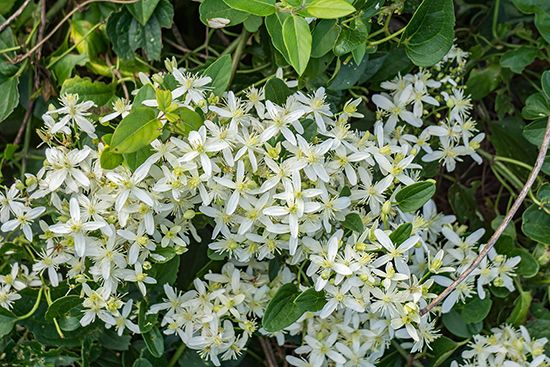
- Clematis: A genus of over 300 species, often consisting of woody vines.3
- Monkshood: Also known as wolfsbane; these are hardy perennials that are notably toxic.3
- Meadow rue: A widely recognizable genus found in various temperate regions.3
- Hepatica: A genus of small, shade-loving perennials.2
How do plants use chemical defenses to repel insects?
Plants employ a variety of chemical defenses to deter or repel insects, primarily through the production of secondary metabolites—complex compounds such as alkaloids, terpenes, and glycosides.4
These defenses function in several ways:
- Feeding Deterrents: Many secondary compounds act as deterrents when an insect bites into the plant. Insects possess specialized “deterrent cells” that respond to these chemicals, triggering aversive behavior. Examples include quinine, glucosinolates, and iridoid glycosides.5
- Toxicity: Some chemicals, such as cardenolides, have specific toxic effects. While these can be lethal to some, they often serve as a warning system; for instance, inducing vomiting in vertebrates so they learn to avoid the plant in the future.4
- Repellents: While less common, some volatile compounds can repel insects from a distance. For example, linalool, a component of many flower odors, has been shown to repel the carrot aphid.5
- Strategic Allocation: Plants often concentrate these chemical defenses in their most vulnerable tissues, such as young, nutrient-rich leaves, while relying on structural defenses like spines or tough leaves for mature growth.6
We could dive deeper into how insects have evolved to overcome these chemical barriers, such as the monarch butterfly’s adaptation to milkweed toxins.
What are the traditional medicinal uses of black cohosh?
Black cohosh (Actaea racemosa), a perennial herb native to the woodlands of eastern North America, has a long history of use in herbal medicine. Its primary traditional application involves the use of its rhizome and roots to treat symptoms associated with menopause.9
While the term “cohosh” is applied to several North American plants—some of which are medicinal and others poisonous—black cohosh is specifically recognized for its role in herbal preparations and extracts intended for therapeutic use.910
Sources
- bugbane — Encyclopædia Britannica
- Ranunculaceae — Encyclopædia Britannica
- Ranunculales — Encyclopædia Britannica
- Chemoreception - Deterrents and repellents — Encyclopædia Britannica
- Eating the rainforest — Encyclopædia Britannica
- mimicry - Carrion flowers , stinkhorn mushrooms, and mosses — Encyclopædia Britannica
- Chemoreception - Attraction — Encyclopædia Britannica
- mimicry - The chemical basis for repulsion — Encyclopædia Britannica
- black cohosh — Merriam-Webster
- cohosh — Merriam-Webster
Published on · 3 min read