Anseriform
Anseriform birds—a group comprising ducks, geese, and swans—possess several specialized adaptations for their aquatic or semi-aquatic lifestyles:
How are Anseriform birds adapted for their aquatic or semi-aquatic lifestyles?
Anseriform birds—a group comprising ducks, geese, and swans—possess several specialized adaptations for their aquatic or semi-aquatic lifestyles:
- Locomotion: Most waterfowl are highly adapted for swimming with powerful legs and webbed feet. While surface swimming involves alternating paddle strokes, diving species use both feet in unison for propulsion. Some species exhibit streamlined body forms to reduce resistance, and diving ducks can modify blood flow to prioritize the central nervous system while submerged.123
- Plumage and Insulation: These birds maintain waterproof feathers through frequent preening, using oil from a specialized preen gland located near the tail. Additionally, their bodies are insulated by fat layers, which help maintain their homeothermic body temperature.1456
- Feeding: Their bills are highly specialized for their specific diets, often featuring fine lamellae that act as strainers to sift food from water or mud.78
- Physiology: Marine-dwelling species possess enlarged nasal glands to excrete excess salt.36
How do Anseriform birds contribute to their ecosystems and interact with humans?
Anseriform birds—including ducks, geese, and swans—play significant roles in their ecosystems and maintain complex, long-standing relationships with humans.
Ecological Contributions
Waterfowl serve as vital biological indicators of wetland health. Their presence and population stability reflect the quality of their habitats, which are essential for diverse food production and shelter. Through their feeding habits, they interact with various species; for example, some waterfowl nest near gulls for protection, while their foraging activities in agricultural fields can perform a useful “cleaning” service by consuming spilled grain and tubers after harvests. Furthermore, their migration patterns and metabolic feats provide critical data for ornithologists studying animal behavior and environmental adaptation.1151213
Human Interaction
- Resources and Agriculture: Humans have historically relied on waterfowl for protein, fat, and feathers (especially down). While some species are domesticated for meat and egg production, others are managed in semi-domesticated settings.1213
- Conservation and Recreation: Because habitat loss threatens these birds, international agreements and organizations like Ducks Unlimited work to conserve wetlands. Additionally, waterfowl refuges provide educational opportunities for the public to observe nature.12
- Conflicts: Interactions are not always positive; waterfowl can be viewed as agricultural pests when they consume standing crops, though such damage is often exaggerated. They can also act as reservoirs for certain diseases, necessitating careful management.121113
How do Anseriform birds reproduce and care for their young?
Anseriform birds—a group including ducks, geese, and swans—exhibit specialized reproductive behaviors and parental care strategies adapted to their environments.
Reproductive Behavior
- Courtship and Mating: Pair formation typically occurs on wintering grounds. Courtship involves ritualized displays that reduce hostility and ensure species recognition. Copulation generally takes place in the water in isolation to avoid disturbance.151617
- Nesting: Females primarily select the nest site and construct the nest using local materials. Nests may be located on dry land or among marsh vegetation over water. Most species line their nests with down plucked from the female’s breast, which serves to insulate the eggs and hide them from predators when the female is away.16
- Egg Laying and Incubation: Females typically lay one egg per day. In most species, only the female incubates the eggs, often fasting during this period. Incubation usually begins only after the full clutch is laid, ensuring synchronized hatching.1516
Care of the Young
- Precocial Development: Anseriform hatchlings are precocial, meaning they emerge covered in down and are capable of swimming and foraging for themselves within 24 to 48 hours of hatching.1518
- Parental Roles: While the young are self-sufficient in feeding, parents provide essential protection. The female guards and broods the young during inclement weather and at night. In geese and swans, the male remains with the family, whereas in many duck species, the male deserts the female once incubation begins.15
- Independence: Young ducks typically become independent upon fledging. Conversely, young geese and swans often remain with their parents through their first winter, migrating together to and from wintering grounds.15
What are some examples of well-known Anseriform species?
The order Anseriformes, commonly known as waterfowl, includes a diverse array of species within the family Anatidae, such as ducks, geese, and swans.
Notable Anseriform Species
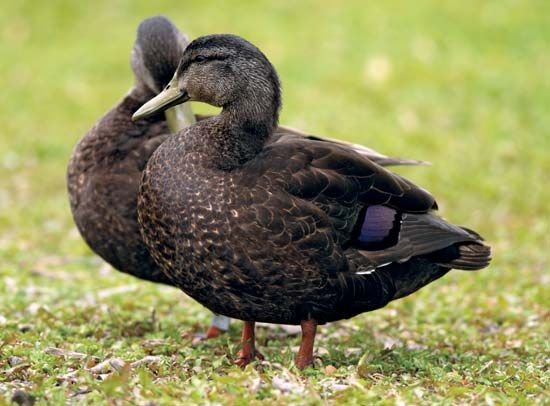
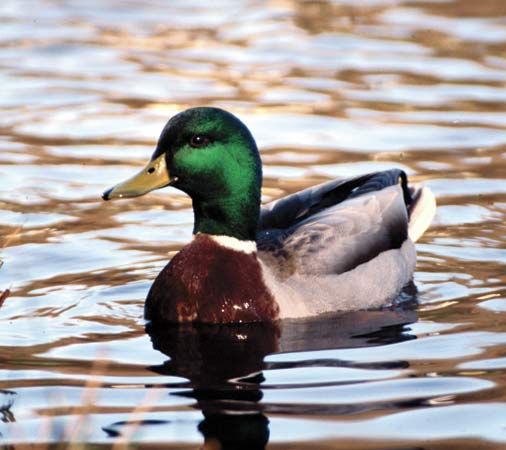
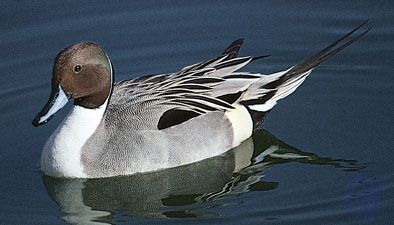
- Dabbling Ducks: These include the mallard, which is one of the most abundant and well-known waterfowl and the ancestor of most domestic ducks. Other prominent examples are the pintail, gadwall, shoveler, wigeon, and black duck.215
- Diving and Perching Ducks: This group features the wood duck and mandarin duck, known for their arboreal habits, as well as marine-associated species like eiders, scoters, and canvasbacks.5
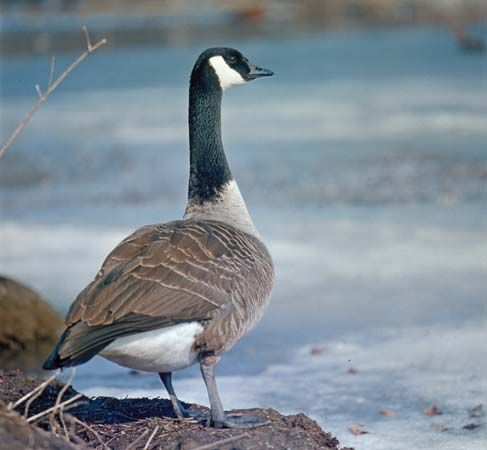
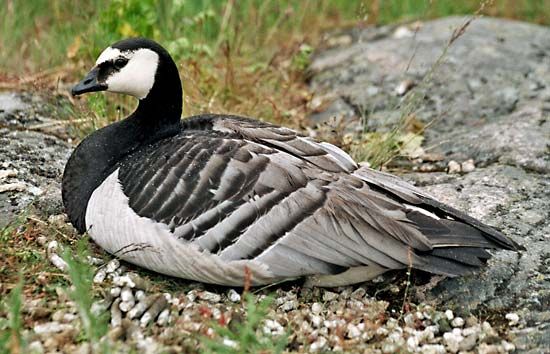
- Geese: Well-known species include the Canada goose, snow goose, barnacle goose, and the nene (Hawaiian goose), a species that has been successfully recovered from near-extinction through conservation efforts.2211
- Swans: Iconic species include the mute swan, the trumpeter swan—the largest swan species—and the whistling swan.23
These birds are essential to their environments, often serving as biological indicators of wetland health. While some species have been domesticated for thousands of years, others remain wild and are highly valued for their role in natural ecosystems and their significance to human culture and recreation.24822
Sources
- Anseriform - Locomotion — Encyclopædia Britannica
- Anseriform - Behaviour — Encyclopædia Britannica
- Preen gland — Encyclopædia Britannica
- Anseriform - Anatomy — Encyclopædia Britannica
- Anseriform — Encyclopædia Britannica
- Anseriform - Physiology — Encyclopædia Britannica
- Bird - Muscles and organs — Encyclopædia Britannica
- Anseriform - General features — Encyclopædia Britannica
- Locomotion - Tetrapodal vertebrates — Encyclopædia Britannica
- Bird - Swimming and diving — Encyclopædia Britannica
- Anseriform - Importance to humans — Encyclopædia Britannica
- Bird - Importance to man — Encyclopædia Britannica
- Anseriform - Ecology — Encyclopædia Britannica
- What do ducks eat? — Encyclopædia Britannica
- Anseriform - Life history — Encyclopædia Britannica
- Anseriform - Reproductive behaviour — Encyclopædia Britannica
- Reproductive behaviour - Birds — Encyclopædia Britannica
- Did you know? — Merriam-Webster
- Reproductive behaviour - Courtship — Encyclopædia Britannica
- Galliform - Care of the young — Encyclopædia Britannica
- Dabbling duck — Encyclopædia Britannica
- Duck — Encyclopædia Britannica
- Goose — Encyclopædia Britannica
- Swan — Encyclopædia Britannica
Published on · 4 min read