Artiodactyl
Yes, many artiodactyls (even-toed ungulates) face significant conservation challenges. While the order includes widespread species, others have become highly…
Are there any endangered artiodactyl species, and what efforts are being made to protect them?
Yes, many artiodactyls (even-toed ungulates) face significant conservation challenges. While the order includes widespread species, others have become highly restricted or endangered due to habitat loss, poaching, and environmental pressures.
Endangered Species and Threats
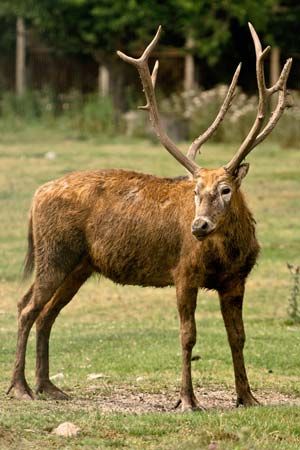
Several artiodactyls are currently at risk. For example, Père David’s deer only survived because it was preserved in private hunting parks after its wild populations were decimated. Other species, such as Hunter’s hartebeest and the dibatag, are threatened by their extremely restricted geographic ranges in eastern Africa. Historically, human activities—ranging from prehistoric hunting to modern habitat destruction and the spread of firearms—have led to significant population declines and extinctions within this group.
Conservation Efforts
Protecting these animals involves a combination of legal and active management strategies:
- Legal Protections: International agreements, such as the Convention on International Trade in Endangered Species, prohibit the commercial trade of designated endangered species to curb exploitation.
- Habitat and Anti-Poaching Measures: Direct protection within reserves is critical, though costly. Efforts to deter poaching require significant financial resources to monitor and secure protected areas.
- Captive Breeding: Zoos play a vital role in preventing extinction by maintaining populations of endangered species and conducting reintroduction programs to bolster numbers in the wild.
How do humans interact with and utilize artiodactyls in various cultures and industries?
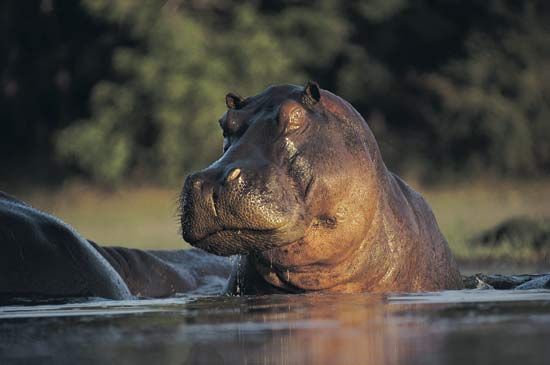
Artiodactyls, or even-toed ungulates, are of greater economic and cultural importance to humans than any other group of mammals.3
Historical and Economic Utility
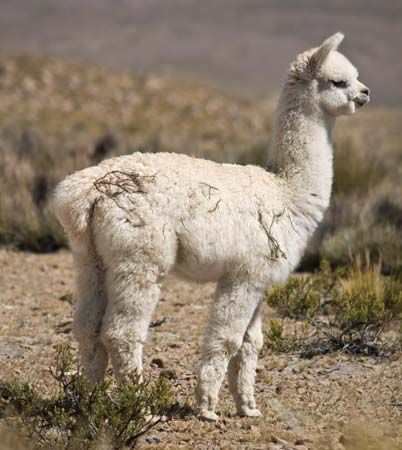
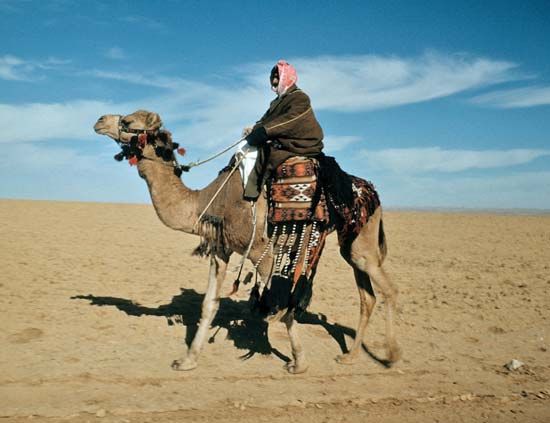
Humans have exploited artiodactyls for nearly 2 million years, initially relying on them for food, clothing, and tools. The domestication of these animals marked a pivotal shift in human history, beginning with sheep and goats around 7000 BCE, followed by cattle and pigs. Beyond basic sustenance—meat, milk, and hides—these animals provide essential materials like wool and cashmere. In various cultures, they serve as beasts of burden, such as the llama in South America or the dromedary in arid regions.6
Cultural and Industrial Roles
- Hunting: Artiodactyls are the most extensively hunted group of mammals. While historically reserved for the aristocracy, sport hunting today supports a multimillion-dollar industry.6
- Specialized Tasks: Some species perform unique roles, such as pigs being used to locate underground truffles.6
- Conservation: Human interaction has also led to the near-extinction of many species through overhunting and habitat destruction, prompting modern efforts to preserve animals like Père David’s deer within protected parks.6
What role do artiodactyls play in their respective ecosystems?
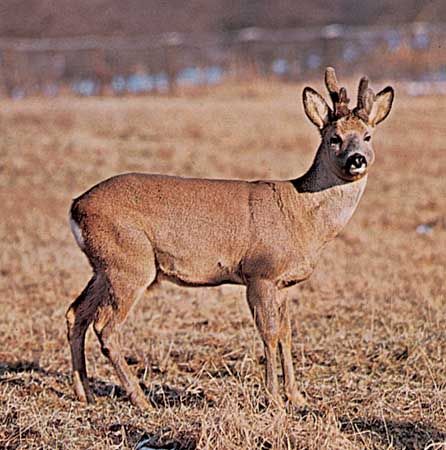
Artiodactyls, or even-toed ungulates, play a fundamental role in their ecosystems primarily as primary consumers that regulate vegetation and facilitate nutrient cycling. Their ecological impact is defined by several key interactions:7
- Vegetation Management: Artiodactyls are highly specialized herbivores that consume a wide variety of plant life, from grasses and herbs to shrubs and tree foliage. Through grazing and browsing, they influence the structure and succession of plant communities. For instance, different species often partition food resources by feeding at varying heights or in different habitats, which minimizes competition and maximizes the utilization of environmental resources.7
- Nutrient Cycling and Seed Dispersal: These animals contribute to ecosystem health by cycling nutrients through their waste. In some regions, specific plants, such as certain Acacia seedlings, germinate more effectively in areas enriched by artiodactyl dung. Furthermore, they act as agents of seed dispersal; some seeds are inadvertently transported via “epizoochory” (clinging to fur) or by becoming lodged between hooves, a process sometimes referred to as “trample burrs”.78
- Grazing Successions: In complex ecosystems like the Serengeti, artiodactyls participate in grazing successions, where one species grazes an area, leaving the vegetation in a condition suitable for subsequent species to feed. This mechanism ensures the efficient use of available plant biomass.7
- Trophic Balance: As herbivores, they serve as a critical food source for carnivores, and their presence or absence can trigger shifts in plant community composition, as seen in studies where changes in herbivore populations led to significant alterations in landscape vegetation.7
What are some unique behavioral traits observed in different artiodactyl species?
Artiodactyls exhibit a wide range of unique behavioral traits, largely shaped by their social structures, reproductive needs, and environmental adaptations.
Social and Territorial Behavior
Social organization among artiodactyls varies from solitary living to large, complex herds. Many species utilize “social facilitation,” where the collective actions of a herd—such as fleeing from a predator—increase the survival chances of the group.12
- Territoriality: Territorial defense is common, though it varies significantly. For example, male Uganda kob antelopes defend tiny breeding territories, while wild pigs maintain a home range with little territorial defense.12
- Stylized Fighting: To minimize lethal injuries during competition, many species have evolved ritualized combat. Stags and some antelopes use their horns or antlers to “wrestle” rather than gore opponents. In contrast, hornless species like pigs may engage in more dangerous biting and kicking.12
Reproductive and Maternal Traits
Reproductive behaviors are often highly specialized:
- Flehmen Response: Many advanced artiodactyls perform the flehmen response—curling the upper lip after sniffing urine—to detect females in heat.13
- Precocity: Most artiodactyl young are remarkably precocious. A wildebeest calf, for instance, can stand within five minutes of birth and keep pace with an adult within 24 hours.13
- Maternal Care: While some species, like ruminants, eat the afterbirth and their young’s waste to hide them from predators, others like the wild pig show comparatively little maternal attention.13
Feeding Adaptations
Artiodactyls have evolved distinct strategies to exploit their environments:
- Ruminant Digestion: Advanced artiodactyls can “bolt” food and ruminate (chew the cud) later in safer areas, allowing them to conserve energy and avoid predators.7
- Specialized Foraging: Reindeer use their front feet to scrape snow to reach lichens, while warthogs use their tusks and specialized skin thickenings to forage for grass under thorny bushes.7
Sources
- conservation - Protecting species — Encyclopædia Britannica
- artiodactyl - Abundance and distribution — Encyclopædia Britannica
- artiodactyl - Importance to humans — Encyclopædia Britannica
- artiodactyl - Areas of distribution — Encyclopædia Britannica
- Zoos - Pro 3: Zoos save species from extinction and other dangers. — Encyclopædia Britannica
- artiodactyl — Encyclopædia Britannica
- artiodactyl - Food habits — Encyclopædia Britannica
- Tertiary Period - The rise of mammals — Encyclopædia Britannica
- seed - Dispersal by animals — Encyclopædia Britannica
- seed dispersal — Encyclopædia Britannica
- artiodactyl - General structure — Encyclopædia Britannica
- artiodactyl - Social behaviour — Encyclopædia Britannica
- artiodactyl - Reproduction — Encyclopædia Britannica
Published on · 5 min read