What Is the Difference Between a Pronghorn and an Antelope?
Although pronghorns are sometimes called "American antelopes," they are not closely related to true antelopes. While both are hoofed ruminant mammals in the…
What is the difference between a pronghorn and an antelope?
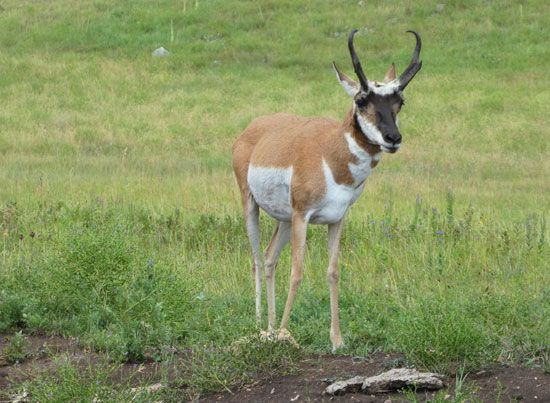
Although pronghorns are sometimes called “American antelopes,” they are not closely related to true antelopes. While both are hoofed ruminant mammals in the order Artiodactyla, they belong to distinct families.12
The primary differences include:
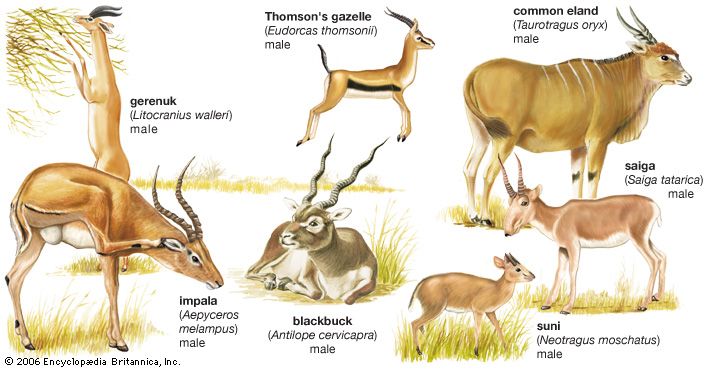
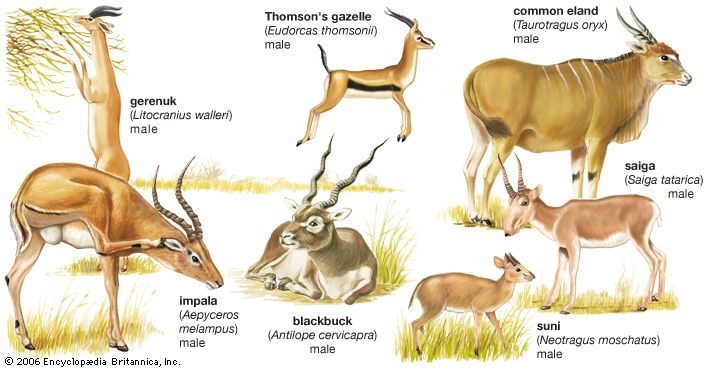
- Taxonomy: The pronghorn (Antilocapra americana) is the sole member of the family Antilocapridae and is native to North America. Antelopes comprise over 90 species within the family Bovidae, found primarily in Africa and Asia.1
- Horns: Pronghorns possess unique, branching horns that they shed annually. In contrast, true antelopes have unbranched horns that are never shed.12
- Speed and Habitat: Pronghorns are highly evolved runners capable of reaching 70 km (43 miles) per hour, making them faster than any Old World antelope. They are restricted to open plains and semideserts, whereas antelopes occupy diverse landscapes ranging from dense forests to savannas.12
What extinct predators influenced the evolution of the pronghorn’s speed?
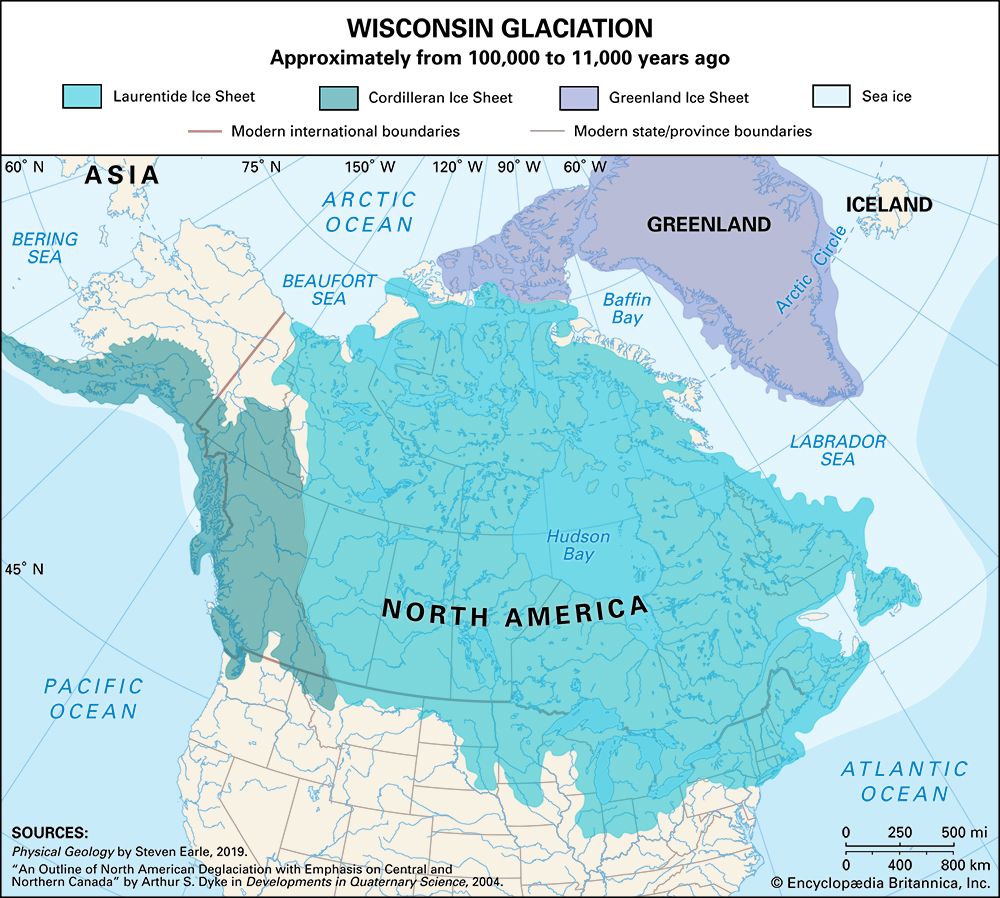
The remarkable speed of the pronghorn is widely considered an evolutionary adaptation driven by the intense predation pressures of the Pleistocene Epoch. Scientists believe that pronghorns evolved their ability to reach speeds of 70 km (43 miles) per hour primarily to outrun swift, extinct predators that once roamed North America.31
Among the most notable of these predators was the extinct American cheetah, which is frequently cited as a primary driver for the development of the pronghorn’s extreme cursorial (running) abilities. Other formidable carnivores present during this era that likely influenced the survival of the fastest individuals included the dire wolf, the American lion, sabre-toothed cats, and the giant short-faced bear. This intense “arms race” between predators and their prey during the Ice Age resulted in the highly specialized physical traits seen in the modern pronghorn.143
How do the horns of a pronghorn differ from the antlers of a deer?
The horns of a pronghorn and the antlers of a deer are fundamentally different structures in terms of composition, growth, and shedding cycles.56
Pronghorn Horns
- Composition: Pronghorn horns consist of a permanent, unbranched bony core covered by a sheath of keratin (a protein similar to that found in fingernails).53
- Shedding: They are unique because the outer keratinous sheath is shed and regrown annually, while the underlying bony core remains.136
- Presence: Both males and females typically possess horns, though they are generally longer in males.17
Deer Antlers
- Composition: Antlers are composed entirely of solid bone and are not covered by a keratinous sheath. During their growth phase, they are covered in a nutrient-rich, skin-like tissue called “velvet,” which is rubbed off once the bone has fully developed.5368
- Shedding: Unlike pronghorn horns, the entire antler structure is shed and regrown from the skull each year.85
- Presence: In most deer species, only males grow antlers; the notable exception is the reindeer, in which both sexes carry them.83
What are some other examples of animals in the Bovidae family?
The family Bovidae is a diverse group of hoofed mammals that includes over 140 species. While they are often associated with domestic livestock, the family encompasses a wide variety of wild animals categorized into several subfamilies.910
Here are some notable examples of animals in the Bovidae family:
- Cattle and Relatives (Subfamily Bovinae): This group includes domestic cattle, bison, buffaloes, and the yak. It also contains spiral-horned antelopes such as the eland, kudu, nyala, and bushbuck.9111012
- Sheep, Goats, and Relatives (Subfamily Caprinae): This subfamily includes domesticated sheep, goats, the musk-ox, chamois, and the Rocky Mountain goat.10
- Antelopes: Beyond those in Bovinae, many other antelopes belong to different subfamilies:
Sources
- What is the difference between a pronghorn and an antelope? — Encyclopædia Britannica
- antelope — Merriam-Webster
- pronghorn — Encyclopædia Britannica
- Quaternary - Fauna and flora — Encyclopædia Britannica
- Why do deer shed their antlers? — Encyclopædia Britannica
- horn — Encyclopædia Britannica
- artiodactyl - Horns and antlers — Encyclopædia Britannica
- Integument - Horns and antlers — Encyclopædia Britannica
- bovid — Encyclopædia Britannica
- artiodactyl - Annotated classification — Encyclopædia Britannica
- List of cattle — Encyclopædia Britannica
- antelope — Encyclopædia Britannica
Published on · 3 min read