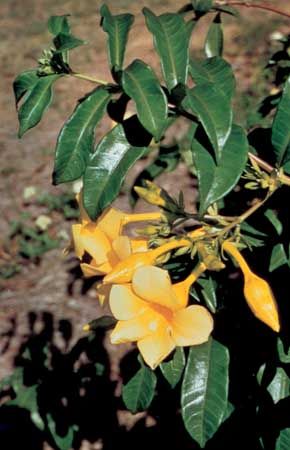
Asclepiadoideae
The evolutionary history of the Asclepiadoideae subfamily, commonly known as the milkweed group, is defined by its transition from a formerly independent…
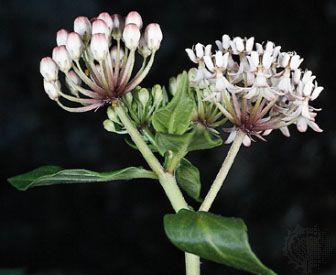
What is the evolutionary history of the Asclepiadoideae subfamily?
The evolutionary history of the Asclepiadoideae subfamily, commonly known as the milkweed group, is defined by its transition from a formerly independent family, Asclepiadaceae, to its current classification within the Apocynaceae family.
Botanical research, specifically DNA sequencing and analysis of morphological traits, has provided strong evidence that this group is evolutionarily derived from within the Apocynaceae. Consequently, the Angiosperm Phylogeny Group III (APG III) system reclassified it as a subfamily. This relationship is supported by shared characteristics such as the presence of milky sap and a highly modified gynoecium.12
The subfamily is distinguished by complex evolutionary adaptations for pollination, most notably the development of pollinia—pollen massed into bundles—and specialized floral structures like the corona. These features facilitate a sophisticated mechanism where insects carry pollen packets between flowers. Furthermore, the ongoing co-evolutionary “arms race” between these plants and their predators, such as the monarch butterfly, highlights the group’s dynamic evolutionary path regarding chemical defenses like cardenolides.12
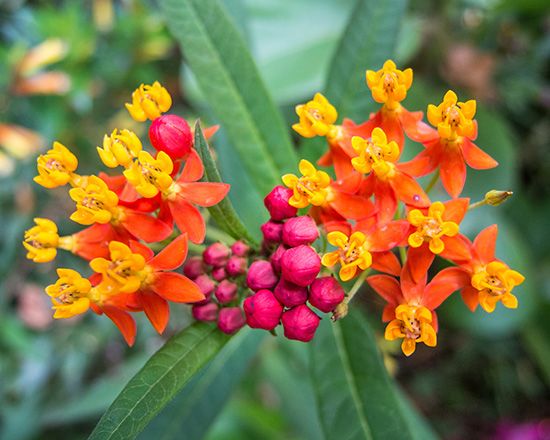
How do Asclepiadoideae plants interact with specific insect species for pollination?
Plants in the Asclepiadoideae subfamily (the milkweed group) utilize a highly specialized and complex mechanism for pollination that relies on the physical interaction between the plant and visiting insects.61
The Pollination Mechanism
In these plants, the male and female reproductive parts are united into a single structure. The pollen is not shed as individual grains but is instead massed into bundles called pollinia. These pollinia are organized in pairs and linked by a yokelike bar of tissue derived from the stigma of the pistil.61
When an insect lands on the flower to forage, parts of the pollinia become attached to the insect’s body. As the insect moves to other flowers, it carries these pollen bundles, facilitating cross-pollination. While this process is complex, it is highly effective when successful, as it allows for the transfer of a large number of pollen grains, resulting in the production of many seeds.61
Insect Interactions
The plants attract a variety of insect pollinators through different strategies:
- Generalist Pollinators: Many milkweed species are visited by a wide range of insects that are attracted to the nectar produced by the flowers.61
- Fly-Pollinated Species: Certain succulent members of the subfamily, such as the carrion flower (Stapelia), produce odors that humans find offensive but which specifically attract flies to pollinate the plants.6
- Symbiotic Protection: Some species, such as the ant plant (Dischidia rafflesiana), have evolved to host symbiotic ants. These ants live within the plant’s specialized hollow leaves and provide protection against harmful insects that might otherwise damage the plant.6
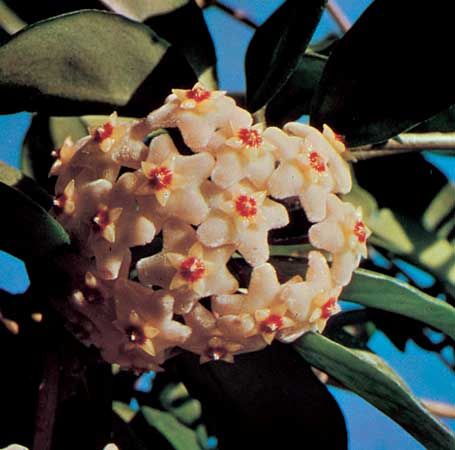
How do Asclepiadoideae plants compare to other subfamilies within the Apocynaceae family?
The Asclepiadoideae subfamily, or milkweed group, is a distinct lineage within the Apocynaceae family. While all members of the Apocynaceae share characteristics such as milky, often poisonous sap, smooth-margined leaves, and flowers typically arranged in clusters, the Asclepiadoideae are distinguished by several specialized evolutionary adaptations.89
The primary differences between Asclepiadoideae and other subfamilies within the Apocynaceae include:
- Pollination Mechanism: The most defining feature of the Asclepiadoideae is the presence of pollinia—pollen grains massed into bundles that are linked by a yokelike bar of tissue. This complex structure requires visiting insects to physically carry the pollen packets between flowers, a mechanism not found in the same specialized form in other Apocynaceae subfamilies.89
- Floral Structure: In Asclepiadoideae, the male and female reproductive parts are united into a single, highly modified structure. While other Apocynaceae also feature showy flowers, the Asclepiadoideae often exhibit unique floral modifications, such as the corona, which assist in their specific pollination strategies.89
- Ecological Adaptations: The subfamily includes a wide range of specialized forms, including succulent plants like Hoodia and Stapelia that attract flies with offensive odors, and the ant plant (Dischidia rafflesiana), which hosts symbiotic ants within its hollow leaves. These adaptations are particularly pronounced within this subfamily compared to the broader, more generalist traits of other Apocynaceae genera.89
How does the latex produced by many Asclepiadoideae plants function, and what role does it play in the plants’ defense mechanisms?
The latex produced by many Asclepiadoideae plants is a complex, milky colloidal suspension that circulates through a system of branched tubes within the plant’s tissues. This substance serves as both an excretory reservoir and a sophisticated defense mechanism against herbivores.1
Defensive Functions
The latex provides protection through two primary methods:
- Physical Entrapment: As a sticky, viscous fluid, latex acts as a physical deterrent. When a herbivore damages the plant, the latex exudes from the wound, potentially entrapping or gumming up the mouthparts of small insects, thereby discouraging further feeding.111
- Chemical Toxicity: The latex is often enriched with cardenolides (cardiac glycosides), which are highly toxic to vertebrates. These compounds affect the heart and trigger the brain’s vomiting center. Because the dose required to induce vomiting is significantly lower than a lethal dose, animals that sample the plant often survive with a learned aversion to it.1213
While these defenses are effective against many generalist herbivores, some specialized insects, such as the monarch butterfly (Danaus plexippus), have evolved to consume the plant. These larvae sequester the cardenolides, retaining the toxins through their pupal stage to adulthood, which provides the butterflies with chemical protection against their own predators.1213
Sources
- Asclepiadoideae — Encyclopædia Britannica
- milkweed — Encyclopædia Britannica
- Gentianales - Apocynaceae — Encyclopædia Britannica
- Asclepiadaceae — Merriam-Webster
- Asclepiodora — Merriam-Webster
- angiosperm - Pollination — Encyclopædia Britannica
- orchid - Bee pollination — Encyclopædia Britannica
- Asparagales - Flowers — Encyclopædia Britannica
- Apocynaceae — Encyclopædia Britannica
- Apocynaceae — Merriam-Webster
- mimicry - The chemical basis for repulsion — Encyclopædia Britannica
- Eating the rainforest — Encyclopædia Britannica
- latex — Encyclopædia Britannica
Published on · 4 min read