Bakhuis Gebergte
The Bakhuis Gebergte is a range of hills located in west-central Suriname. Extending approximately 70 miles (110 km) in a north–south direction, these hills…
What is Bakhuis Gebergte?
The Bakhuis Gebergte is a range of hills located in west-central Suriname. Extending approximately 70 miles (110 km) in a north–south direction, these hills serve as a geographic divide, separating the basins of the Kabalebo and Nickerie rivers to the west from the basin of the Coppename River to the east.1
Geologically, the range is a northward continuation of the higher Wilhelmina Gebergte, which lies to the south. The Bakhuis Gebergte is relatively low-lying, reaching a maximum elevation of 3,369 feet (1,027 meters). While the Wilhelmina Gebergte is noted for containing Suriname’s largest bauxite deposit, the Bakhuis Gebergte represents a distinct hilly transition within the broader landscape of the region.12
What is the Guiana Shield?
The Guiana Shield is a Precambrian geological formation that serves as a foundational region of low mountains in South America. It is located along the southern borders of Guyana, Suriname, and French Guiana, rising to the region’s highest point at Mount Roraima, which reaches an elevation of 9,094 feet (2,772 meters).3
Geologically, the shield is part of the broader Guiana Highlands, a plateau and low-mountain region characterized by dense tropical rainforest and crystalline rocks. The area is exceptionally rich in mineral resources, including gold and diamonds, though bauxite is the primary mineral exploited on a large scale in the region. Due to its rugged terrain and heavy plant cover, exploration of the shield’s mineral wealth remains challenging.43
How does the tropical rainforest ecosystem support wildlife in Suriname?
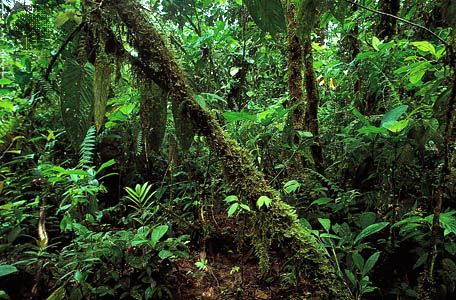
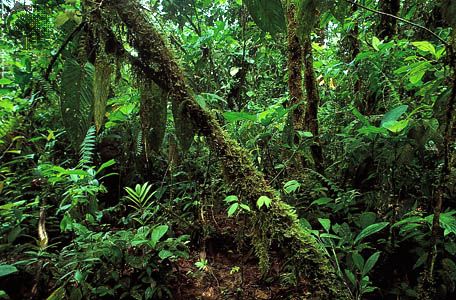
The tropical rainforest ecosystem of Suriname is vital for supporting a vast array of wildlife, with approximately four-fifths of the country covered by these dense, pristine forests. This heterogeneous environment, which includes over 1,000 species of trees, provides the essential habitat and resources necessary for diverse animal populations to thrive.56
The forest supports a rich variety of fauna, including:
- Mammals: There are about 150 species, such as monkeys, wild pigs (peccaries), deer, jaguars, ocelots, armadillos, sloths, and anteaters. The tapir is recognized as the largest land mammal in the region.64
- Birds: Approximately 650 species have been identified, including hummingbirds, vultures, parrots, and scarlet macaws.64
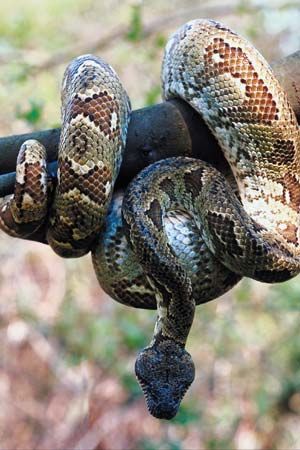
- Reptiles: The ecosystem hosts various species, including caimans, iguanas, and the boa constrictor.6
To protect this biodiversity, the Central Suriname Nature Reserve was established in 1998. Covering nearly 3,950,000 acres, it is one of the largest protected rainforest areas in the world and serves as a critical sanctuary for the country’s wildlife.6
What is bauxite and why is it important?
Bauxite is a rock primarily composed of a mixture of hydrous aluminum oxides and serves as the principal ore of aluminum. It is typically formed through the thorough weathering of various rocks in tropical and subtropical climates, where heavy rainfall and good drainage provide optimal conditions for its development.910
Importance and Uses
Bauxite is essential to the global economy because it is the primary source of aluminum, the third most abundant element on Earth’s surface. Its importance is defined by several key factors:10
- Aluminum Production: Approximately 90 percent of all mined bauxite is refined into alumina and subsequently smelted into aluminum. Because aluminum rarely occurs in nature in its metallic form, bauxite is the most practical and economical source for industrial production.111210
- Industrial Applications: The remaining 10 percent of bauxite is utilized in various industrial applications, including the production of abrasives, refractories, and proppants used in crude oil recovery.11
- Economic Value: For nations like Guyana and Suriname, bauxite is a major economic driver and a principal export.4
Sources
- Bakhuis Gebergte — Encyclopædia Britannica
- Wilhelmina Gebergte — Encyclopædia Britannica
- Guiana Highlands — Encyclopædia Britannica
- The Guianas — Encyclopædia Britannica
- Suriname - Plant and animal life — Encyclopædia Britannica
- Suriname — Encyclopædia Britannica
- French Guiana - Land — Encyclopædia Britannica
- Manas National Park: Top Questions — Encyclopædia Britannica
- aluminum processing - Extraction and refining — Encyclopædia Britannica
- aluminum processing - Ores — Encyclopædia Britannica
- bauxite — Encyclopædia Britannica
- aluminum processing - Mining — Encyclopædia Britannica
Published on · 3 min read