Balloon Vine
The balloon vine (Cardiospermum halicacabum) is a woody perennial vine belonging to the soapberry family (Sapindaceae). Native to tropical and subtropical…
What is balloon vine?
The balloon vine (Cardiospermum halicacabum) is a woody perennial vine belonging to the soapberry family (Sapindaceae). Native to tropical and subtropical regions of the Americas, it is widely cultivated as an ornamental plant.12
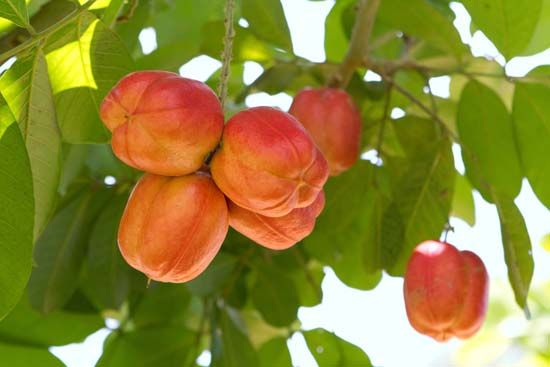
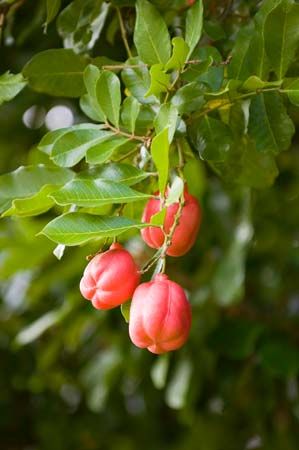
The plant is characterized by its small white flowers and distinctive, nearly globular inflated fruits that measure approximately 2.5 cm (1 inch) in diameter. Its seeds are notable for being black with a prominent heart-shaped white spot. While the vine can reach lengths of up to 3 meters (10 feet) as a perennial, it is frequently grown from seed as an annual in many gardens.1
What are some other plants in the soapberry family?
The soapberry family (Sapindaceae) is a diverse group of approximately 1,925 species, primarily consisting of trees, shrubs, and woody climbers known as lianas. Beyond the balloon vine, the family includes a wide variety of economically and ecologically significant plants:34
- Edible Fruits: Several members are well-known for their fruit, including lychee, longan, rambutan, and Spanish lime (mamoncillo). The ackee is also a member, though it must be prepared carefully to avoid toxicity.34
- Maples: The genus Acer, which includes the sugar maple, red maple, and box elder, is now classified within this family.34
- Ornamentals: The goldenrain tree and hopbush are frequently cultivated for their aesthetic value.34
- Other Notable Species: The family includes buckeye and horse chestnut trees, as well as guarana, a vine valued for its high caffeine content. Additionally, the soapberry genus (Sapindus) is named for the saponins in its fruit, which produce a lather used for cleaning.34
Why do the seeds of the balloon vine have a heart-shaped spot?
The seeds of the balloon vine (Cardiospermum halicacabum) are black with a distinct, heart-shaped white spot. This unique marking is the reason the plant is also commonly referred to as heartseed.71
While the visual appearance of the seed is well-documented, the provided information does not specify an evolutionary or biological function for this particular heart-shaped pattern.
How do balloon vines spread in the wild?
The provided search results do not contain information regarding the specific mechanisms by which balloon vines (Cardiospermum halicacabum) disperse their seeds or spread in the wild.
Sources
- balloon vine — Encyclopædia Britannica
- balloon vine — Merriam-Webster
- list of plants in the family Sapindaceae — Encyclopædia Britannica
- Sapindales — Encyclopædia Britannica
- Sapindaceae — Merriam-Webster
- Sapindaceae — Encyclopædia Britannica
- heartseed — Merriam-Webster
- Seed - Dispersal by wind — Encyclopædia Britannica
Published on · 2 min read