Spanish Lime
The Spanish lime (Melicoccus bijugus) is a tree belonging to the soapberry family (Sapindaceae) that is native to the West Indies. Also known as a genip, the…
What is Spanish lime?
The Spanish lime (Melicoccus bijugus) is a tree belonging to the soapberry family (Sapindaceae) that is native to the West Indies. Also known as a genip, the tree can reach heights of approximately 15 meters (50 feet).12
The plant produces small, fragrant, greenish-white flowers and a green fruit classified as a drupe. This fruit consists of a single stony seed encased in soft, juicy, and flavorful flesh that is typically yellow or white.1
What other fruits belong to the soapberry family?
The soapberry family, Sapindaceae, includes a wide variety of plants, many of which are well known for their edible fruits. Notable examples include:
- Lychee (Litchi chinensis)
- Longan (Dimocarpus longan)
- Rambutan (Nephelium lappaceum)
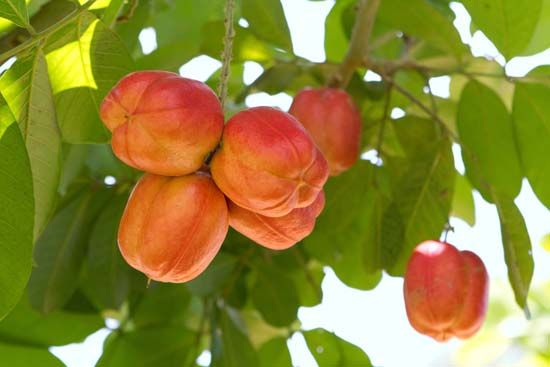
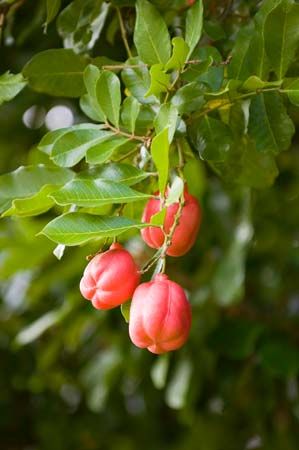
- Ackee (Blighia sapida), the national fruit of Jamaica
- Senegal cherry (Lepisanthes senegalensis)
- Guarana (Paullinia cupana), whose seeds are used to make a caffeinated beverage
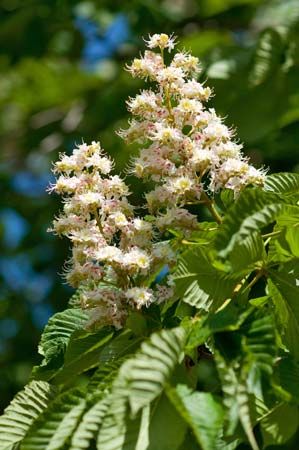
Additionally, the family encompasses several other diverse plants, such as maple trees (genus Acer), horse chestnut and buckeye trees (genus Aesculus), the goldenrain tree, and the balloon vine.34
It is important to note that while the “Spanish lime” is a member of the soapberry family, common culinary limes (such as the Persian or Key lime) belong to the Rutaceae family and are not related to the soapberry group.345
In which tropical regions is the Spanish lime tree typically found?
The Spanish lime (Melicoccus bijugus) is native to the West Indies. While it originated in this tropical region, it has been widely introduced and cultivated throughout other tropical areas of the Americas, including parts of Central and South America, due to the popularity of its edible fruit.1
What are some common culinary uses for the fruit of the Spanish lime?
The Spanish lime (Melicoccus bijugus) is a member of the soapberry family and is distinct from the common culinary limes of the genus Citrus. While the provided search results confirm that the Spanish lime produces a drupe with tasty, juicy, yellow or white flesh, they do not specify common culinary uses for this particular fruit.
It is important to clarify that the culinary applications mentioned in the search results—such as use in pickles, chutneys, limeade, and as a flavoring agent—refer to Citrus limes (family Rutaceae), which are unrelated to the Spanish lime.
Sources
- Spanish lime — Encyclopædia Britannica
- Spanish lime — Merriam-Webster
- list of plants in the family Sapindaceae — Encyclopædia Britannica
- Sapindaceae — Merriam-Webster
- Sapindales - Characteristic morphological features — Encyclopædia Britannica
- Sapindaceae — Encyclopædia Britannica
- Lime — Encyclopædia Britannica
- lime — Merriam-Webster
Published on · 2 min read