Sapindaceae
The Sapindaceae, commonly known as the soapberry family, is a large group of flowering plants within the order Sapindales. It comprises approximately 145…
What is the Sapindaceae plant family?
The Sapindaceae, commonly known as the soapberry family, is a large group of flowering plants within the order Sapindales. It comprises approximately 145 genera and 1,925 species, primarily distributed across tropical and subtropical regions of the world.12
Characteristics
The family is overwhelmingly composed of woody plants, including trees, large shrubs, and lianas (woody climbers). Their leaves are generally alternate and often pinnately compound. The flowers are typically insect-pollinated, often featuring a nectar-secreting disk, and the fruits vary widely, ranging from fleshy types to dry capsules or winged samaras.234
Economic Importance
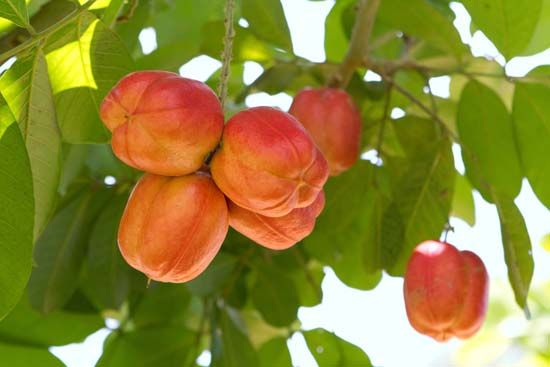
Many members are economically significant for their timber or edible fruits, such as lychee, longan, rambutan, and ackee. The family also includes:52
- Maples: The genus Acer, valued for maple syrup and timber.52
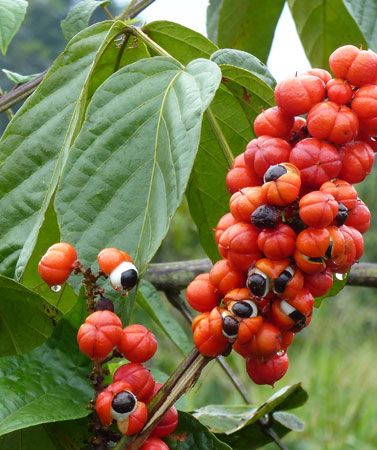
- Stimulants: Guarana, known for its high caffeine content.52
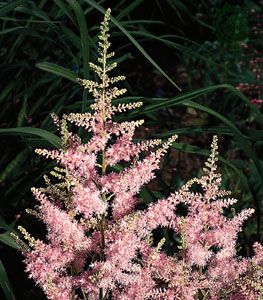
- Ornamentals: Species like the goldenrain tree and balloon vine.52
- Soap: The soapberry genus, which contains saponins used for cleaning.52
What types of plants are included in the Sapindaceae family?
The Sapindaceae family, commonly known as the soapberry family, is a diverse group of approximately 135 to 145 genera and 1,600 to 1,925 species. These plants are primarily distributed throughout tropical and subtropical regions and consist mainly of woody plants, including trees, shrubs, lianas, and some herbaceous vines.172
The family includes a wide variety of plants with significant economic and ornamental value:
- Edible Fruits: Notable examples include lychee, longan, rambutan, ackee, and Spanish limeackee), and Spanish lime.14
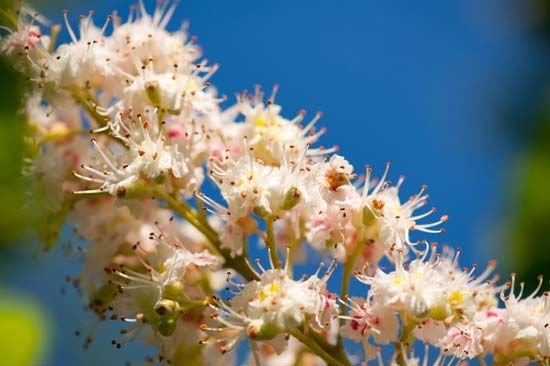
- Maples and Horse Chestnuts: Through modern classification, the previously separate families Aceraceae and Hippocastanaceae are now included within Sapindaceae. This includes the maple genus (Acer), such as the sugar maple, as well as horse chestnut and buckeye species (Aesculus).148
- Stimulants and Soaps: The family includes guarana, a source of caffeine, and the soapberry genus (Sapindus), which contains saponins used for cleaning.14
- Ornamentals: Popular garden plants include the goldenrain tree, balloon vine, and hopbush.14
Where are Sapindaceae plants usually found in the world?
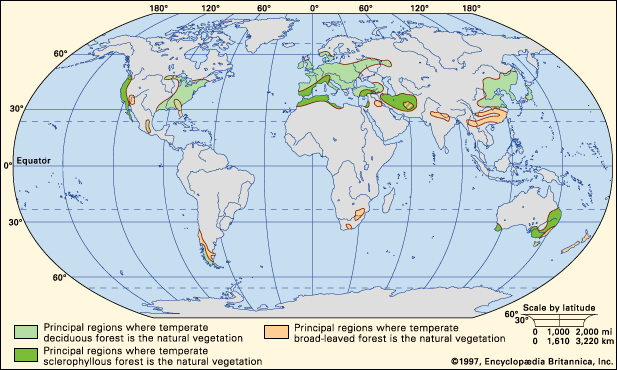
The Sapindaceae family, commonly known as the soapberry family, is primarily found in the tropical and subtropical regions of the world, with a particularly high abundance in the American tropics. While the family is most diverse in these warmer climates, its distribution extends globally, reaching as far north as Japan and as far south as New Zealand.59
The geographical presence of the family varies by genus:
- Tropical and Subtropical Species: Many genera, such as Serjania and Paullinia, are concentrated in the American tropics and subtropics, with Serjania showing a significant center of diversity in southeastern Brazil.59
- Temperate Species: Through the inclusion of the former Aceraceae and Hippocastanaceae families, the Sapindaceae family also encompasses species found in north temperate zones. For example, maple trees (Acer) are key components of deciduous forests across North America, Europe, and Asia, with China serving as a major center of distribution. Similarly, horse chestnuts and buckeyes (Aesculus) are found in temperate forests spanning North America, the Balkan Peninsula, and parts of Asia.59
What are some well-known plants or fruits that belong to the Sapindaceae family?
The Sapindaceae family, or soapberry family, is a diverse group of approximately 145 genera and 1,925 species that includes a wide variety of trees, shrubs, lianas, and vines. Many members are well known for their economic and ornamental value.17
Edible Fruits
Several species are widely cultivated for their edible fruits, which are often prized in tropical and subtropical regions:
- Lychee: A popular fruit native to Southeast Asia.15
- Longan: Closely related to the lychee.110
- Rambutan: Known for its distinctive appearance.110
- Ackee: The national fruit of Jamaica; it must be prepared carefully as it is poisonous if consumed at the wrong stage of ripeness.1710
- Spanish lime: Also known as mamoncillo.110
Trees and Ornamentals
Modern classification includes the former Aceraceae and Hippocastanaceae families within Sapindaceae, expanding the group to include:
- Maples: Including the sugar maple, valued for its timber and maple syrup.110
- Horse chestnuts and Buckeyes: Often grown as ornamental shade trees.110
- Goldenrain tree: Cultivated for its yellow flowers.110
- Balloon vine and Hopbush: Popular for their unique fruits and foliage.110
Other Notable Plants
Sources
- list of plants in the family Sapindaceae — Encyclopædia Britannica
- Sapindaceae — Merriam-Webster
- Sapindales — Encyclopædia Britannica
- Sapindales - Sapindaceae — Encyclopædia Britannica
- Sapindaceae — Encyclopædia Britannica
- Sapindales - Characteristic morphological features — Encyclopædia Britannica
- soapberry — Encyclopædia Britannica
- Sapindales - Evolution — Encyclopædia Britannica
- Sapindales - Distribution and abundance — Encyclopædia Britannica
- lychee — Encyclopædia Britannica
Published on · 4 min read