Palm
Palms play a vital role in tropical and subtropical ecosystems, contributing significantly to habitat structure and biodiversity. They inhabit diverse…
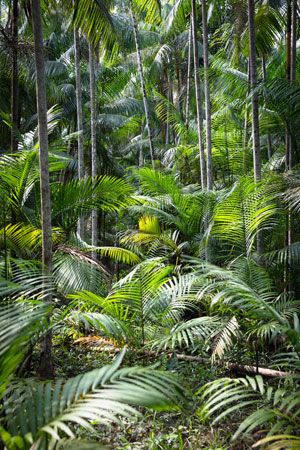
What role do palm trees play in various ecosystems and biodiversity?
Palms play a vital role in tropical and subtropical ecosystems, contributing significantly to habitat structure and biodiversity. They inhabit diverse environments, ranging from rainforests and mountain cloud forests to swamps, deserts, and coastal estuaries.1
Ecological Contributions
- Soil and Nutrient Cycling: Palms influence soil health through various mechanisms. Some species possess breathing roots that aerate waterlogged soils, while others, such as Orbignya cohune, contribute to soil profile development. Additionally, many palms accumulate leaf litter in their crowns, which traps nutrients and enhances soil fertility when recycled.1
- Pollination and Dispersal: While once thought to be primarily wind-pollinated, palms utilize a diverse array of mechanisms, including insects like bees, beetles, and flies, as well as bats. Their fruits are essential food sources for a wide range of animals, including elephants, bears, fish, and various birds, which in turn facilitate seed dispersal.1
- Community Structure: Palms can define the composition of forest communities. In some areas, they form dense, near-pure stands that dominate the landscape, while in others, they serve as critical understory components that influence forest regeneration and light availability.1
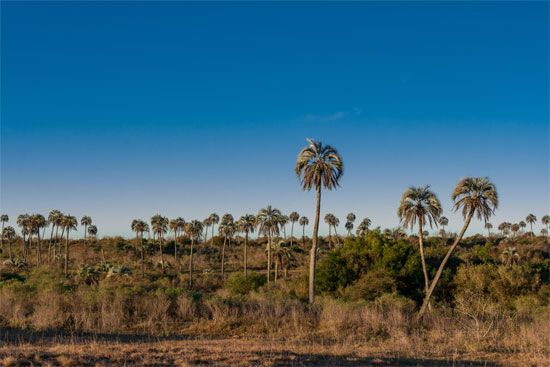
How do palm trees adapt to survive in different climates and environments?
Palms have evolved a variety of structural and physiological adaptations that allow them to thrive in environments ranging from tropical rainforests and mountain cloud forests to deserts and brackish swamps.1
Structural Adaptations
- Stem Construction: Unlike the solid woody cylinders of hardwood trees, palm stems consist of hundreds to thousands of conducting strands embedded in softer tissue. The outer region is composed of densely packed, hard fibers that provide significant structural integrity, allowing palms to withstand strong winds that might break other trees.4
- Root Systems: In waterlogged or swampy environments, many palms develop specialized “breathing roots” to aerate the plant in oxygen-poor soils. In general, swamp-dwelling trees often maintain shallow, wide-spreading root systems to provide stability against lateral stresses from water flow or wind, as deep roots are often hindered by the lack of oxygen in saturated soil.15
- Growth Patterns: Some species, such as Orbignya cohune, exhibit geotropic stems that bury themselves up to one meter deep during early development to establish a secure foundation. Others have adapted to specific niches, such as trailing along the ground or growing as high-climbing vines.14
Environmental Resilience
- Habitat Versatility: Palms occupy diverse ecological niches, including limestone outcrops, serpentine soils, and areas subject to periodic flooding. In arid regions like deserts or seashores, they survive by accessing underground water sources.1
- Nutrient Management: To survive in nutrient-limited or competitive environments, some palms accumulate leaf litter in their crowns, which traps nutrients and recycles them to enhance soil fertility.1
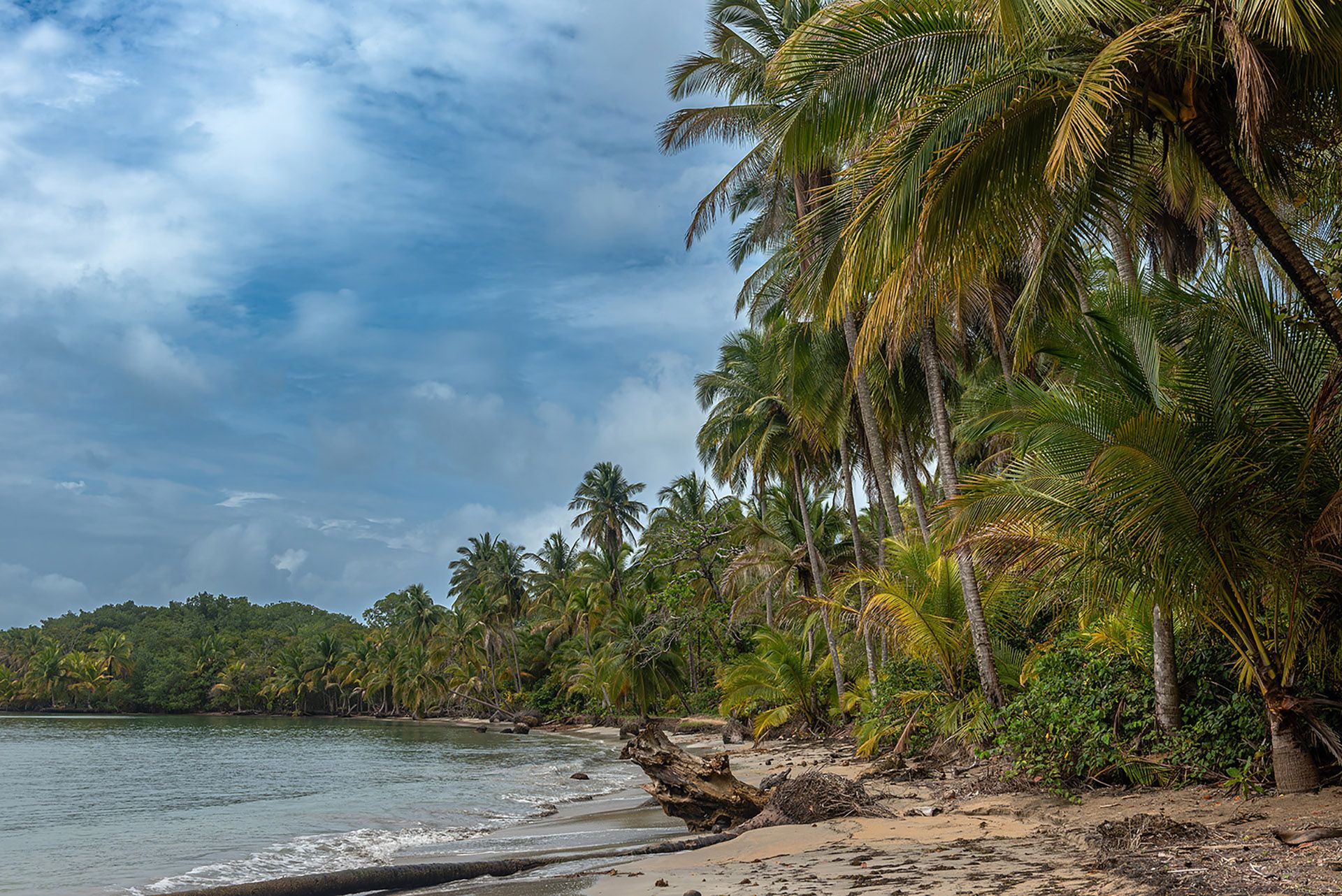
How many species of palm trees exist, and where are they primarily found?
There are more than 2,450 species of palms belonging to nearly 190 genera within the family Arecaceae (formerly known as Palmae).3
Geographic Distribution
Palms are primarily found in tropical and subtropical regions, generally between latitudes 30° N and 30° S, though their range extends to 44° N and 44° S. The primary centers of distribution include:6
- The Americas: Central and South America, particularly the rainforests of the Amazon basin and the Chocó region of Colombia, are among the richest areas for palm species.6
- Asia: From India to Japan, extending south to Australia and the islands of the Pacific and Indian oceans. Areas like Borneo and the Sunda Islands contain extraordinary numbers of species.6
- Africa and Madagascar: While a less significant region compared to the Americas and Asia, Madagascar is notable for its high level of endemism, with at least 14 genera found exclusively on the island.6
Most palm species have restricted ranges, and many island-dwelling species are endemic to specific locations.63
What are some of the most common uses of palm trees and their products?
Palm trees are among the most versatile plants on Earth, providing a vast array of products that support both local livelihoods and global commerce. Their utility spans food, industrial materials, and construction.
Food and Beverages
- Oils and Fats: The coconut and the African oil palm are primary sources of vegetable oils used in food preparation, margarine, and confectionery.7
- Fruits and Hearts: Date palms provide a staple fruit in many regions. Additionally, the “heart of palm”—the tender inner bud—is harvested as a vegetable from species like the acai palm and peach palm.78
- Beverages and Sugars: Tapping the flower stalks of various palms, such as the sugar, nipa, and toddy palms, yields sap that is consumed fresh, fermented into alcohol (toddy or wine), or processed into sugar and vinegar.79
Industrial and Domestic Materials
- Fibers: The husk of the coconut yields coir, a durable fiber used for ropes, mats, and brushes. Other palms provide materials for baskets, hats, hammocks, and the fiber known as piassava.7910
- Construction and Crafts: Palm trunks are used for furniture and building materials, while leaves are widely employed for thatching, weaving, and creating handicrafts.79
- Chemicals and Waxes: Palm oil is used in soaps, cosmetics, candles, and biofuels. Certain species, such as the carnauba wax palm, are sources of specialized waxes.7
It is important to note that the palm industry faces significant ethical challenges, including deforestation associated with large-scale oil palm plantations and the use of child labor in the harvesting of wild acai.78
Sources
- Palm - Ecology — Encyclopædia Britannica
- keystone species — Encyclopædia Britannica
- Palm - Distribution — Encyclopædia Britannica
- Swamp — Encyclopædia Britannica
- Palm - Trunks and stems — Encyclopædia Britannica
- Arecales — Encyclopædia Britannica
- Palm - Economic importance — Encyclopædia Britannica
- Coconut palm — Encyclopædia Britannica
- acai — Encyclopædia Britannica
- Leaf fiber — Encyclopædia Britannica
- palm fiber — Merriam-Webster
Published on · 4 min read
