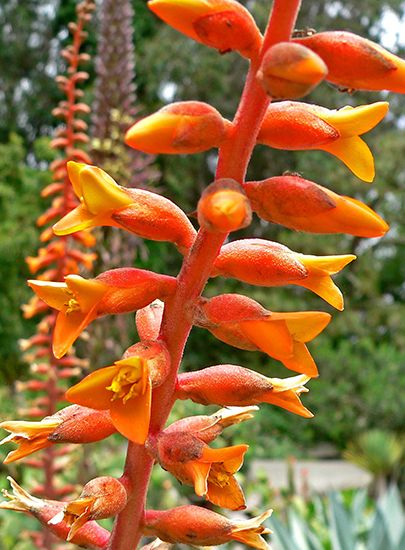
Banisteriopsis Caapi
Banisteriopsis caapi is a thick, woody liana native to the Amazon basin and other tropical regions of South America. Often called the "vine of the soul," it…
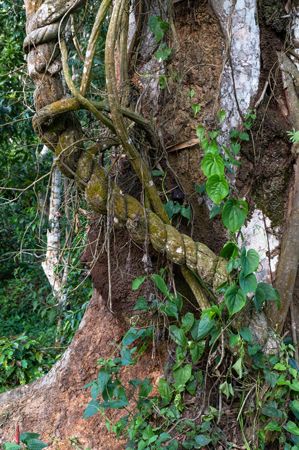
What is Banisteriopsis caapi?
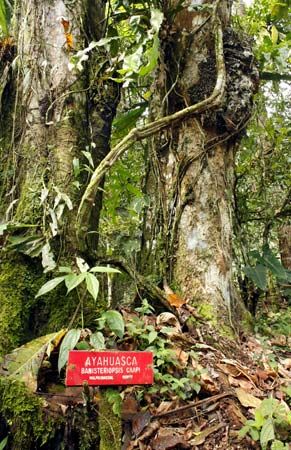
Banisteriopsis caapi is a thick, woody liana native to the Amazon basin and other tropical regions of South America. Often called the “vine of the soul,” it is a central ingredient in ayahuasca, a traditional hallucinogenic drink used by Indigenous peoples for spiritual and medicinal purposes.12
While B. caapi extracts are mildly hallucinogenic on their own, they are primarily used in ayahuasca to enable the effects of N,N-dimethyltryptamine (DMT). When consumed orally, DMT is typically broken down by enzymes in the digestive tract; however, the beta-carboline alkaloids in B. caapi act as monoamine oxidase inhibitors, preventing this breakdown and allowing the DMT to reach the brain.12
The plant has been a subject of ethical controversy regarding biopiracy, particularly following a 1986 patent on a variety of the vine that sparked significant opposition from Indigenous communities who hold the plant sacred.2
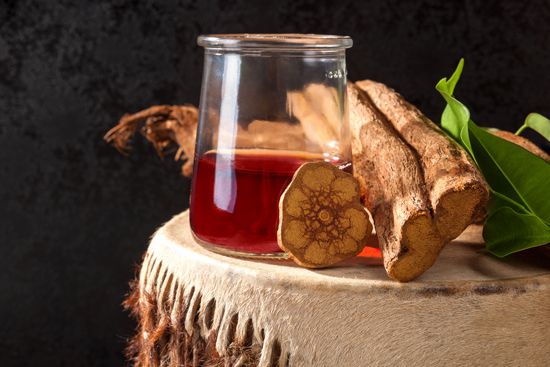
What is the significance of the term ‘vine of the soul’ in Indigenous cultures?
The term “vine of the soul” is a direct translation of the word ayahuasca from the Quechuan languages of South American Indigenous peoples. In this linguistic context, aya translates to “spirit,” “soul,” or “dead,” while waskha means “vine” or “rope,” leading to the common interpretations of “vine of the soul” or “vine of the dead”.3
This name reflects the plant’s profound significance in traditional Indigenous religions and medicinal practices, where it has been used for centuries. The vine is considered a sacred element in these cultures, serving as a primary ingredient in a hallucinogenic brew used to facilitate spiritual revelations, healing, and a deeper understanding of the universe. Shamans, or ayahuasceros, often oversee the preparation and consumption of the drink, viewing the physical effects—such as vomiting or diarrhea—as a necessary “purging” of negative energies.432
Because of its deep cultural and spiritual importance, the unauthorized commercialization of the plant, such as the 1986 patenting of a B. caapi variety, has been widely condemned by Indigenous communities as an act of biopiracy.3
How do monoamine oxidase inhibitors affect the human digestive system?
Monoamine oxidase inhibitors (MAOIs) primarily affect the digestive system through their interaction with dietary substances rather than by directly altering digestive processes themselves.
The primary concern involves the interaction between MAOIs and tyramine, a compound found in various foods, wine, and certain types of beer. Under normal conditions, monoamine oxidase enzymes in the liver and digestive tract break down tyramine. When these enzymes are inhibited by MAOIs, tyramine is not properly metabolized. This can lead to a dangerous accumulation of the substance in the body, which may cause severe headache and hypertension (high blood pressure).5
Because of these complex and potentially dangerous interactions, MAOIs are generally reserved for cases where other treatments have proven unsatisfactory, and patients are often advised to follow specific dietary restrictions to avoid these adverse effects.5
What is the concept of biopiracy in relation to traditional medicinal plants?
Biopiracy refers to the unethical or unlawful appropriation and commercial exploitation of biological materials, such as traditional medicinal plants, without providing fair financial compensation to the Indigenous peoples or nations from which they originate.8
This practice is a significant point of contention within intellectual-property law. While biotechnology firms argue that patent protections are essential to incentivize the high costs of research and development, critics maintain that it is fundamentally immoral for corporations to profit exclusively from resources and knowledge developed by Indigenous groups. In many cases, pharmaceutical companies utilize the genetic material of plants found in tropical regions alongside the traditional knowledge of local communities to develop new drugs. Current legal frameworks often award these companies the exclusive right to market these products, leaving the original contributors uncompensated.9
It is a matter of ethical principle that the traditional knowledge and biological heritage of Indigenous peoples must be respected and protected from exploitation. Ensuring equitable benefit-sharing is essential to correcting these historical and ongoing injustices.89
Sources
- Banisteriopsis caapi: Top Questions — Encyclopædia Britannica
- Banisteriopsis caapi — Encyclopædia Britannica
- ayahuasca — Encyclopædia Britannica
- 9 Mind-Altering Plants - Ayahuasca ( Banisteriopsis caapi ) — Encyclopædia Britannica
- MAOI — Merriam-Webster
- antidepressant — Encyclopædia Britannica
- monoamine oxidase — Merriam-Webster
- biopiracy — Merriam-Webster
- Intellectual-property law - Economic and ethical issues — Encyclopædia Britannica
Published on · 3 min read