Bay Islands
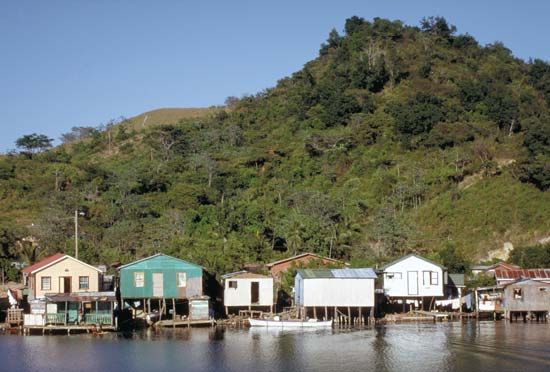
The Bay Islands, a group of islands including Utila, Roatán, and Guanaja, have a complex history defined by colonial competition. First sighted by…
How did the Bay Islands become part of Honduras, and what is their historical background?
The Bay Islands, a group of islands including Utila, Roatán, and Guanaja, have a complex history defined by colonial competition. First sighted by Christopher Columbus in 1502, the islands were settled by English buccaneers in 1642. For two centuries, between 1650 and 1850, control of the territory was intermittently contested by Spain, Honduras, and England.
During this period, the islands also served as a site for the forced relocation of Carib peoples from St. Vincent, who were deported to a penal colony on Roatán. The islands were formally annexed by Great Britain in 1852. However, this British rule was short-lived, as the islands were ceded to Honduras in 1859, establishing their current status as part of the Honduran nation.
What are the main islands that make up the Bay Islands of Honduras?
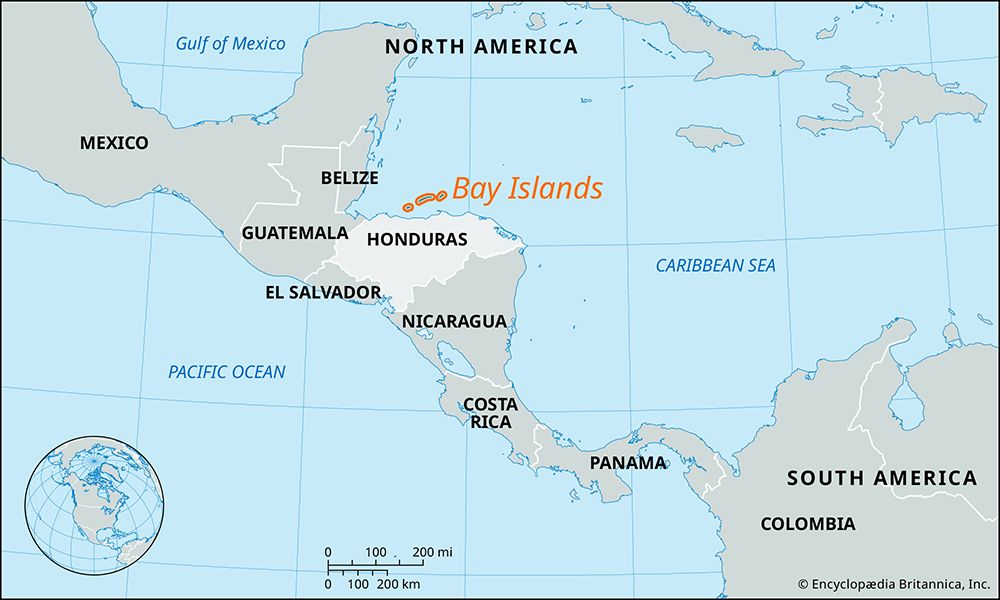
The Bay Islands of Honduras consist of three primary islands located approximately 35 miles (56 km) offshore in the Caribbean Sea:
- Utila
- Roatán
- Guanaja
Roatán is the largest of these islands and serves as the center of the region’s tourist trade and commercial activity, with its principal town, also known as Roatán (or Coxen’s Hole), acting as the chief settlement.13
What are the main economic activities and industries in the Bay Islands?
The economy of the Bay Islands is primarily driven by a combination of traditional agricultural and maritime activities alongside a robust tourism sector.
Traditional Industries
Historically, the islands have relied on a mix of farming and fishing. Key agricultural products include:
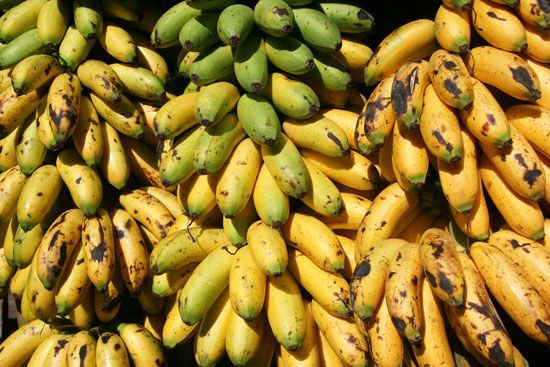
- Bananas
- Cassava
- Coconuts
- Sweet potatoes
- Livestock
Fishing remains a fundamental economic activity for the local population, continuing a long-standing tradition of utilizing the surrounding marine resources.1
Tourism
Since the late 1990s, tourism has become an increasingly vital component of the regional economy. The islands are a major destination for underwater diving, which serves as a primary draw for international visitors. Roatán functions as the central hub for this trade. In recent years, the broader Honduran economy has seen a significant surge in cruise tourism, with a large portion of the country’s 1.8 million cruise passengers arriving specifically through the Bay Islands.14
What languages are commonly spoken in the Bay Islands?
The primary languages spoken in the Bay Islands are English and Spanish.
Historically, the islands were settled by English buccaneers and later annexed by Great Britain, which established a population that was predominantly English-speaking and Protestant for many years. However, beginning in the late 20th century, there was a significant demographic shift as Spanish-speaking mainland Hondurans began settling on the islands in large numbers. Today, both languages are commonly used across the region.1
Sources
- Bay Islands — Encyclopædia Britannica
- The Bahamas - British colonization — Encyclopædia Britannica
- Roatán — Encyclopædia Britannica
- Honduras - The economy — Encyclopædia Britannica
- Maldives - Agriculture, forestry, and fishing — Encyclopædia Britannica
- Barbados - Agriculture and fishing — Encyclopædia Britannica
- The Bahamas - Economy of the The Bahamas — Encyclopædia Britannica
- The Bahamas - Agriculture and fishing — Encyclopædia Britannica
- The Bahamas: Country Facts — Encyclopædia Britannica
Published on · 2 min read