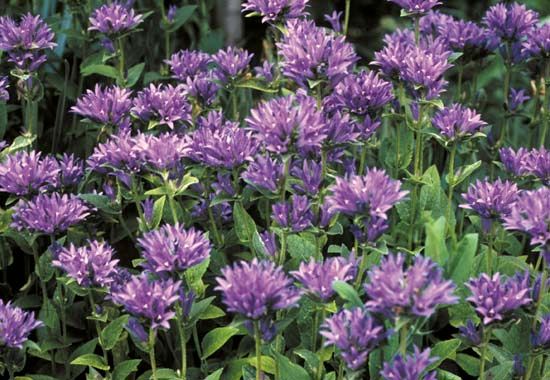
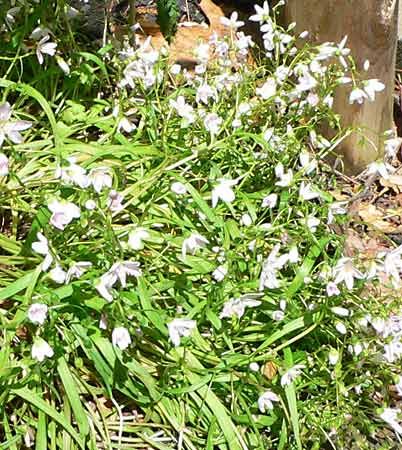
Bellflower
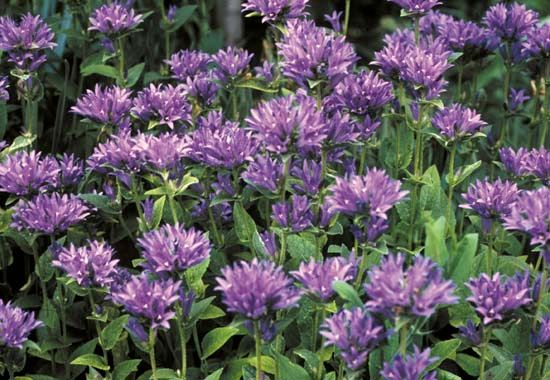
The term "bellflower" typically refers to the genus Campanula, which contains approximately 400 to 420 species of annual, perennial, and biennial herbs.…
How many species of bellflowers are there, and what are some popular varieties?
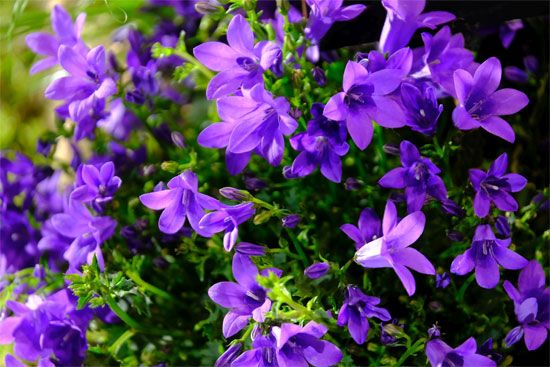
The term “bellflower” typically refers to the genus Campanula, which contains approximately 400 to 420 species of annual, perennial, and biennial herbs. These plants belong to the larger Campanulaceae family, which encompasses about 2,400 species across 84 genera.123
Many Campanula species are popular garden ornamentals. Notable varieties include:
- Tall bellflower (C. americana): Features tall flowering spikes reaching up to 2 meters.1
- Tussock bellflower (C. carpatica): Known for its lavender to white, bowl-shaped flowers.1
- Canterbury bell (C. medium): A biennial producing large pink, blue, or white spikes.1
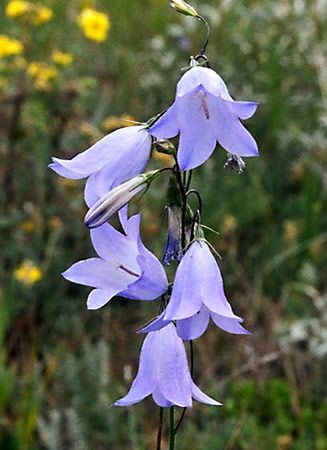
- Peach-leaved bellflower (C. persicifolia): Produces slender-stemmed spikes of outward-facing bells.1
- Fairy thimbles (C. cochleariifolia): A mat-forming species with nodding blue to white bells.1
- Bethlehem stars (C. isophylla): A trailing species often grown in pots.1
Other cultivated species include the clustered bellflower (C. glomerata), milky bellflower (C. lactiflora), and the giant bellflower (Ostrowskia magnifica).12
How long do bellflower plants typically live, and do they come back every year?
The lifespan of a bellflower depends entirely on its specific species, as the genus Campanula includes annual, biennial, and perennial varieties.1
- Annuals: These complete their entire life cycle—from germination to seed production—within a single growing season and then die.16
- Biennials: These live for two growing seasons. During the first year, they focus on vegetative growth, such as roots and leaves. In the second year, they produce flowers and seeds before dying.16
- Perennials: These are the varieties that “come back” every year. They persist for several years, typically surviving the winter through underground structures like roots or rhizomes. While their aboveground growth may die back in the autumn, they produce new herbaceous growth each spring.17
Because the genus contains such a wide variety of life cycles, it is important to check the specific type of bellflower you are planting if you want to ensure it returns in subsequent years.
Are there any bellflower species that are considered invasive or endangered?
Within the genus Campanula, certain species have gained a reputation for being aggressive or problematic when introduced outside of their native ranges. Specifically, the creeping bellflower (Campanula rapunculoides) is a European native that has become naturalized in North America and is widely considered a notorious garden weed due to its spreading rhizomes. Similarly, the throatwort (C. trachelium), another Eurasian species, has also become naturalized in North America.15
Regarding endangered status, the provided search results do not contain specific information identifying individual bellflower species as endangered. While the genus is vast, with over 400 species, the focus of the available data is primarily on their classification, ornamental cultivation, and status as garden weeds.15
Where are bellflowers typically found in nature?
Bellflowers (genus Campanula) are primarily native to northern temperate regions, Mediterranean areas, and tropical mountains. Because the genus includes approximately 420 species, their natural habitats vary significantly depending on the specific plant:1
- Woodlands and Meadows: Many species, such as the American bellflower (Campanula americana), thrive in the moist woodlands of North America. Similarly, the peach-leaved bellflower (C. persicifolia) and the tussock bellflower (C. carpatica) are commonly found in Eurasian meadows and woodlands.1
- Alpine Environments: Some species are adapted to high-altitude conditions. For example, the fairy thimbles (C. cochleariifolia) are known for forming mats on alpine screes, which are rocky slopes found in mountainous regions.1
- Regional Diversity: While many species are native to Europe, Asia, and North America, some, like the rampion (C. rapunculus), are native to both Eurasia and North Africa.1
Sources
- Bellflower — Encyclopædia Britannica
- Campanulaceae — Encyclopædia Britannica
- Campanulaceae — Merriam-Webster
- Campanulales — Merriam-Webster
- Asterales - Campanulaceae — Encyclopædia Britannica
- Biennial — Encyclopædia Britannica
- Perennial — Encyclopædia Britannica
- alpine cress — Merriam-Webster
Published on · 3 min read